
Complete Guide to Protein Source for Dogs
More than 60 percent of a dog’s dry body mass is made up of protein, yet not all protein sources deliver the same health benefits. The right nutrition can mean the difference between vibrant energy and ongoing discomfort for your pet. Whether you are choosing food for a growing puppy or a senior companion, knowing which protein types support muscle, digestion, and allergy prevention will help you nourish your dog at every stage.
Table of Contents
- Understanding Protein Sources for Dogs
- Types of Animal and Plant Proteins
- Benefits of High-Quality Dog Protein
- Identifying Allergies and Sensitivities
- Selecting Grain-Free and Hypoallergenic Options
Key Takeaways
| Point | Details |
|---|---|
| Importance of Protein | Protein is crucial for dogs, supporting muscle development, tissue repair, and overall metabolic function. |
| Quality of Protein Sources | High-quality animal proteins are complete and easily digestible, while plant proteins can provide additional nutrients but may be less complete. |
| Recognizing Allergies | Common symptoms of protein allergies in dogs include skin irritations, digestive issues, and ear infections; identifying specific triggers is essential. |
| Selecting Diets for Sensitivities | Choose limited ingredient, novel protein, and single protein formulations to manage dietary intolerances effectively. |
Understanding Protein Sources for Dogs
Protein represents the fundamental building block of nutrition for dogs, providing essential amino acids crucial for muscle development, tissue repair, and overall metabolic function. According to research from the University of Nottingham, canine protein metabolism involves complex biochemical processes that require specific amino acid compositions to support optimal health.
Dogs, being omnivorous animals, can derive protein from multiple sources, including animal-based proteins and plant-based proteins. As highlighted in studies from Cardiff University, protein consumption varies significantly among dogs, influenced by factors such as breed, age, activity level, and individual metabolic requirements. The quality and digestibility of protein sources play a critical role in determining nutritional value.

The primary protein sources for dogs typically include:
- Meat proteins: Chicken, beef, lamb, fish
- Organ meats: Liver, kidney, heart
- Eggs: Complete protein with high biological value
- Dairy: Certain low-lactose options like cottage cheese
- Plant proteins: Legumes, peas, some grains (in limited quantities)
Our carefully prepared dog food contains freshly prepared meat or fish, gently cooked at 82°C to preserve nutrients and ensure maximum protein bioavailability. By including human-grade ingredients and prebiotic compounds MOS and FOS, we support not just protein intake but overall digestive health.
Selecting the right protein source requires understanding your dog’s specific nutritional needs. Understanding Single Protein Dog Foods can provide deeper insights into tailoring protein intake for different breeds and life stages.
Types of Animal and Plant Proteins
Protein sources for dogs can be categorised into animal-based proteins and plant-based proteins, each offering unique nutritional profiles and benefits. According to research from the Natural History Museum, emerging plant-based protein sources like quinoa and amaranth demonstrate significant potential as alternative protein options for both human and animal nutrition.
Animal proteins remain the gold standard for dog nutrition, providing complete amino acid profiles that are more readily digestible compared to plant proteins. These sources include:
- Red meats: Beef, lamb
- Poultry: Chicken, turkey
- Fish: Salmon, whitefish
- Organ meats: Liver, heart
- Eggs: Highly bioavailable protein source
Plant proteins, while not as complete, can still contribute valuable nutrients. University of Warwick researchers have highlighted the potential of novel plant protein sources in creating balanced nutritional profiles. Common plant-based proteins for dogs include:
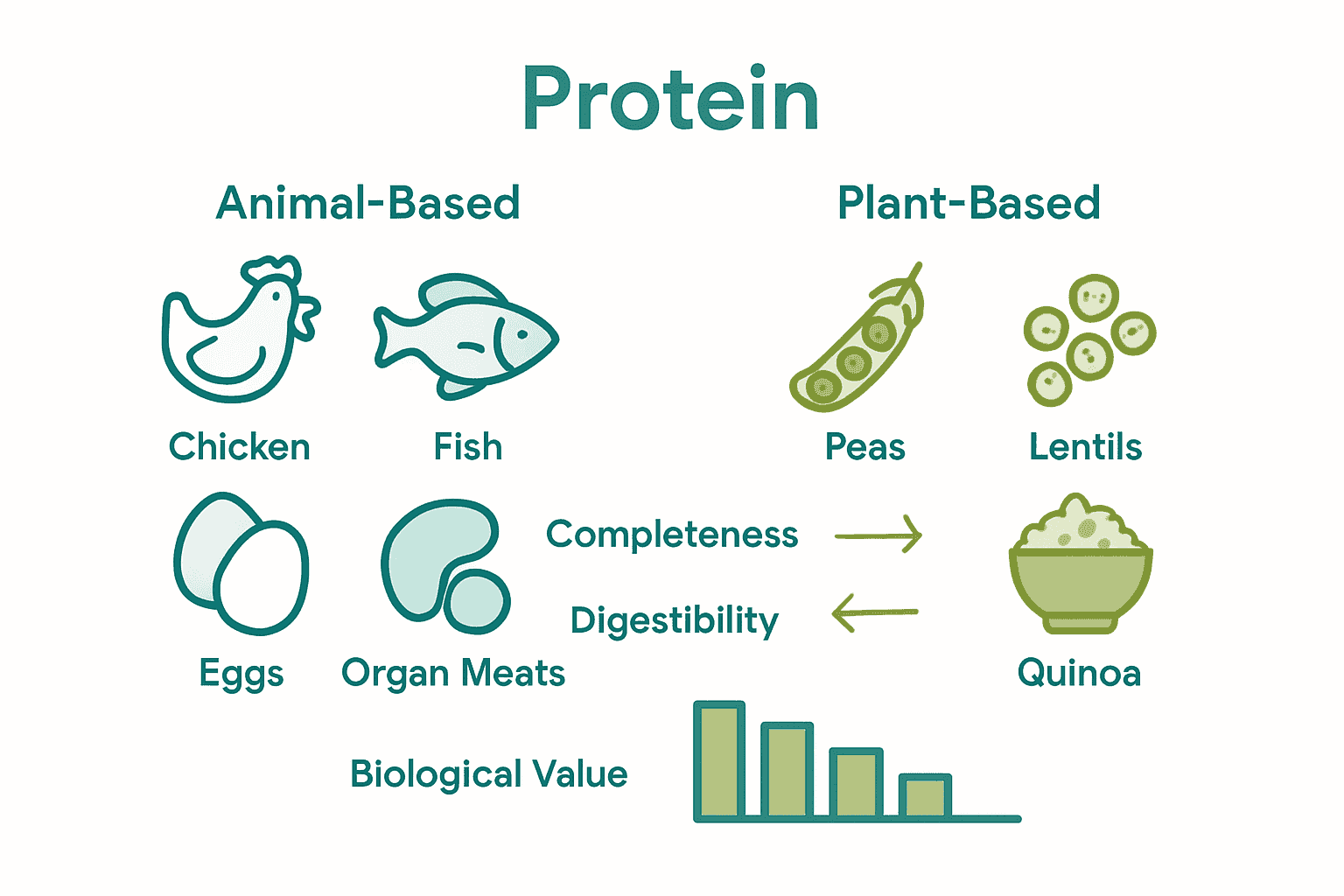
- Legumes: Peas, lentils
- Grains: Brown rice, quinoa
- Seeds: Chia, flaxseed
Our carefully prepared dog food incorporates freshly prepared meat proteins, gentle-cooked at 82°C to preserve essential nutrients. By combining high-quality animal proteins with strategically selected plant proteins and prebiotic compounds like MOS and FOS, we ensure a comprehensive nutritional approach. Understanding Common Dog Food Ingredients can provide additional insights into creating balanced protein sources for optimal canine health.
Benefits of High-Quality Dog Protein
High-quality protein is fundamental to a dog’s overall health and development, serving as a critical component for numerous physiological processes.
VIDEO:video_content] According to research from the [University of Nottingham, protein metabolism in dogs involves complex biochemical mechanisms that require precise amino acid compositions to support optimal growth, muscle maintenance, and metabolic functions.
The benefits of high-quality protein for dogs are extensive and multifaceted:
- Muscle Development: Supports lean muscle mass and strength
- Immune System Support: Helps build and repair critical immune cells
- Energy Production: Provides essential amino acids for metabolic processes
- Hormone and Enzyme Synthesis: Crucial for maintaining bodily functions
- Skin and Coat Health: Promotes healthy, lustrous coat and skin condition
Under European nutritional guidelines UK Legislation, high-quality protein sources are recognized as essential for meeting particular nutritional requirements in dogs. The protein quality is determined by its amino acid profile, digestibility, and biological value. Proteins with complete amino acid profiles from sources like fresh meat, fish, and eggs provide the most comprehensive nutritional benefits.
Our carefully prepared dog food contains freshly prepared meat or fish, gently cooked at 82°C to preserve essential nutrients. We strategically combine high-quality animal proteins with select plant proteins and prebiotic compounds MOS and FOS to ensure a holistic approach to canine nutrition. For those interested in understanding more about optimal dog nutrition, Understanding Dog Food for Active Dogs offers additional insights into supporting your dog’s health through targeted nutrition.
Identifying Allergies and Sensitivities
Protein allergies and sensitivities in dogs can significantly impact their overall health and quality of life, manifesting through various complex physiological responses. According to UK Legislation, managing dietary sensitivities requires carefully selected and limited protein sources to minimize potential adverse reactions.
Common signs of protein-related allergies in dogs include:
- Skin Irritations: Persistent itching, rashes, or hot spots
- Digestive Issues: Vomiting, diarrhoea, or frequent stomach upset
- Ear Infections: Recurring ear inflammation or excessive ear wax
- Coat Changes: Dull or brittle fur
- Respiratory Problems: Unexpected coughing or wheezing
Research from the University of Nottingham emphasizes the critical nature of identifying specific nutrient sensitivities to ensure proper metabolic function. Dogs can develop allergies to various protein sources, with common triggers including:
- Beef
- Chicken
- Dairy products
- Eggs
- Specific fish varieties
Our carefully prepared dog food contains freshly prepared meat or fish, gently cooked at 82°C to preserve essential nutrients. We strategically use limited protein sources and include prebiotic compounds MOS and FOS to support digestive health. Understanding the Best Dog Food for Sensitive Dogs can provide additional guidance for pet owners navigating protein-related dietary challenges.
Selecting Grain-Free and Hypoallergenic Options
Navigating the world of hypoallergenic and grain-free dog nutrition requires a nuanced understanding of canine dietary needs and potential sensitivities. According to UK Legislation, managing dietary intolerances demands carefully selected ingredients that minimize potential adverse reactions while maintaining comprehensive nutritional profiles.
Key considerations for selecting hypoallergenic protein sources include:
- Limited Ingredient Diets: Reducing potential allergen exposure
- Novel Protein Sources: Introducing less common protein varieties
- Single Protein Formulations: Simplifying ingredient tracking
- Elimination Diet Approaches: Identifying specific trigger ingredients
- Molecular Protein Processing: Ensuring easier digestibility
Research from the University of Nottingham emphasizes the importance of precise nutrient absorption and metabolic function when managing canine dietary sensitivities. Hypoallergenic options typically focus on:
- Protein Hydrolysis: Breaking down protein molecules
- Alternative Protein Sources: Lamb, duck, fish, venison
- Removing Common Allergens: Wheat, soy, dairy
Our carefully prepared dog food contains freshly prepared meat or fish, gently cooked at 82°C to preserve essential nutrients. We strategically combine limited protein sources with prebiotic compounds MOS and FOS to support digestive health. Complete Guide to Hypoallergenic Dog Diets offers additional insights for pet owners seeking specialized nutritional solutions.
Discover the Perfect Protein Blend for Your Dog’s Health
Choosing the right protein source is vital for your dog’s well-being. Many dog owners face challenges such as allergies, sensitivities, or the need for balanced nutrition tailored to their pet’s breed and life stage. This guide highlights the importance of high-quality animal and plant proteins, gently prepared to retain essential nutrients and combined with prebiotic compounds like MOS and FOS for optimal digestion.
Take control of your dog’s nutrition today by exploring our freshly prepared foods designed for every stage of life. Whether you have a growing puppy or a small breed needing grain-free options, you can find the perfect match at Try Our Grain Free Puppy Food - Optimal Health & Nutrition or Small Breed Grain Free Dog Food | Freshly Prepared & Natural – Ultimate Pet Foods.
Give your dog the nutrition they deserve with quality ingredients you can trust. Visit Ultimate Pet Foods now for premium grain-free options backed by science and crafted for health. Don’t wait to support your dog’s muscle development, immune system, and digestion with the perfect protein source.
Frequently Asked Questions
What are the best protein sources for dogs?
The best protein sources for dogs include animal-based proteins such as chicken, beef, lamb, fish, and organ meats like liver and heart. Eggs and certain low-lactose dairy options also provide quality protein.
How can I identify protein allergies in my dog?
Common signs of protein allergies in dogs include skin irritations, digestive issues like vomiting or diarrhea, ear infections, coat changes, and respiratory problems.
What are the benefits of high-quality protein for dogs?
High-quality protein supports muscle development, immune system function, energy production, hormone and enzyme synthesis, and promotes healthy skin and coat.
Should I consider grain-free or hypoallergenic dog food options?
Yes, grain-free or hypoallergenic options may be suitable for dogs with dietary sensitivities or allergies. These diets often feature limited ingredient lists, novel protein sources, and simplified formulations to reduce allergen exposure.
Recommended
- Understanding Single Protein Dog Foods: A Comprehensive Guide – Ultimate Pet Foods
- How to Read Dog Food Ingredients: Make Informed Choices – Ultimate Pet Foods
- What Ingredients to Avoid in Dog Food for Healthier Pups – Ultimate Pet Foods
- Understanding Common Dog Food Ingredients for Healthier Pups – Ultimate Pet Foods
- Complete Guide to Why Protein Matters – Nutribliss Inc.
- Best Protein Treatment for Natural Hair in 2025: Growth & Care | MyHair