
How to Exercise with Your Dog Naturally for Healthier Pets
Over half of british households now share their lives with a dog, yet many owners overlook how breed and health play a role in safe exercise. Tailoring an activity plan is much more complex than just daily walks. With nearly forty percent of dogs at risk for obesity or joint issues, it is vital to match routines and nutrition to each dog’s unique needs. This guide gives you practical steps for building a healthier, happier life for your companion.
Table of Contents
- Stage 1: Assess Your Dog’s Breed And Health Needs
- Stage 2: Select Suitable Natural Exercise Routines
- Stage 3: Prepare Safe Environments And Essential Gear
- Stage 4: Incorporate Nutrition For Optimal Performance
- Stage 5: Monitor Progress And Adjust Routines
Quick Summary
| Key Message | Explanation |
|---|---|
| 1. Assess breed-specific exercise needs | Evaluate your dog’s breed and health to tailor exercise plans that suit their unique physical characteristics. |
| 2. Introduce varied exercise routines | Ensure daily exercise balance with different activities like walking, swimming, or games to meet your dog’s needs. |
| 3. Maintain a safe exercise environment | Regularly check exercise areas for hazards and use appropriate gear to create a safe space during physical activities. |
| 4. Focus on nutrition for performance | Develop a nutrition plan that supports exercise, emphasising quality proteins and appropriate calories for energy and recovery. |
| 5. Monitor progress and adapt plans | Keep track of your dog’s health indicators and exercise response, adjusting routines as needed for optimal well-being. |
Stage 1: Assess your dog’s breed and health needs
Understanding your dog’s unique physical characteristics and specific health requirements is crucial before embarking on any exercise programme. According to RSPCA, comprehensive health assessment involves examining multiple aspects of your dog’s physical structure to ensure safe and appropriate exercise.
Begin by conducting a thorough evaluation of your dog’s physical features. Check your dog’s nose, eyes, ears, mouth, back, legs, coat, and overall body condition. Some breeds have specific anatomical characteristics that might limit their exercise capacity. For instance, brachycephalic breeds with shortened snouts like pugs or bulldogs may struggle with intense cardiovascular activities and require gentler exercise routines. The RSPCA recommends choosing exercise activities that complement your dog’s natural physical capabilities while avoiding movements that might strain their unique body structure.
Consult with a veterinary professional who can provide personalised advice about your specific dog’s exercise needs. They can help you understand potential breed specific health considerations, recommend appropriate activity levels, and design a tailored exercise programme that supports your dog’s overall wellbeing. Remember that every dog is an individual, and what works for one might not be suitable for another, even within the same breed.
Our recommended Understanding Holistic Dog Nutrition for Healthier Pets guide can provide additional insights into supporting your dog’s health through comprehensive care.
Stage 2: Select suitable natural exercise routines
Designing an appropriate exercise programme for your dog requires understanding their unique physical capabilities and energy levels. According to Cambridge University, dogs benefit significantly from consistent physical activity, with recommended daily exercise ranging from 30 minutes for less active breeds to two hours for working dogs.
Natural exercise routines should match your dog’s breed, age, and health status. Walking remains the most fundamental activity, but variety keeps exercise engaging. Incorporate activities like gentle fetch, exploring nature trails, swimming for low impact movement, and interactive games that stimulate both body and mind. The RSPCA emphasises providing dogs with daily opportunities for physical activity to maintain optimal health and prevent potential medical complications.
Pay close attention to your dog’s response during exercise.
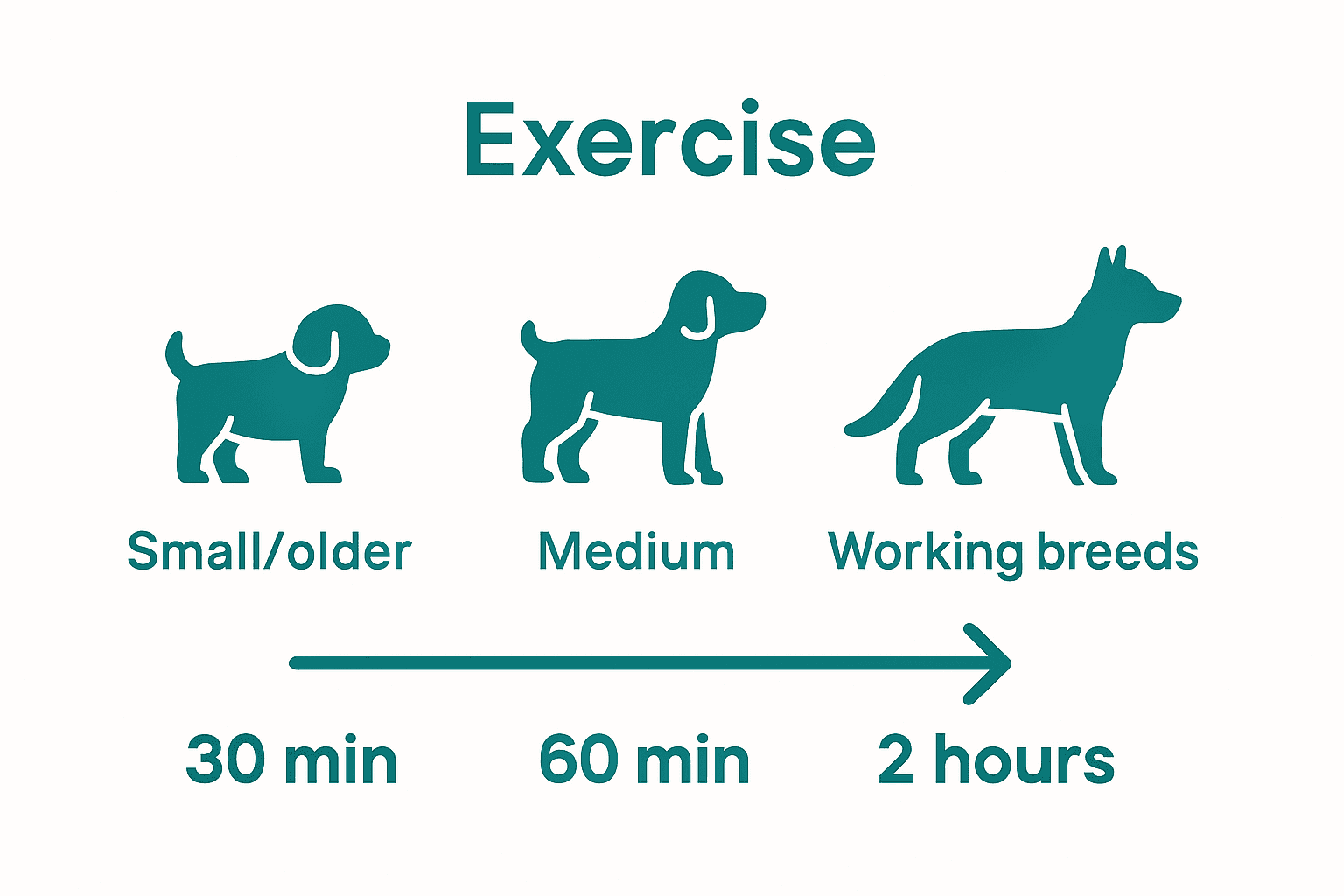 Start with shorter sessions and gradually increase duration and intensity. Watch for signs of fatigue, overheating, or discomfort. Older dogs, puppies, and breeds with specific health challenges might require modified routines. Always consult your veterinarian to design a personalised exercise plan that keeps your furry companion healthy and happy.
For additional insights into supporting your dog’s nutritional needs during increased activity, explore our 7 Expert Tips for Choosing Healthy Food for Small Dogs guide.
Stage 3: Prepare safe environments and essential gear
Creating a safe and supportive environment is fundamental to successful dog exercise routines. According to the RSPCA, dogs require a comfortable and secure space that allows them to rest, retreat, and feel protected during and after physical activities.
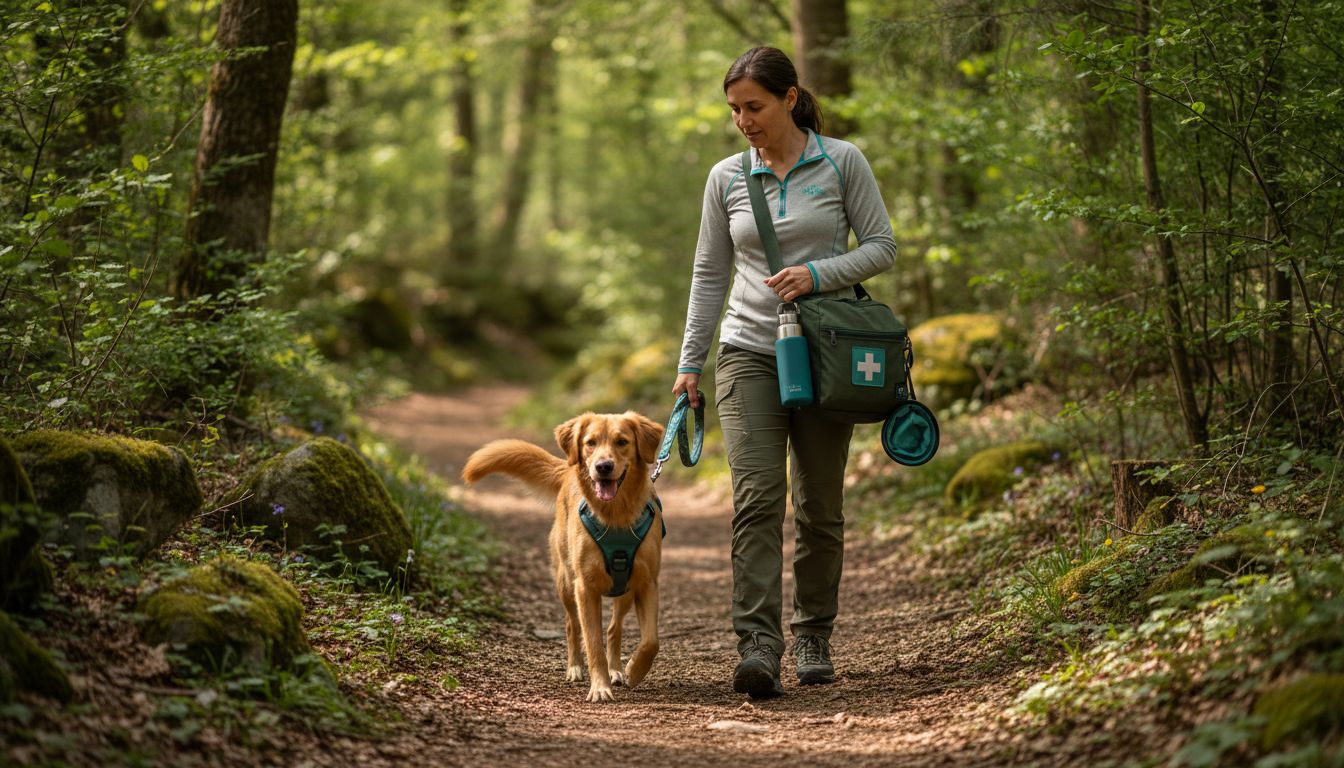
Start by conducting a thorough assessment of your exercise areas. Remove potential hazards such as sharp objects, toxic plants, or unstable surfaces that could cause injury. Essential gear should include a well fitted harness, sturdy leash, portable water container, collapsible water bowl, and appropriate protective clothing depending on weather conditions. The RSPCA recommends maintaining daily health checks and ensuring all exercise equipment is in excellent condition to prevent potential accidents.
Additionally, consider your dog’s individual needs when preparing exercise environments. Some dogs might require extra padding for joints, cooling vests for hot weather, or protective booties for rough terrain. Always have a first aid kit specifically designed for dogs, and familiarise yourself with basic canine first aid techniques. Pay attention to your dog’s body language and be prepared to modify your environment or equipment if they show signs of discomfort or stress.
For comprehensive insights into supporting your dog’s overall health during active lifestyles, explore our 7 Expert Tips for Choosing Healthy Food for Small Dogs guide.
Stage 4: Incorporate nutrition for optimal performance
Nutrition plays a critical role in supporting your dog’s exercise performance and overall health. Research from the University of Cambridge emphasises that exercise alone is insufficient for maintaining optimal fitness, highlighting the essential need for carefully managed dietary support alongside physical activity.
Design a nutrition plan that complements your dog’s exercise routine by focusing on high quality protein sources, balanced macronutrients, and appropriate calorie intake. University of Birmingham research suggests that while genetic factors influence metabolism, a strategic diet and exercise regime can effectively manage weight and support performance. Consider factors such as age, breed, activity level, and individual metabolic needs when selecting nutritional components.
Pay special attention to pre and post exercise nutrition.
Provide easily digestible proteins for muscle recovery, complex carbohydrates for sustained energy, and adequate hydration. Monitor your dog’s body condition, energy levels, and performance, adjusting nutritional intake accordingly. Consult with a veterinary nutritionist to develop a personalised feeding strategy that supports your dog’s specific exercise goals and overall wellbeing.
For more detailed guidance on supporting active dogs through nutrition, explore our Understanding Dog Food for Active Dogs: Nutrition Explained article.
Stage 5: Monitor progress and adjust routines
Successful dog exercise programmes require consistent observation and strategic adaptation. According to the RSPCA, daily health checks are fundamental to identifying potential issues and ensuring your dog remains in optimal condition throughout their fitness journey.
Establish a comprehensive monitoring system that tracks multiple aspects of your dog’s physical and mental wellbeing. Record key metrics such as weight, body condition, energy levels, muscle tone, and recovery time after exercise. The RSPCA Political Animal recommends maintaining a detailed log of behavioral changes, which can provide early insights into your dog’s physical and emotional responses to the exercise routine.
Remain flexible and attentive to your dog’s individual needs. Some dogs may require more frequent rest periods, while others might need increased intensity to maintain engagement. Watch for signs of fatigue, reluctance to exercise, or changes in overall enthusiasm. Consult with your veterinarian regularly to validate your observations and make informed adjustments to your exercise and nutrition programme.
For additional support in maintaining your dog’s health during active lifestyles, explore our How to Boost Dog Immunity Naturally for Optimal Health article.
Enhance Your Dog’s Natural Exercise with Tailored Nutrition
Exercising naturally with your dog creates real opportunities to strengthen your bond and support their health. However it can be challenging to balance physical activity with the right nutrition and care to keep your dog energised and thriving. This article highlights the importance of personalised exercise routines combined with mindful nutrition to match your dog’s unique breed, age and health status.

Boost your dog’s vitality by exploring our range at collections – Ultimate Pet Foods. Each product is crafted to complement active lifestyles with fresh high quality ingredients promoting better energy levels and recovery. Whether you have a senior dog needing gentle support or a breed requiring specialised care discover solutions designed to enhance natural exercise benefits. Visit Ultimate Pet Foods homepage today and make the first step towards healthier happier walks. Don’t wait your dog deserves fuel that matches their natural zest and wellbeing needs.
Frequently Asked Questions
How can I assess my dog’s breed and health needs before starting an exercise programme?
Start by evaluating your dog’s physical features, including their nose, eyes, ears, and body condition. Consult a veterinary professional for personalised advice and to ensure the exercise programme aligns with your dog’s unique health requirements.
What are some suitable natural exercise routines for different dog breeds?
Natural exercise routines vary based on your dog’s breed, age, and health status. Incorporate walking, gentle fetch, and swimming, adjusting the activities to ensure they are engaging and safe for your dog.
How do I prepare a safe environment for exercising with my dog?
Remove potential hazards from your exercise areas, such as sharp objects or toxic plants, and ensure the space is comfortable. Equip yourself with essential gear like a well-fitted harness and portable water containers to facilitate safe and enjoyable workouts.
What nutritional considerations should I keep in mind while exercising with my dog?
Focus on high-quality protein, balanced macronutrients, and proper hydration to support your dog’s exercise performance. Tailor their diet according to their exercise routine, and consider offering easily digestible foods before and after exercise to aid recovery.
How can I effectively monitor my dog’s progress and adjust their exercise routine?
Track your dog’s weight, energy levels, and muscle tone to identify when adjustments are needed. Regularly review this data, and consult with a veterinarian if you notice signs of fatigue or reluctance to exercise, ensuring a healthy ongoing programme.
What signs indicate my dog may need a modified exercise routine?
Look for signs of fatigue, reluctance to engage in physical activity, or changes in enthusiasm during exercise. If you notice these signs, adjust their routine to include more frequent breaks or less intense activities to better suit their needs.
Recommended
- How to Boost Dog Immunity Naturally for Optimal Health
- 7 Expert Tips for Choosing Healthy Food for Small Dogs
- 7 Fun Games for Dogs at Home to Boost Health and Bonding – Ultimate Pet Foods
- 7 Natural Dog Food Tips for a Shiny, Healthy Coat
- Lifestyle Changes for Health: Complete Guide - Dietium
- Building Healthy Habits Naturally: A Step-by-Step Guide – naturessoulshop