
7 Smart Ways to Use Eco Friendly Pet Food Packaging
Did you know that pet food packaging accounts for millions of tonnes of waste every year? Many dog owners are searching for ways to feed their pets without harming the environment. Choosing eco friendly packaging is one simple change with lasting impact. Discover how your everyday decisions, from selecting compostable bags to reusing containers, can make a measurable difference for the planet and your best friend.
Quick Summary
| Takeaway | Explanation |
|---|---|
| 1. Choose compostable dog food bags | Opt for bags that break down naturally, decreasing plastic waste significantly. |
| 2. Select recyclable paper packaging | Paper and cardboard can be easily recycled, supporting circular economy and reducing landfill waste. |
| 3. Support refillable or bulk options | Reduce packaging waste by buying from brands that offer refillable containers or bulk food options. |
| 4. Look for eco certifications | Certifications signal environmentally friendly practices; ensure packaging meets standards like EN13432 for compostability. |
| 5. Properly dispose of packaging | Clean and prepare recyclable materials according to local guidelines to maximize recycling effectiveness. |
Table of Contents
- Choose Compostable And Biodegradable Dog Food Bags
- Opt For Recyclable Paper And Cardboard Packaging
- Support Brands Using Refillable Or Bulk Options
- Check For Minimal And Plastic-Free Packaging Materials
- Reuse And Repurpose Pet Food Containers At Home
- Look For Clear Eco Certification And Labeling
- Properly Dispose Of Pet Food Packaging Waste
1. Choose Compostable and Biodegradable Dog Food Bags
Making environmentally conscious choices starts with something as simple as your dog food packaging. Compostable and biodegradable dog food bags represent a powerful way to reduce plastic waste and support ecological sustainability.
Traditional pet food packaging contributes significantly to environmental pollution, with millions of plastic bags ending up in landfills every year. By switching to compostable alternatives, you can dramatically decrease your carbon footprint. According to research from sustainable packaging experts, plant-based bags like those made from corn starch or sugar can fully decompose within 3 to 6 months under home composting conditions.
Key benefits of choosing compostable dog food bags include:
- Reduced environmental impact
- Zero microplastic generation
- Complete biodegradation into organic matter
- Supporting sustainable packaging innovations
When selecting compostable bags, look for certifications like EN13432 and TÜV standards. These ensure the packaging meets strict environmental decomposition requirements. Our guide on sustainable pet nutrition can help you understand how packaging choices connect to broader ecological responsibility.
Implementing this eco-friendly approach is straightforward. Start by researching brands offering certified compostable packaging, check their decomposition timelines, and verify their environmental credentials. Remember that every small choice contributes to larger environmental preservation efforts.
2. Opt for Recyclable Paper and Cardboard Packaging
Paper and cardboard packaging represent an excellent eco friendly solution for dog food packaging, offering a sustainable alternative that supports circular economy principles. By choosing recyclable materials, you can significantly reduce environmental waste while supporting responsible packaging practices.
Recycling paper and cardboard packaging is remarkably straightforward in the United Kingdom. According to recent data, UK household recycling rates reached 44% in 2022, with most local authorities providing convenient kerbside collection for paper and cardboard materials. This infrastructure makes it incredibly easy for pet owners to participate in sustainable packaging practices.
Benefits of choosing recyclable paper packaging include:
- Reduced landfill waste
- Lower carbon footprint
- Support for circular economic models
- Easy home recycling options
- Minimal environmental impact
Some innovative pet food brands are already leading the way. Our dog food nutrition guide highlights how companies like Benyfit Natural have developed 100% recyclable cardboard delivery boxes with biodegradable insulation, completely replacing traditional plastic and polystyrene packaging.
When selecting dog food packages, look for clear recycling symbols and packaging that specifies its recyclability. Check with your local council about specific recycling guidelines to ensure proper disposal. By making conscious packaging choices, you contribute to a more sustainable future for our planet and our furry companions.
3. Support Brands Using Refillable or Bulk Options
Refillable and bulk packaging options represent a revolutionary approach to reducing pet food packaging waste. By choosing brands that offer these sustainable solutions, you can dramatically decrease the environmental impact of your dog’s nutritional needs.
The pet food industry is rapidly evolving towards more sustainable packaging models. For instance, major brands like Purina are actively piloting reusable packaging systems across the United Kingdom. These innovative approaches allow customers to bring their own containers and refill them with dry pet food, significantly reducing single use packaging waste.
Advantages of supporting refillable and bulk packaging include:
- Substantial reduction in packaging waste
- Cost savings from bulk purchasing
- Lower carbon footprint
- Increased packaging material efficiency
- Support for circular economy principles
Implementing this approach requires some strategic thinking. Our guide on sustainable pet nutrition can help you identify brands committed to environmentally responsible packaging. When shopping, look for stores offering bulk dispensing options or brands with refillable container programs.
By consciously choosing brands that prioritize refillable packaging, you contribute to a broader movement of environmental sustainability. These small choices accumulate into significant positive environmental impacts, helping create a more responsible pet food ecosystem.
4. Check for Minimal and Plastic-Free Packaging Materials
Minimizing packaging waste begins with making intentional choices about the materials used to contain your dog’s food. Plastic-free and minimal packaging represent critical steps towards reducing environmental impact and supporting sustainable pet nutrition practices.
Innovative companies are pioneering remarkable alternatives to traditional plastic packaging. For instance, MarinaTex—a UK developed bioplastic made from algae and fishing industry waste—can biodegrade completely within 4 to 6 weeks in home composting conditions. Similarly, brands like Benyfit Natural are using entirely cardboard packaging that is ethically sourced and biodegradable.
Key strategies for selecting minimal packaging include:
- Prioritize packaging with zero plastic components
- Select materials that are easily recyclable
- Choose brands using biodegradable alternatives
- Look for minimal packaging design
- Avoid excessive or unnecessary packaging layers
When shopping for dog food, carefully examine packaging materials. Our comprehensive dog food nutrition guide can help you understand how packaging choices impact environmental sustainability. Read labels carefully and look for clear indicators of sustainable packaging practices.
By consciously selecting minimal and plastic-free packaging, you contribute to reducing global plastic waste and supporting innovative ecological solutions. Your purchasing decisions can drive meaningful change in the pet food industry’s approach to packaging sustainability.
5. Reuse and Repurpose Pet Food Containers at Home
Transforming your pet food containers from single use items into versatile household resources represents a creative approach to sustainable living. Instead of discarding packaging immediately, you can discover numerous practical ways to extend their useful life before final recycling.
UK households already demonstrate strong recycling practices, with many local authorities supporting comprehensive dry recycling collection. This infrastructure provides an excellent foundation for reimagining how we handle pet food packaging. Sturdy cardboard and plastic containers can serve multiple purposes beyond their original contents, reducing overall household waste and promoting a circular economy approach.
Creative ways to repurpose pet food containers include:
- Storage for garden seeds and small tools
- Organizing workshop or craft supplies
- Creating planters for herbs or small plants
- Collecting and sorting household items
- Makeshift toy or tool storage
Before repurposing, ensure containers are thoroughly cleaned and dried. Our guide on sustainable pet nutrition offers additional insights into responsible packaging management. When containers eventually reach the end of their useful life, check local recycling guidelines to ensure proper disposal.
By reimagining packaging as a resource rather than waste, you contribute to a more sustainable lifestyle. Each container reused is one less item entering the waste stream, demonstrating how small individual actions can create meaningful environmental impact.
6. Look for Clear Eco Certification and Labeling
Understanding eco certifications is crucial for making informed and environmentally responsible pet food packaging choices. These certifications provide transparent evidence of a product’s environmental credentials, helping consumers navigate the complex world of sustainable packaging.
Certifications like EN13432 and TÜV represent rigorous international standards for compostability and environmental performance. These labels indicate that packaging materials can break down completely under specific conditions without leaving harmful residues. For example, brands such as Petina and The Green Poop Bag prominently display these certifications, allowing consumers to make educated purchasing decisions.
Key eco certification elements to look for include:
- EN13432 standard for compostable packaging
- TÜV home compostable certification
- Clear labeling about material decomposition time
- Information about packaging material origins
- Transparent environmental impact statements
Our comprehensive dog food nutrition guide can help you understand these complex certification systems. When shopping, examine packaging carefully and look for detailed environmental information. Don’t hesitate to contact brands directly if certification details are unclear.
By becoming an informed consumer and prioritizing products with clear eco certifications, you support innovative sustainable packaging practices. Your purchasing choices send a powerful message to manufacturers about the importance of environmental responsibility in pet food packaging.
7. Properly Dispose of Pet Food Packaging Waste
Responsible packaging disposal is the final critical step in creating an environmentally conscious pet food consumption cycle. Understanding local recycling guidelines and implementing proper waste management techniques can significantly reduce your ecological footprint.
The United Kingdom has robust recycling infrastructure, with household services separating paper, cardboard, and plastics at kerbside collection points. From 31 March 2025, workplaces will also be required to separate dry recyclables, creating even more opportunities for responsible waste management. However, effective recycling requires careful preparation.
Best practices for packaging disposal include:
- Clean containers thoroughly before recycling
- Ensure packaging is completely dry
- Remove any non recyclable components
- Separate different packaging materials
- Check local council recycling guidelines
Special attention is crucial during wet seasons. According to recent research, winter can increase recycling contamination by up to 40%, primarily due to moisture damaging cardboard and paper materials. Our guide on sustainable pet nutrition offers additional insights into proper packaging disposal.
By taking a few extra moments to prepare your pet food packaging for recycling, you contribute to a more efficient waste management system. Your careful approach helps ensure that recyclable materials are processed effectively, reducing overall environmental impact.
Below is a comprehensive table summarizing the strategies for environmentally responsible dog food packaging discussed throughout the article.
| Strategy | Implementation | Expected Results |
|---|---|---|
| Compostable & Biodegradable Bags | Choose plant-based, certified bags; check decomposition timelines. | Reduced plastic waste; complete biodegradation. |
| Recyclable Paper & Cardboard | Select recyclable materials; ensure packaging specifies recyclability. | Lower carbon footprint; support for circular economy. |
| Refillable or Bulk Options | Opt for brands offering reusable packaging systems or bulk purchasing options. | Substantial reduction in packaging waste; cost savings. |
| Minimal & Plastic-Free Materials | Prioritise zero plastic materials; choose biodegradable alternatives. | Supports sustainable practices; reduces plastic pollution. |
| Repurposing Containers | Transform containers into storage or planters before final recycling. | Reduced household waste; promotes circular economy. |
| Eco Certification & Labelling | Look for EN13432, TÜV certifications; ensure transparency about material origins and decomposition. | Supports innovative sustainable packaging practices. |
| Proper Disposal of Waste | Clean and separate materials; follow local recycling guidelines. | Efficient waste management; maximised recycling effectiveness. |
Choose Eco Friendly Dog Food That Matches Your Values
Are you ready to put the ideas from “7 Smart Ways to Use Eco Friendly Pet Food Packaging” into action and make a real difference for both your dog and the environment? At Ultimate Pet Foods, we understand the frustration of finding dog food that truly reflects your commitment to sustainability. From compostable bags to recyclable packaging and science-backed, grain-free recipes, our Dry Dog Food | Grain-Free & Science-Backed Kibble range carefully aligns with the eco-friendly packaging principles discussed in the article.
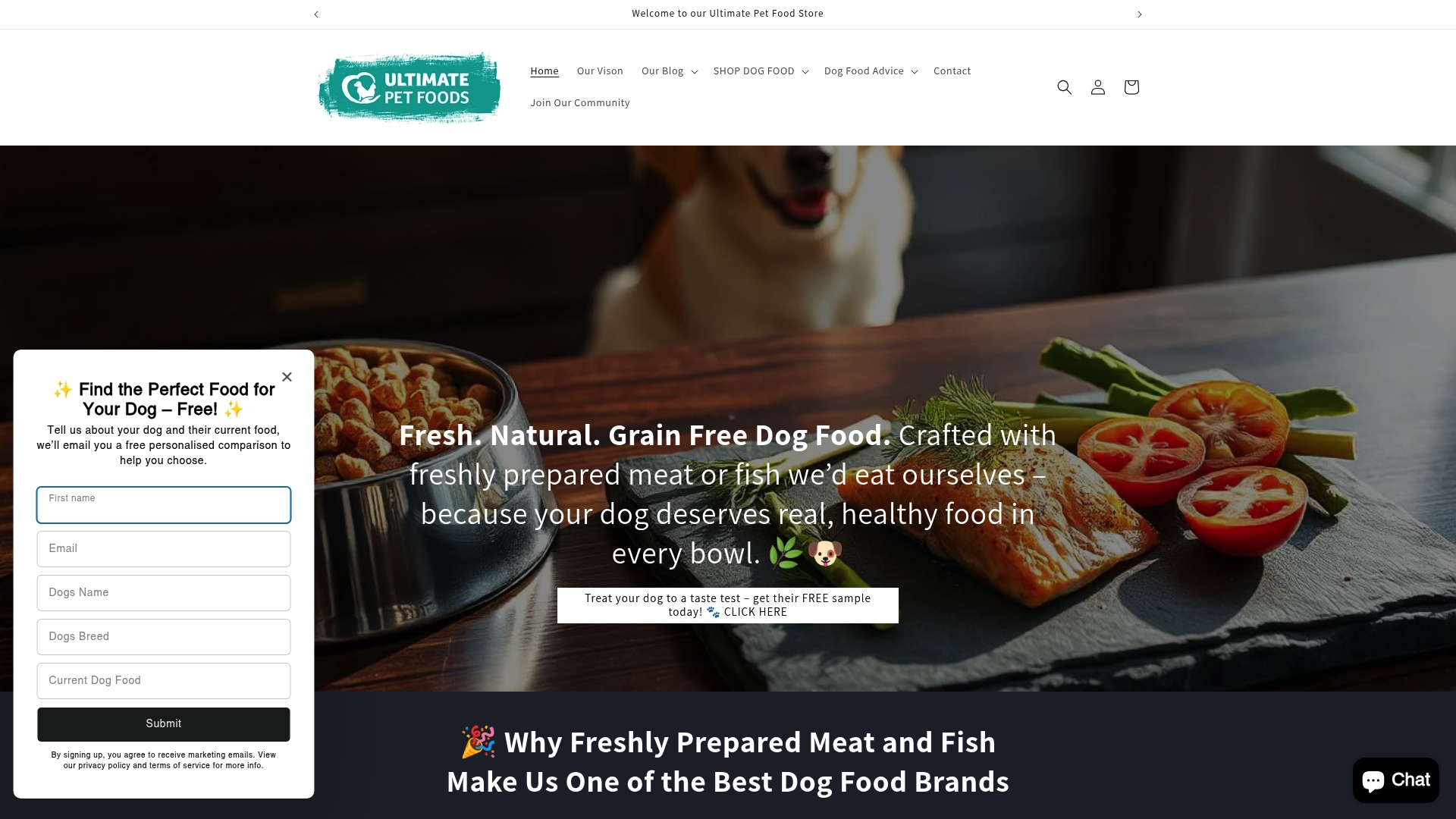
Make the switch today and explore our full selection of natural, health-driven options. Every purchase is a practical step towards a cleaner planet and a healthier pet. Learn more by visiting Ultimate Pet Foods now and discover how easy it is to feed your dog responsibly while supporting sustainable packaging choices.
Frequently Asked Questions
How can I identify compostable dog food bags?
Choosing compostable dog food bags involves looking for certifications like EN13432 and TÜV. These standards ensure that the bags decompose fully in a composting environment, contributing to less plastic waste. Start by checking the packaging when shopping to identify these eco-friendly options.
What are the benefits of using recyclable paper and cardboard packaging for dog food?
Recyclable paper and cardboard packaging helps reduce landfill waste and supports circular economy principles. To make a positive impact, opt for dog food packaged in these materials whenever possible, and recycle them properly after use.
How do refillable or bulk dog food options help the environment?
Refillable and bulk options significantly reduce single-use packaging waste by allowing you to bring your own containers for refills. Consider purchasing pet food in bulk or joining a refill program to decrease your plastic consumption and lower your carbon footprint.
What should I look for in eco certification when choosing pet food packaging?
Look for clear eco certifications that indicate a product’s compliance with environmental standards, such as compostability and recyclability. Check packaging labels for detailed information about material decomposition times and environmental impact to ensure you make responsible choices.
How can I effectively reuse pet food containers at home?
You can repurpose pet food containers for various uses, such as storage for garden supplies or organizing household items. Clean and dry them thoroughly before using them creatively around your home to help reduce waste and extend their life.
What steps should I take to properly dispose of pet food packaging?
To ensure responsible disposal, clean containers thoroughly, remove any non-recyclable components, and check your local recycling guidelines. Focus on separating different materials and ensuring packaging is completely dry to increase recycling effectiveness.