

Dog Food for Digestive Health: Enhancing Canine Wellbeing

More than forty percent of british dogs show signs of digestive discomfort each year, prompting dedicated owners to search for gentle, natural nutrition. When your companion faces food sensitivities or upset stomachs, choosing the right grain-free solution feels vital to their comfort and wellbeing. This guide uncovers practical steps and key ingredients that support digestive balance, helping british dog owners make confident, informed choices tailored to sensitive canine stomachs.
Table of Contents
- Defining Dog Food for Digestive Health
- Common Digestive Issues in Dogs
- Nutritional Elements Supporting Digestion
- Grain-Free and Hypoallergenic Diet Options
- Choosing and Transitioning the Right Food
Key Takeaways
| Point | Details |
|---|---|
| Specialised Dog Food | Dog food for digestive health includes prebiotics, probiotics, and hydrolysed proteins to support gastrointestinal function and nutrient absorption. |
| Transitioning Diets | Gradually introduce new dog food over 7-10 days to minimise digestive disturbances and track your dog’s response. |
| Common Digestive Issues | Be aware of issues like gastroenteritis and food allergies; targeted diets can manage these conditions effectively. |
| Nutritional Components | Key nutritional elements such as fibre, prebiotics, and probiotics enhance gut health and aid digestion. |
Defining Dog Food for Digestive Health
Digestive health represents a fundamental cornerstone of canine wellness, focusing on nutritional strategies that support optimal gastrointestinal function and microbiome balance. At its core, dog food for digestive health is specifically designed to promote healthy digestion, enhance nutrient absorption, and maintain a robust gut ecosystem. Emerging research highlights the critical role of gut microbiota in supporting comprehensive canine health beyond simple nutrition.
These specialised dog food formulations incorporate strategic nutritional components that target digestive wellness. Typically, they include ingredients like prebiotics, probiotics, easily digestible proteins, and balanced fibre sources. Prebiotics such as MOS and FOS serve as crucial nutritional support, helping to nourish beneficial gut bacteria and promote a stable intestinal environment. By carefully selecting ingredients that are gentle on the digestive system, these foods help reduce inflammation, support immune function, and maintain optimal nutrient uptake.
Key characteristics of digestive health dog food include hydrolysed proteins that are broken down into smaller peptides, making them significantly easier for dogs to process. These proteins are particularly beneficial for dogs with sensitive stomachs or those experiencing digestive challenges. Ultimate Pet Foods’ recipes, for instance, are gently cooked at 82°C to help preserve nutrient integrity while ensuring maximum digestibility. The goal is not merely to feed but to provide nutrition that actively supports the dog’s entire digestive ecosystem.
Pro tip: When transitioning to a digestive health dog food, introduce the new diet gradually over 7-10 days, mixing increasing proportions with the current food to minimise potential digestive disruption.
Common Digestive Issues in Dogs
Digestive problems are prevalent in dogs, ranging from mild discomfort to serious health conditions that require immediate veterinary attention. Diarrhoea remains one of the most frequent digestive challenges for dogs in the UK, affecting canines across various age groups and potentially indicating underlying health concerns. Understanding these common digestive issues is crucial for proactive pet care and maintaining your dog’s overall wellness.
Several key digestive problems can impact a dog’s health. Gastroenteritis is particularly common, often caused by dietary indiscretion, sudden food changes, infections, or consuming inappropriate substances. Young and senior dogs are especially vulnerable, with symptoms typically including persistent diarrhoea, vomiting, reduced appetite, and occasional lethargy. Other significant digestive issues include food allergies, which can trigger inflammatory responses in the gastrointestinal tract, and conditions like pancreatitis that require specialised dietary management.

Interestingly, not all digestive problems necessitate immediate antibiotic intervention. Many cases can be effectively managed through targeted nutritional strategies, such as sensitive stomach dog food options that provide easily digestible proteins and support gut microbiome balance. Probiotic supplements and carefully selected dietary ingredients can help restore intestinal health, reduce inflammation, and support the dog’s natural digestive processes. Hydrolysed protein formulations, which break down proteins into smaller, more manageable peptides, can be particularly beneficial for dogs with chronic digestive sensitivities.
Pro tip: Monitor your dog’s digestive health by maintaining a food and symptom diary, tracking any changes in diet, stool consistency, and potential trigger foods to help identify and manage underlying digestive issues.
The table below summarises common canine digestive issues and ways dietary management alleviates symptoms:
| Digestive Issue | Typical Symptoms | Dietary Support Approach |
|---|---|---|
| Gastroenteritis | Diarrhoea, vomiting, lethargy | Easily digestible proteins, bland diet |
| Food Allergies | Inflammation, discomfort | Hydrolysed protein, limited ingredients |
| Pancreatitis | Abdominal pain, vomiting | Low fat, highly digestible formulations |
| Sensitive Stomach | Occasional loose stools | Gradual food transition, probiotics |
Nutritional Elements Supporting Digestion
Dietary components play a crucial role in supporting canine digestive health, with specific nutrients working synergistically to maintain optimal gastrointestinal function. Proteins, carbohydrates, and fats serve as fundamental building blocks that provide energy, support tissue maintenance, and contribute to overall immune system performance. Each nutrient category brings unique properties that help dogs process food efficiently and maintain a healthy gut ecosystem.
Fibre stands out as a particularly essential nutritional element in supporting digestive wellness. Dietary fibre can be categorised into soluble and insoluble types, each serving distinct functions in the digestive process. Soluble fibres aid nutrient absorption and slow digestion, while insoluble fibres promote bowel regularity by adding necessary bulk to stools. Maintaining a balanced fiber content is critical to preventing digestive issues like diarrhoea or constipation, ensuring optimal gastrointestinal function.
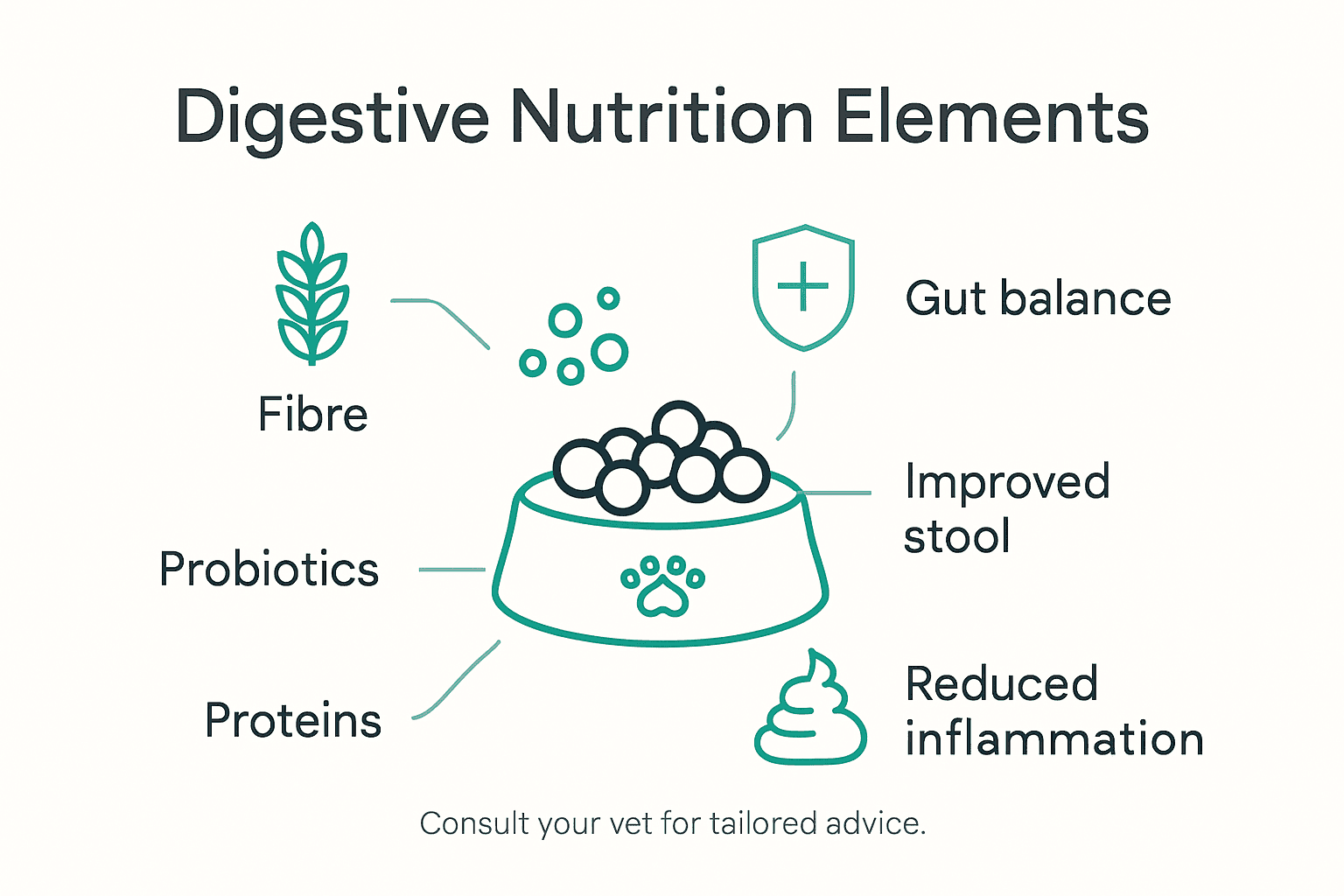
Beyond macronutrients, micronutrients such as vitamins, minerals, and bioactive plant extracts play significant roles in digestive health. Prebiotics like MOS and FOS help nourish beneficial gut bacteria, while probiotics introduce helpful microorganisms that support intestinal balance. Ultimate Pet Foods’ carefully formulated recipes incorporate these elements, using hydrolysed proteins and functional ingredients designed to enhance nutrient absorption, reduce inflammation, and support the dog’s natural digestive processes.
Pro tip: Introduce new dietary elements gradually and observe your dog’s digestive response, allowing at least two weeks for complete adaptation to any nutritional changes.
Here’s a comparison of key nutritional components and their benefits for canine digestive health:
| Nutritional Component | Function in Digestion | Typical Ingredient Sources |
|---|---|---|
| Prebiotics | Feed beneficial gut bacteria | MOS, FOS, chicory root |
| Probiotics | Support microbiome balance | Lactobacillus, enterococcus |
| Hydrolysed Proteins | Enhance protein digestibility | Duck, rabbit, fish |
| Balanced Fibre | Maintain stool regularity | Brown rice, sweet potato, pumpkin |
Grain-Free and Hypoallergenic Diet Options
Hypoallergenic dog foods are carefully crafted to minimise exposure to common dietary allergens, addressing the specific nutritional needs of dogs with sensitive digestive systems and food intolerances. These specialised diets typically employ novel protein sources such as duck or rabbit, and use hydrolysed proteins that are broken down into smaller, less reactive molecules. By eliminating common trigger ingredients like beef, chicken, dairy, wheat, and soy, these foods provide a targeted nutritional approach for dogs experiencing allergic reactions or digestive sensitivities.
Grain-free diets have gained significant attention among dog owners seeking alternative nutrition options. However, it is crucial to understand that grain-free does not automatically mean hypoallergenic. Protein sources are more likely to trigger allergic responses than grains themselves. Ultimate Pet Foods’ approach focuses on understanding the benefits of grain-free diets while ensuring comprehensive nutritional balance. Our recipes use alternative carbohydrate sources like sweet potato, pumpkin, and legumes to provide essential energy and nutrients without traditional grain ingredients.
Choosing the right hypoallergenic or grain-free diet requires careful consideration of individual dog needs. Some dogs may benefit from limited ingredient diets that reduce potential allergen exposure, while others might require specifically hydrolysed protein formulations. Ultimate Pet Foods offers tailored nutritional solutions, including our Ultimate+ Functional Health range, which uses hydrolysed proteins and added prebiotics to support digestive health and minimise potential allergic reactions. These recipes are gently cooked at 82°C to help preserve nutrient integrity and support optimal digestive function.
Pro tip: Consult with your veterinarian and maintain a detailed food diary when transitioning to a hypoallergenic diet, tracking any changes in your dog’s digestive health, skin condition, and overall wellbeing.
Choosing and Transitioning the Right Food
Selecting the optimal dog food requires a thoughtful approach that considers your dog’s individual nutritional needs, age, breed, and digestive health. A systematic method for transitioning dog foods can significantly minimise potential digestive disruptions, ensuring a smooth dietary adjustment. The process demands patience, careful observation, and a gradual introduction of new nutritional elements.
Ultimate Pet Foods recommends a meticulous transition strategy that respects your dog’s digestive sensitivities. Canine nutrition experts suggest a careful, incremental approach to dietary changes, typically spanning 7-10 days. The initial stage involves mixing approximately 10% new food with 90% existing food, progressively increasing the proportion of new food while monitoring your dog’s digestive response. This method allows the gastrointestinal system to adapt slowly, reducing risks of upset, diarrhoea, or food refusal.
Key considerations during food transition include tracking stool consistency, energy levels, and overall wellbeing. Dogs with sensitive stomachs or specific health conditions might require an even more prolonged adjustment period. Ultimate Pet Foods’ Ultimate+ Functional Health range, featuring hydrolysed proteins and targeted nutritional support, can be particularly beneficial for dogs with complex digestive requirements. Our recipes are gently cooked at 82°C to preserve nutrient integrity and support optimal digestive function, making them an excellent choice for dogs transitioning to a new diet.
Pro tip: Keep a detailed food transition diary, noting your dog’s daily stool quality, appetite, and energy levels to help identify any potential digestive sensitivities during dietary changes.
Support Your Dog’s Digestive Health with Tailored Nutrition
Digestive issues can cause your dog discomfort and affect their overall wellbeing. This article highlights the importance of specialised diets featuring hydrolysed proteins, prebiotics, and balanced fibre to promote a healthy gut and enhance nutrient absorption. If managing digestion is your concern, feeding solutions that focus on gentle, natural ingredients are essential to ease symptoms like diarrhoea and sensitive stomach reactions.
Explore our carefully crafted range of Dry Dog Food | Grain-Free & Science-Backed Kibble – Ultimate Pet Foods designed to support sensitive digestive systems.
Choose nutrition formulated specifically to maintain digestive balance and reduce inflammation. Visit Ultimate Pet Foods today to discover hypoallergenic options and natural grain-free recipes that your dog will love. Start improving your dog’s digestive health now to see the positive difference in energy, comfort, and vitality.
Frequently Asked Questions
What ingredients should I look for in dog food for digestive health?
Look for ingredients such as prebiotics, probiotics, easily digestible proteins, and balanced fibre sources. Ingredients like MOS and FOS provide nutritional support, while hydrolysed proteins are beneficial for sensitive stomachs.
How should I transition my dog to a new digestive health dog food?
Introduce the new food gradually over 7-10 days, mixing increasing proportions of the new diet with the current food to minimise digestive disruptions. Start with about 10% new food and increase it gradually while observing your dog’s response.
What are some common digestive issues in dogs?
Common digestive issues include gastroenteritis, food allergies, pancreatitis, and sensitive stomachs. Symptoms may include diarrhoea, vomiting, and discomfort. Monitoring your dog’s symptoms can help identify these issues early on.
How can dietary management help with my dog’s digestive problems?
Dietary management can alleviate symptoms through easily digestible proteins, hydrolysed proteins, and balanced fibre contents. These approaches help reduce inflammation, support gut health, and maintain regular bowel movements.


