
How to Make DIY Dog Enrichment Toys at Home Easily
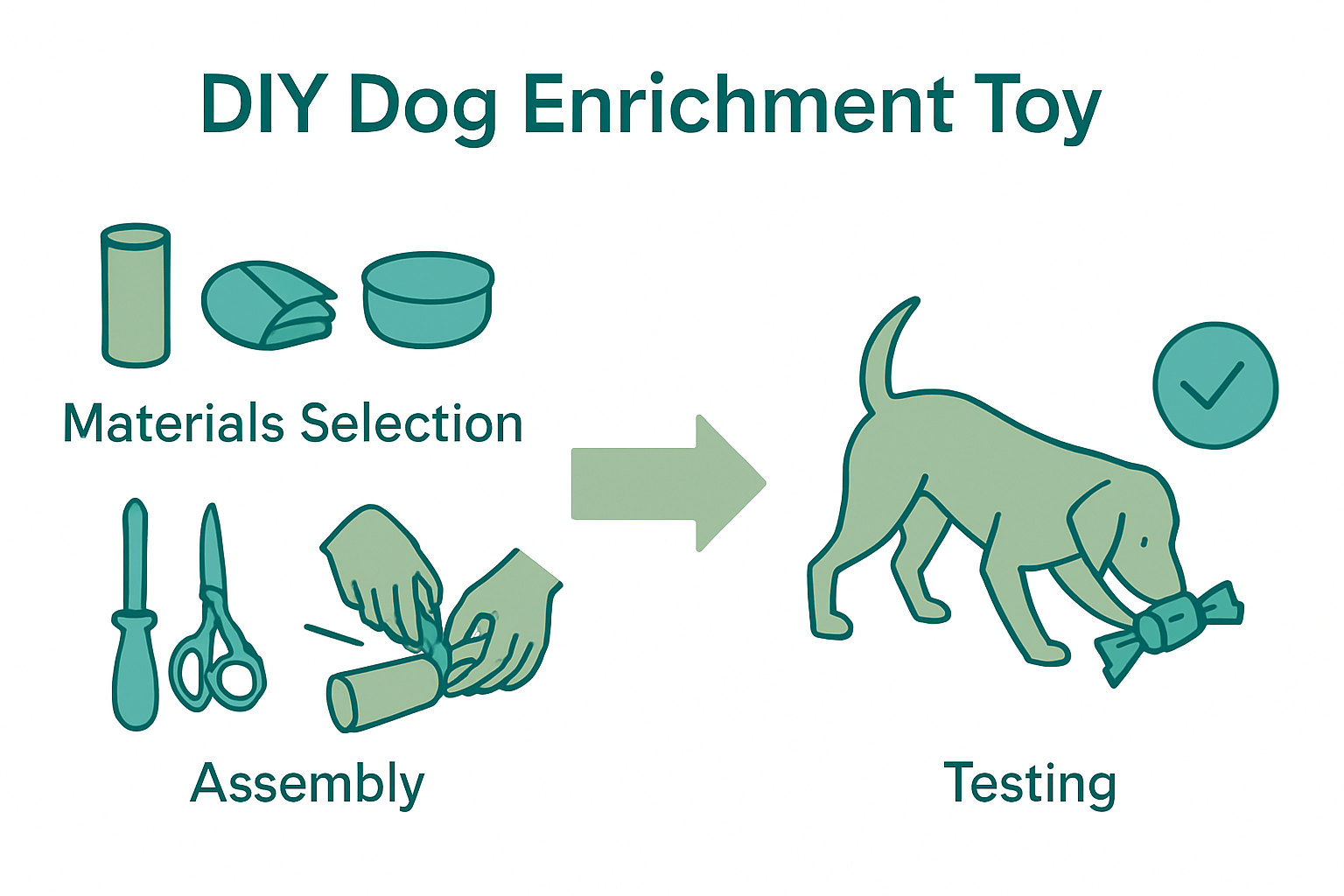
Every british dog owner wants their furry friend to feel happy and safe at home. Crafting DIY enrichment toys offers a simple way to keep dogs mentally active while reducing boredom or stress. Research shows that more than 50 percent of dogs show fewer problem behaviours when given varied, engaging toys. By selecting the right materials and customising activities, you can create affordable entertainment that brings real benefits to your canine companion.
Table of Contents
- Step 1: Select Suitable Natural And Grain-Free Materials
- Step 2: Prepare Your Workspace And Gather Essential Tools
- Step 3: Create Variety Using Safe Household Items
- Step 4: Assemble And Customise Enrichment Toys
- Step 5: Test Toys For Safety And Durability With Your Dog
Quick Summary
| Key Insight | Explanation |
|---|---|
| 1. Choose Safe Materials | Select untreated, chemical-free materials like cotton and wood to keep your dog safe while playing. |
| 2. Organise Your Workspace | Set up a clean and efficient workspace with all necessary tools to streamline the crafting process. |
| 3. Repurpose Household Items | Use everyday items such as cardboard boxes to create engaging enrichment toys without additional costs. |
| 4. Customise Toy Complexity | Tailor the difficulty of toys to your dog’s skill level to ensure an engaging and enjoyable experience. |
| 5. Monitor Toy Safety During Use | Supervise your dog closely during initial play to ensure toys are safe and durable for continued use. |
Step 1: Select suitable natural and grain-free materials
Creating safe and engaging DIY dog enrichment toys starts with choosing the right materials that are both stimulating for your furry friend and completely safe. According to nawt.org.uk, it’s crucial to select untreated, chemical-free materials that won’t pose any health risks to your dog.
When selecting materials, prioritise natural options like untreated wood, unbleached cotton, cardboard, and willow. Blue Cross recommends avoiding materials with toxic substances and ensuring any items can be safely chewed. Look for materials that are robust enough to withstand dog play but soft enough to prevent potential dental damage. Some excellent options include:
- Thick cardboard from packaging
- Untreated wooden blocks
- Clean cotton fabric strips
- Natural rope fibres
- Willow branches
Always inspect materials carefully before use, checking for splinters, loose threads, or sharp edges that could harm your dog. When in doubt, choose materials specifically designed for pet use or consult with your veterinarian about safe enrichment toy components.
By selecting the right materials, you will create not just a toy, but a safe and mentally stimulating experience for your canine companion.
Step 2: Prepare your workspace and gather essential tools
Before diving into creating DIY dog enrichment toys, setting up a well-organised workspace is key to a smooth crafting experience. ASPCA recommends establishing a clean, clutter-free area that allows you to work efficiently and safely while crafting your pet’s new interactive toy.
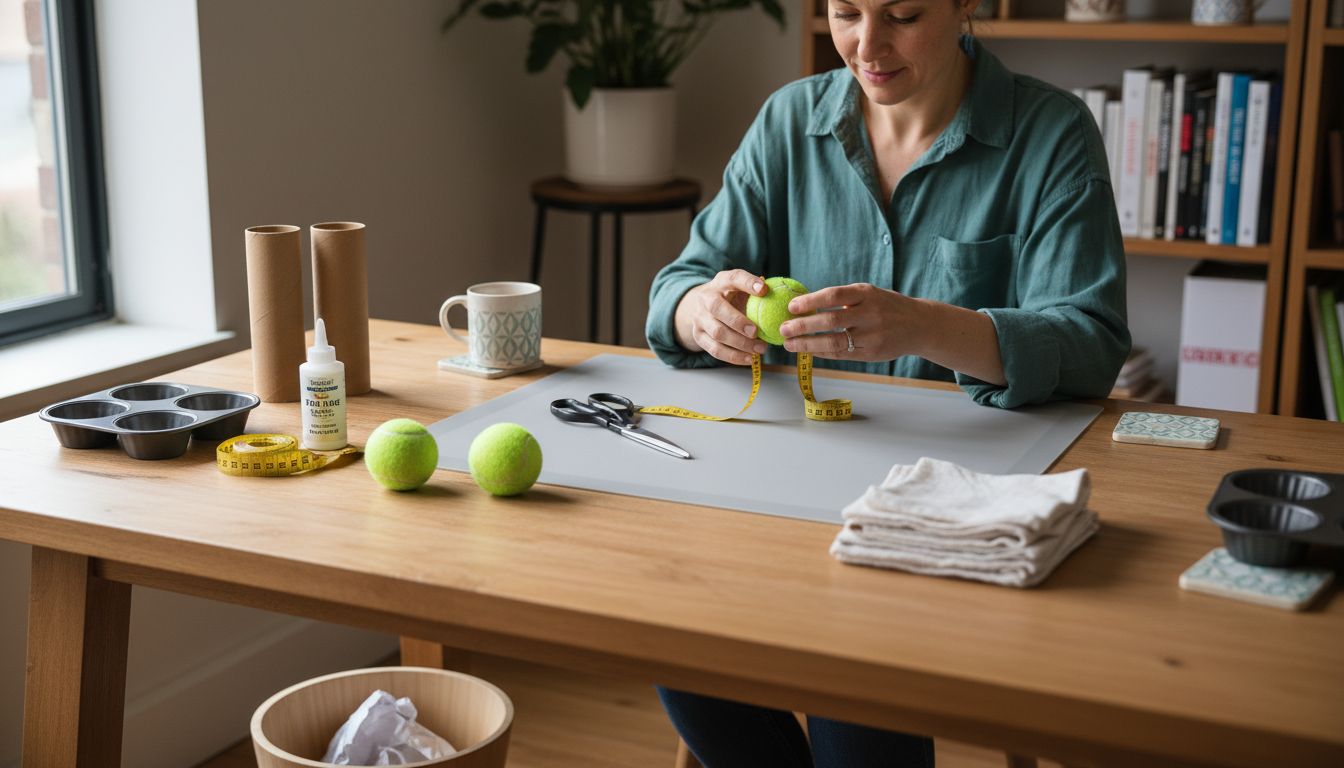
Start by clearing a sturdy table or workbench with ample space to spread out your materials. Bideawee suggests gathering all necessary materials beforehand to streamline your project. Your essential toolkit should include:
- Sharp fabric scissors
- Non toxic fabric glue
- Measuring tape or ruler
- Cardboard or thick fabric base
- Protective work surface covering
Ensure your workspace is well lit and away from potential distractions. Keep a small rubbish bin nearby for trimming waste and have a clean cloth handy for quick tidying. By preparing thoroughly, you will set yourself up for a successful and enjoyable DIY dog enrichment toy crafting session.
With your workspace ready, you are now prepared to transform simple materials into an exciting mental challenge for your furry friend.
Step 3: Create variety using safe household items
Transforming everyday household items into exciting dog enrichment toys is an excellent way to keep your furry friend mentally stimulated. National Animal Welfare Trust recommends using common items like cardboard boxes and toilet roll tubes to craft engaging toys that challenge and entertain your dog.
ASPCA suggests several creative approaches to repurpose household materials into interactive play items. Some innovative options include:
- Muffin tin puzzle games
- Tennis ball treat dispensers
- Cardboard box hiding games
- Toilet roll treat tunnels
- Empty plastic bottles with kibble inside
When creating these toys, always supervise your dog and remove any toy that shows signs of wear or potential breakage. Ensure all materials are clean, free from sharp edges, and do not contain small parts that could be swallowed. The key is to make the toy challenging but not frustrating.
By thinking creatively about household items, you can provide mental stimulation and entertainment for your canine companion without spending a fortune on commercial toys.
Step 4: Assemble and customise enrichment toys
Customising dog enrichment toys is about creating an engaging experience tailored to your dog’s unique personality and play style. Blue Cross provides expert guidance on constructing interactive toys that will keep your canine companion mentally stimulated and entertained.
Bideawee emphasises the importance of personalising toys to match your dog’s individual characteristics. When assembling your enrichment toy, consider these key customisation strategies:
- Match difficulty to your dog’s skill level
- Use treats your dog finds most motivating
- Vary texture and complexity
- Rotate toys to maintain interest
- Observe and adapt based on your dog’s response
Start with simpler designs and gradually increase complexity as your dog becomes more adept at solving puzzles. Always supervise playtime and replace toys showing signs of wear. By thoughtfully designing enrichment toys, you will provide mental stimulation that keeps your furry friend engaged and happy.
With these personalised toys, you are ready to challenge and entertain your dog while supporting their cognitive development.
Step 5: Test toys for safety and durability with your dog
ASPCA strongly recommends closely supervising your dog during the initial play sessions with new homemade enrichment toys. This critical observation period helps you assess whether the toy meets your dog’s needs and ensures their safety during interactive play.
National Animal Welfare Trust emphasises the importance of monitoring your dog’s interaction with new toys to prevent potential hazards. When testing your DIY enrichment toy, pay close attention to these key safety indicators:
- Watch for aggressive chewing or potential tear points
- Check that no small parts can be easily detached
- Observe your dog’s engagement level
- Ensure the toy remains intact during play
- Remove the toy immediately if significant wear appears
Start with short supervised play sessions, gradually increasing duration as you confirm the toy’s durability. Different dogs have different play styles, so what works for one might not suit another. Always prioritise your dog’s safety by being attentive and prepared to replace the toy if it shows signs of deterioration.
Learn more about fun games for dogs to complement your enrichment toy experience and keep your furry friend mentally stimulated and happy.
Enhance Your Dog’s Wellbeing with Natural Nutrition and Fun
Creating DIY dog enrichment toys helps to keep your furry companion mentally active and engaged using safe, natural materials. To complement this enriching play, providing a balanced diet tailored to their specific needs supports overall health, energy levels and cognitive function. At Ultimate Pet Foods, you will find expertly crafted, grain-free recipes made with fresh, natural ingredients designed to nourish your dog at every life stage.
Discover our wide range of options in the collections category to find wholesome meals that suit your dog’s unique needs and preferences. For owners seeking targeted nutrition for older pets, our Blends for our Senior Dogs – Ultimate Pet Foods offer specialised support to keep your senior dog vibrant and healthy. Don’t forget to explore the Discount 15% Offer for Our Sample customers. – Ultimate Pet Foods to try our premium foods and see the difference for yourself.
Boost your dog’s mental stimulation and wellbeing by pairing thoughtful enrichment activities with nutrient-rich feeding today at https://ultimatepetfoods.co.uk. Take the next step in creating a happier, healthier life for your best friend.
Frequently Asked Questions
What materials are safe for making DIY dog enrichment toys?
To create safe DIY dog enrichment toys, use untreated and chemical-free materials such as untreated wood, unbleached cotton, or thick cardboard. Always inspect the materials for sharp edges or loose threads to ensure your dog’s safety.
How can I customise DIY dog enrichment toys for my dog’s needs?
Customise your DIY toys by considering your dog’s skill level, and use their favourite treats for motivation. Start with simpler designs and gradually increase the complexity to keep your dog engaged and challenged.
What household items can I use to make dog enrichment toys?
Everyday items like cardboard boxes, toilet roll tubes, and plastic bottles can be creatively transformed into engaging dog toys. For example, a muffin tin can be used for a puzzle game by placing treats in each cup for your dog to discover.
How do I test the safety of my DIY dog toys?
Test the safety of your DIY toys by closely supervising your dog during initial play sessions. Look for signs of wear, aggressive chewing, or any parts that could present a choking hazard, and remove toys that become damaged immediately.
What steps should I follow to set up my workspace for making dog toys?
Establish a clean and clutter-free workspace by clearing a sturdy table and gathering all necessary materials and tools beforehand. Ensure good lighting and keep a rubbish bin nearby to maintain an organised environment while crafting.
How often should I rotate my dog’s enrichment toys?
Rotate your dog’s enrichment toys regularly to maintain their interest and engagement. Aim to introduce new or previously stored toys every few weeks to keep your dog’s playtime fresh and stimulating.
Recommended
- 7 Fun Games for Dogs at Home to Boost Health and Bonding – Ultimate Pet Foods
- Homemade Dog Treat Recipes: Easy, Healthy, and Natural Ideas – Ultimate Pet Foods
- Easy Dog Treat Recipes for Healthy, Grain-Free Snacks – Ultimate Pet Foods
- Wholesome Dog Friendly Recipes for Happy Pups – Ultimate Pet Foods