
Benefits of chicken free dog food for sensitive pets
TL;DR:
- Many dogs suffer from food sensitivities triggered by chicken, leading to skin and digestive issues. A strict elimination diet with carefully chosen chicken free and novel proteins is essential for accurate diagnosis and management. Expert insights emphasize reading labels carefully, avoiding hidden chicken ingredients, and understanding diet options beyond marketing claims to ensure true allergy relief.
Watching your dog scratch relentlessly, suffer recurring ear infections, or deal with an upset stomach is genuinely distressing, especially when you cannot pinpoint why. For many dogs, the culprit is hiding in plain sight: chicken. As one of the most widely used proteins in commercial pet food, chicken is also one of the most common triggers for food sensitivities and allergies in dogs. Understanding the real benefits of chicken free dog food, and knowing how to choose the right one, can make an enormous difference to your dog’s comfort, coat, and overall wellbeing. This guide walks you through everything you need to know.
Table of Contents
- How to evaluate chicken free dog food for your dog
- Popular protein options in chicken free dog foods
- Comparing chicken free dog foods with grain free and hypoallergenic options
- How to decide if chicken free dog food is right for your dog
- Re-thinking chicken free dog food: expert insights beyond the label
- Choose Ultimate Pet Foods for your chicken free dog diet needs
- Frequently asked questions
Key Takeaways
| Point | Details |
|---|---|
| Chicken as common allergen | Chicken proteins are a frequent cause of food allergies in dogs requiring strict elimination diets for diagnosis. |
| Strict elimination needed | A minimum 8-week controlled elimination trial without chicken or treats is essential to confirm sensitivity. |
| Novel proteins help | Using novel, non-chicken proteins like venison or hydrolysed options supports sensitive dogs during trials. |
| Grain free is not always better | Grain-free diets focus on removing grains, but protein source is more important for managing allergies. |
| Consistency and vet support | Consistent feeding and veterinary guidance are key for managing allergies and choosing the right diet. |
How to evaluate chicken free dog food for your dog
Choosing a chicken free diet is not simply a matter of picking a bag without the word “chicken” on the front. It requires careful, methodical thinking, particularly if you are using diet to investigate or manage a suspected food allergy.
The most reliable starting point is an elimination diet for dogs, a structured feeding trial that removes suspected allergens entirely from your dog’s meals. Diagnostic food trials require strict control to identify specific protein triggers like chicken, which means every meal, treat, and chew must be free from the suspect ingredient.
What to look for when evaluating a chicken free diet:
- No hidden chicken derivatives. Avoid foods listing chicken meal, chicken fat, chicken by-products, or chicken stock. These all carry the same allergenic proteins as fresh chicken.
- Novel protein as the primary ingredient. Your dog should not have eaten the protein source before, making it less likely to provoke an existing immune response.
- Short, transparent ingredient list. Fewer ingredients mean fewer variables. This makes it easier to identify what is and is not causing a reaction.
- Complete and balanced formulation. The food must meet established nutritional standards for your dog’s life stage, whether puppy, adult, or senior.
- No artificial flavourings or colourings. These can mask hidden allergens and introduce unnecessary variables into a trial.
How to start the evaluation process:
- Consult your vet before starting any elimination diet to rule out environmental allergies and confirm a dietary cause is likely.
- Review the full ingredient list of your current food and note every protein source your dog has eaten before.
- Choose a chicken free dog food that uses a protein your dog has never consumed.
- Transition gradually over five to seven days to reduce the risk of digestive upset during the changeover.
- Commit fully for the recommended trial period, with no exceptions for treats or table scraps.
The advantages of chicken free diets only become apparent when the trial is conducted properly. Partial compliance is the single most common reason elimination diets fail, so planning ahead matters enormously.
Popular protein options in chicken free dog foods
Once you understand how to evaluate a diet, the next question is: what should replace chicken? The answer depends on your dog’s history of exposure to different proteins, and the good news is there are genuinely excellent options available.
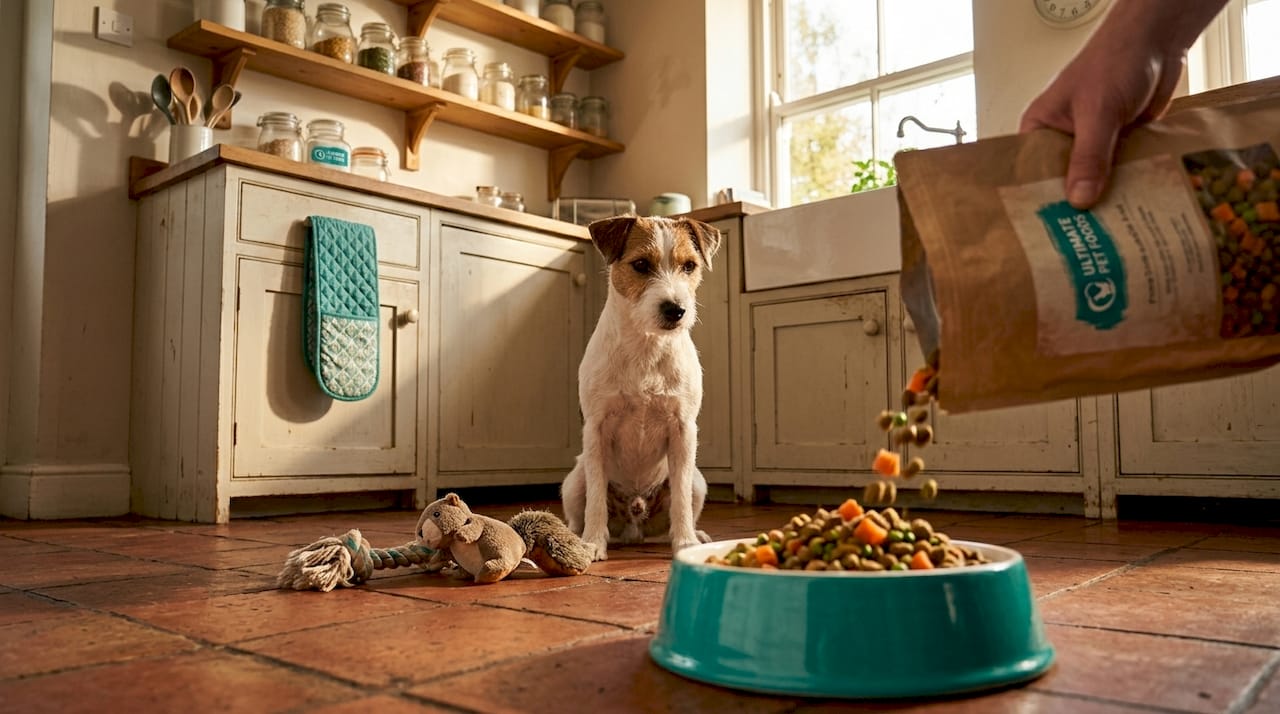
Novel protein sources are proteins your dog has not encountered before, which means their immune system has not had the chance to develop a sensitivity to them. Venison, kangaroo, rabbit, and hydrolysed protein diets are good options for dogs with chicken allergies, each offering a distinct nutritional profile and low cross-reactivity risk.
Common protein alternatives and their key qualities:
- Venison. Lean and iron-rich, venison is rarely found in budget commercial foods, making it a strong novel protein choice. It is highly digestible and well-tolerated by most sensitive dogs.
- Rabbit. Naturally low in fat and high in protein, rabbit is an excellent option for dogs prone to weight gain alongside their sensitivities. It is gentle on the digestive system.
- Kangaroo. Perhaps the most novel of all common alternatives, kangaroo is unlikely to have featured in your dog’s previous diet. It is rich in zinc and B vitamins.
- White fish (such as salmon, trout, or haddock). Fish provides omega-3 fatty acids that actively support skin barrier function, making it particularly useful for dogs whose allergy manifests as skin irritation.
- Hydrolysed protein. This is protein that has been broken down into fragments so small the immune system does not recognise them as a threat. It is the most hypoallergenic protein option available and is often recommended for dogs with multiple sensitivities.
Limited ingredient diets pair well with all of these proteins. By keeping the ingredient list short and purposeful, they reduce the risk of hidden allergens slipping through and make it far easier to track your dog’s response. Think of it as removing the noise so you can hear the signal clearly.
Comparing chicken free dog foods with grain free and hypoallergenic options
One of the most common points of confusion for dog owners is how chicken free, grain free, and hypoallergenic diets relate to each other. They overlap, but they are not interchangeable, and understanding the difference is genuinely important.
Most canine food allergies are triggered by proteins, not grains, so removing chicken directly targets the most likely allergen rather than eliminating grains alone. A grain free food that still contains chicken is unlikely to help a dog with a chicken sensitivity, while a grain-inclusive food without chicken may be perfectly suitable.
| Diet type | Primary goal | Common proteins | Removes chicken by default? | Best suited for |
|---|---|---|---|---|
| Chicken free | Remove chicken allergen | Venison, rabbit, fish, kangaroo | Yes | Dogs with confirmed or suspected chicken sensitivity |
| Grain free | Remove grain-based carbohydrates | May include chicken | Not necessarily | Dogs with grain intolerance or owners preferring grain free nutrition |
| Hypoallergenic | Minimise all allergen potential | Hydrolysed proteins | Usually yes | Dogs with multiple or severe food allergies |
| Limited ingredient | Reduce allergen variables | Varies | Depends on recipe | Dogs undergoing elimination trials |
Key takeaways from the comparison:
- A food can be both chicken free and grain free, and many premium options are exactly that.
- Grain free is not inherently better for allergy management unless grains are a confirmed trigger.
- Hypoallergenic diets using hydrolysed proteins offer the strictest allergen control and are often recommended by vets for complex cases.
- The grain free diet benefits are real but distinct from the protein-focused benefits of removing chicken specifically.
Understanding hypoallergenic dog food helps clarify why the best option for your dog depends on the nature and severity of their sensitivities, not on trends or marketing claims.
Pro Tip: For an elimination trial, limited ingredient or hydrolysed protein diets give you far stricter allergen control than a standard grain free food. Grain free alone rarely delivers the results dog owners are hoping for when chicken is the actual problem.
How to decide if chicken free dog food is right for your dog
Knowing about chicken free diets is one thing. Deciding whether your dog actually needs one is another. Here is a structured approach we recommend to help you reach a confident, evidence-based decision.
The only reliable way to confirm a chicken allergy is a controlled elimination trial with strict feeding protocols and a re-challenge phase. There is no shortcut that matches the accuracy of a properly conducted diet trial.
Step-by-step decision process:
- Consult your vet. Describe your dog’s symptoms in detail, including when they started, how frequently they occur, and whether they correlate with feeding times. Your vet may recommend skin or blood testing, though diet trials remain the gold standard.
- Begin a strict elimination diet. Select a chicken free diet using a novel or hydrolysed protein and commit for a minimum of eight weeks.
- Monitor gastrointestinal symptoms first. Vomiting, loose stools, and bloating often improve within two to three weeks if chicken was the trigger.
- Allow longer for skin symptoms. Itching, redness, and hot spots linked to food allergy typically take five to eight weeks to improve noticeably.
- Conduct a re-challenge. Once symptoms have cleared, reintroduce chicken under veterinary guidance. If symptoms return, a chicken allergy is confirmed. This step is essential and often skipped, but it removes all doubt.
- Maintain the diet long term. If the allergy is confirmed, a sustained elimination diet using a suitable alternative protein becomes your dog’s permanent feeding approach.
Pro Tip: Plan your food supply before you start the trial. Running out midway and substituting a different food, even briefly, resets the clock. Also check that any flea treatments, dental chews, or flavoured medications do not contain chicken proteins. These small exposures are the most common cause of inconclusive trial results.
The advantages of chicken free diets are clearest when the approach is consistent. Partial effort produces partial results, and your dog deserves better than that.
Re-thinking chicken free dog food: expert insights beyond the label
Here is something we see repeatedly, and it is worth saying plainly: the “chicken free” label on a bag of dog food does not guarantee your dog is safe. Not all manufacturers test for cross-contamination, and some ingredient names obscure chicken-derived content entirely. Chicken free labels can be misleading due to hidden chicken proteins listed under different ingredient names, and these hidden exposures are a leading cause of failed allergy trials.
We also notice that many dog owners focus entirely on the food and overlook everything else entering their dog’s mouth. A single chicken-flavoured training treat can undermine eight weeks of careful dietary management. So can a flavoured worming tablet, a chew toy coating, or a “natural” supplement that lists “poultry” as a flavour source. Scrutinising the full ingredient list of every product your dog consumes is not pedantic. It is essential.
There is another reality worth acknowledging: diet change alone often does not heal a dog’s skin. Chronic food allergy damages the skin barrier over time, and topical treatment or veterinary-prescribed skincare is frequently needed alongside dietary management to repair it fully. A chicken free diet removes the trigger; it does not instantly undo months or years of inflammation. Realistic expectations lead to consistent effort, and consistent effort leads to real results.
Finally, we encourage you to look beyond marketing language when evaluating any food. “Natural,” “premium,” and even “hypoallergenic” are not regulated terms in pet food. What matters is the limited ingredient diet approach: transparent sourcing, a verifiable manufacturing process, and a full ingredient list you can actually read and understand.
Pro Tip: Ask your food supplier directly about cross-contamination protocols. A brand confident in its manufacturing process will answer without hesitation. One that deflects is worth reconsidering.
Choose Ultimate Pet Foods for your chicken free dog diet needs
Now that you understand the benefits and considerations of chicken free diets, we want to make your next step simple. At Ultimate Pet Foods, we have built our range with sensitive dogs firmly in mind.
Our recipes use freshly prepared, human-grade ingredients, gently cooked to preserve nutritional value. Every formula is complete and balanced, suitable for all life stages and breeds, and formulated with added prebiotics including MOS and FOS to support a healthy gut microbiome. For dogs with more complex needs, our Ultimate+ Functional Health range offers hydrolysed protein options targeting digestive care, skin and coat health, weight management, joint support, and dental health. You can explore the full grain free diet benefits our recipes are built on, or read more about our grain free ingredients and why every one earns its place. Every wag, bounce, and cuddle starts with food you can trust. 🐾
Frequently asked questions
What are the signs that my dog might be allergic to chicken?
Food allergy symptoms include persistent itching, skin inflammation, recurring ear infections, and gastrointestinal upset such as loose stools or vomiting, particularly when these symptoms ease after chicken is removed from the diet.
Can grain free diets help dogs with chicken allergies?
Grain free diets may support general digestive health, but most food allergies are triggered by proteins rather than grains, so removing chicken specifically is far more effective than removing grains alone.
How long should I feed chicken free food to see results?
Gastrointestinal symptoms typically improve within two to three weeks, while skin symptoms require five to eight weeks or longer on a strict chicken free elimination diet to show meaningful improvement.
Are hydrolysed protein diets better for dogs with multiple allergies?
Yes. Hydrolysed protein diets break proteins into peptides small enough to avoid triggering an immune response, making them the most reliable option for dogs that react to multiple protein sources.