
Optimise your dog's exercise and nutrition in 2026
Many dog owners assume all dogs need identical exercise routines and diets, regardless of breed, age, or health. This widespread misconception can lead to serious health problems, from obesity and joint disease to behavioural issues and nutritional deficiencies. Recent research reveals that tailored approaches to physical activity and feeding dramatically improve canine wellbeing and longevity. This guide explains how to match exercise intensity and nutritional choices to your dog’s specific needs in 2026.
Table of Contents
- Understanding Breed-Specific Exercise Needs
- Age And Health Conditions Influencing Exercise And Activity
- Tailoring Nutrition For Optimal Health Through Life Stages
- Managing Exercise And Nutrition For High-Energy Breeds: The Example Of The Doberman
- Explore Premium Tailored Dog Nutrition And Exercise Solutions
Key takeaways
| Point | Details |
|---|---|
| Breed groups determine exercise intensity | Working and herding breeds need 90-120 minutes daily, whilst low-energy breeds require gentler routines |
| Senior dog nutrition lacks standardisation | 18% of senior products fail to meet basic adult maintenance requirements |
| Raw diets improve nutrient absorption | Up to 90% absorption due to preserved enzymes, though bacterial risks exist |
| Age-specific exercise prevents injury | Puppies follow the 5-minute rule; seniors benefit from swimming and slow walks |
Understanding breed-specific exercise needs
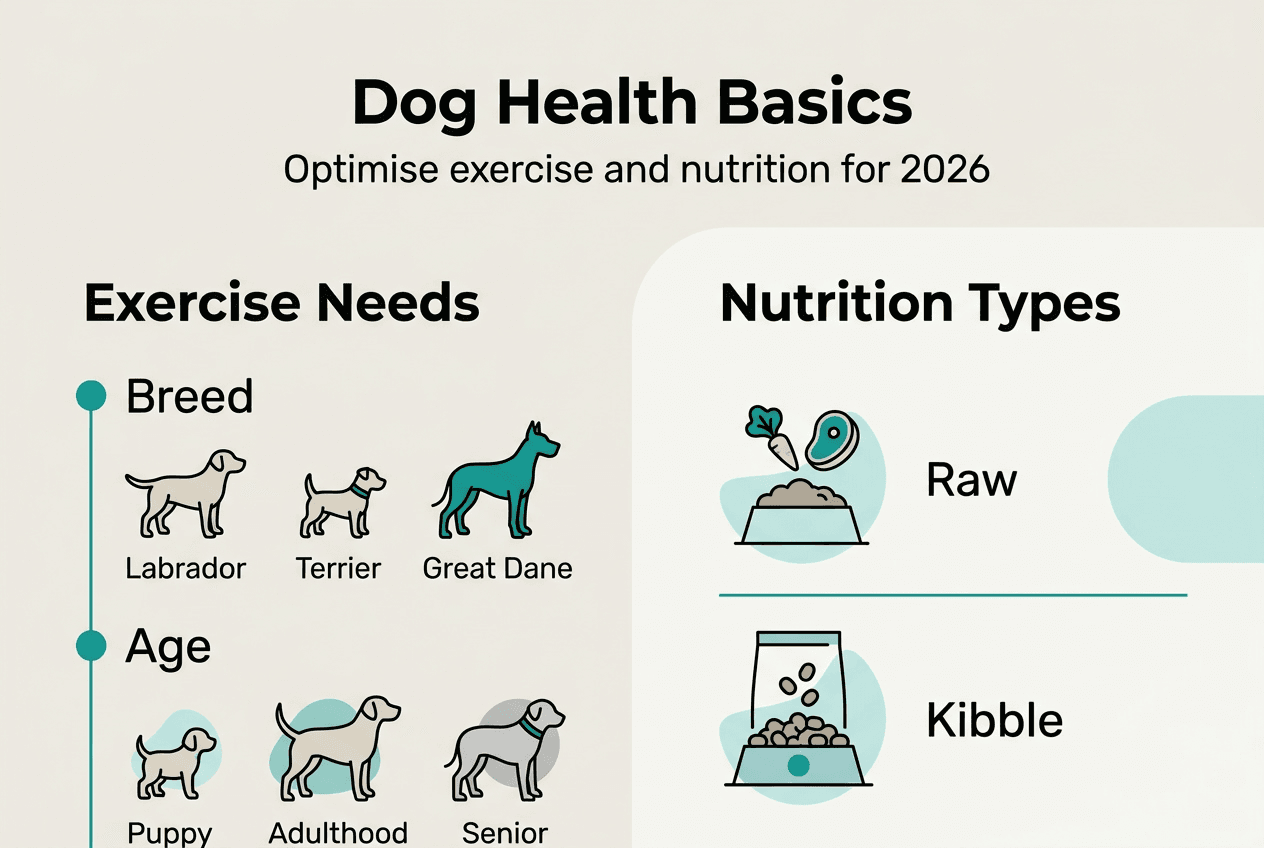
Your dog’s breed group reveals essential clues about exercise requirements. Breed-specific exercise needs vary significantly, with high-energy breeds demanding far more intense activity than their low-energy counterparts. Different breed groups were developed for specific working purposes, creating lasting effects on modern exercise preferences and stamina.
Herding breeds like Border Collies, Australian Shepherds, and Belgian Malinois typically require 90 to 120 minutes of vigorous daily exercise. These dogs were bred to run alongside livestock for hours, maintaining intense focus and physical exertion. Without adequate outlets, they develop destructive behaviours and anxiety.
Sporting breeds such as Labrador Retrievers and English Springer Spaniels thrive on retrieving games, swimming, and long walks. Understanding dog breed differences helps you recognise why your Pointer needs far more running time than a Basset Hound.
Low-energy breeds still need regular stimulation despite lower intensity requirements. Bulldogs, Shih Tzus, and Cavalier King Charles Spaniels benefit from shorter walks and gentle play sessions. Overexertion in these breeds can cause respiratory distress and joint strain.
Individual temperament creates variation even within breeds. Monitor your dog’s response to exercise by watching for signs of fatigue, enthusiasm, and recovery time. Some dogs naturally have higher or lower energy than breed averages suggest.
Pro tip: Track your dog’s behaviour patterns for two weeks after adjusting exercise routines to identify the optimal activity level for their individual needs.
Proper exercise supports muscular development, cardiovascular health, and metabolic function. Dogs receiving appropriate physical activity maintain healthier body weight, stronger joints, and calmer temperaments. Regular movement also stimulates mental engagement, reducing boredom and associated behavioural problems.
Age and health conditions influencing exercise and activity
Age profoundly impacts safe exercise parameters for dogs. Age is a critical factor in determining appropriate activity levels, with puppies and seniors requiring carefully modified routines.
Puppies benefit from the 5-minute rule: five minutes of structured exercise per month of age, twice daily. A three-month-old puppy should receive no more than 15 minutes of walking or play per session. This guideline protects developing bones and growth plates from injury. Short, frequent play sessions suit puppy energy bursts better than prolonged activities.
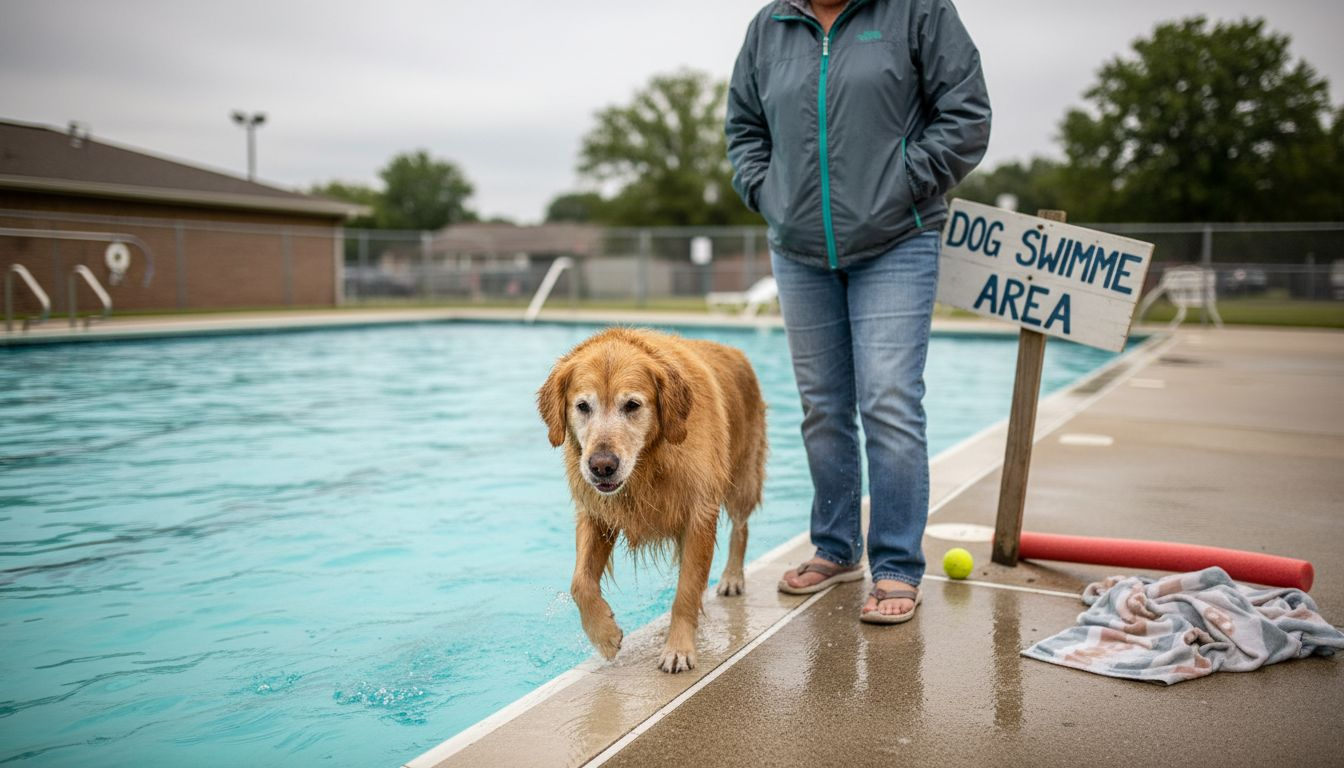
Senior dogs need consistent, low-impact activities like swimming and slow-paced walks. These exercises maintain muscle tone and joint mobility without causing pain or exhaustion. Age-specific exercise adaptation becomes crucial as dogs enter their senior years, typically around seven to nine years depending on size.
Health conditions such as Brachycephalic syndrome demand careful exercise monitoring. Flat-faced breeds like Pugs, French Bulldogs, and English Bulldogs struggle with temperature regulation and breathing during exertion. These dogs require short bursts of activity in cool conditions with frequent rest breaks.
Dogs with joint issues such as arthritis or hip dysplasia may prefer controlled, straight-line walking to reduce pain. Circular movements and jumping can worsen joint deterioration. Hydrotherapy and gentle swimming provide excellent low-impact alternatives that strengthen muscles without stressing joints.
Pro tip: Consult your vet before modifying exercise routines for dogs with diagnosed health conditions to ensure activities support rather than harm their specific needs.
Tailoring exercise to life stage and health status prevents injuries whilst promoting long-term wellbeing. Learn more about natural dog exercise guidance to develop safe, effective routines for your pet.
Tailoring nutrition for optimal health through life stages
Nutritional needs shift throughout a dog’s life, yet confusion persists about what constitutes appropriate senior feeding. Senior dog diets demonstrate wide variability and often fail to differ meaningfully from adult maintenance formulas.
The definition of ‘senior’ varies dramatically by breed and size. Giant breeds may be considered senior at five years, whilst small breeds enter this stage around eight to ten years. This lack of standardisation creates confusion when selecting appropriate foods. Shockingly, 18% of products marketed as senior dog food do not meet minimum adult maintenance nutrition requirements.
Research shows 85% of owners believe senior dogs need distinct nutrition, yet feeding practices vary enormously. Some owners reduce calories to prevent obesity, whilst others increase protein to maintain muscle mass. This inconsistency reflects the absence of clear industry standards for senior formulations.
Diet type significantly affects nutrient absorption and health outcomes. Raw food diets can lead to improved digestibility and nutrient absorption compared to kibble, with absorption rates reaching 90% due to preserved enzymes. However, bacterial contamination risks from Salmonella and E. coli pose serious health hazards to both dogs and handlers.
Kibble diets offer convenience and balanced nutrient profiles when well-formulated. Quality varies enormously between brands, with some containing excessive fillers and others providing excellent complete nutrition. Digestibility typically ranges from 65% to 80% depending on ingredient quality and processing methods.
Fresh-cooked diets balance nutrient availability with safety by combining cooked meats, vegetables, and supplements. Compare raw vs kibble vs cooked diets to understand how each approach affects your dog’s health.
| Diet type | Digestibility | Safety concerns | Preparation effort |
|---|---|---|---|
| Raw | 85-90% | Bacterial contamination high | Moderate to high |
| Kibble | 65-80% | Generally safe if stored properly | Very low |
| Fresh-cooked | 80-85% | Low if handled correctly | High |
Understanding these differences helps you make informed choices. Explore senior dog nutrition basics and best senior dog foods to find options suited to your pet’s age and health status.
Managing exercise and nutrition for high-energy breeds: the example of the Doberman
Dobermans exemplify breeds requiring intensive physical and nutritional care. Insufficient exercise in Dobermans leads to joint problems, weakened cardiovascular health, and obesity. Their muscular build and working heritage create exceptional energy demands.
Without adequate exercise, Dobermans develop muscle weakness that cannot properly support joints. This weakness accelerates arthritis development and causes chronic pain. Excess calories compound the problem, leading to obesity that places additional stress on already compromised joints.
Cardiovascular fitness declines rapidly in sedentary Dobermans. These dogs were bred for stamina and speed, requiring regular vigorous activity to maintain heart health. Lack of exercise also disrupts metabolic function, increasing diabetes and other metabolic disorder risks.
Under-exercised Dobermans exhibit behavioural issues such as digging, anxiety, hyperactivity, excessive barking, and destructive chewing. These problems stem from unspent energy and mental understimulation rather than poor training or temperament.
Meeting Doberman exercise needs effectively:
- Provide 90 to 120 minutes of vigorous daily exercise through running, agility training, or fetch
- Incorporate mental stimulation with puzzle toys and obedience training
- Monitor for signs of overexertion including excessive panting, limping, or reluctance to continue
- Adjust intensity based on age, with puppies and seniors requiring modified routines
- Maintain consistent schedules to support behavioural stability
Exercise is not optional for high-energy breeds like Dobermans. Insufficient physical activity directly causes preventable health problems and behavioural issues that diminish quality of life.
Pro tip: Combine nutritional support with exercise by feeding after activity to aid muscle recovery and prevent bloat, a serious risk in deep-chested breeds like Dobermans.
Learn more about aligning nutrition with exercise demands through senior nutrition insights to optimise your dog’s wellbeing.
Explore premium tailored dog nutrition and exercise solutions
Now that you understand how breed, age, and health shape exercise and nutrition needs, you can take practical steps to optimise your dog’s care. Ultimate Pet Foods offers natural, premium dog food tailored for different breeds and life stages, including specialist options for senior dogs and high-energy breeds.

Explore tailored dog food options through sample boxes to discover the right nutrition for your dog’s unique requirements. Visit our senior dog food guide to learn how to choose foods that support ageing dogs. Compare formulations using our dry dog food comparison to find options matching your dog’s energy levels and health needs.
FAQ
How do exercise needs change throughout a dog’s life?
Puppies require frequent, short sessions of low-impact play following the 5-minute rule to protect developing bones. Senior dogs benefit from consistent, low-impact activities like swimming or slow walking that maintain mobility without causing pain. Always adjust exercise intensity and duration to match your dog’s current life stage and individual fitness level.
What are the benefits and risks of raw diets for dogs?
Raw diets improve digestibility and nutrient absorption up to 90% due to preserved enzymes. However, they carry significant risks of bacterial contamination from Salmonella and E. coli that can harm both dogs and humans. Proper hygiene, sourcing, and preparation are essential to minimise these health hazards if you choose raw feeding.
How can I prevent behavioural problems linked to insufficient exercise?
Ensure your dog receives exercise matched to their breed, age, and health status, with high-energy breeds needing 90 to 120 minutes daily. Incorporate mental stimulation through training, puzzle toys, and varied activities alongside physical exercise. This combination reduces anxiety, hyperactivity, and destructive behaviours caused by unspent energy and boredom.
Why do senior dog foods vary so much in nutritional content?
The pet food industry lacks standardised definitions for ‘senior’ age and nutritional requirements, creating enormous variation between products. Some manufacturers simply rebrand adult formulas, whilst others genuinely modify protein, fat, and calorie content. Always check that senior foods meet minimum adult maintenance requirements and match your individual dog’s health needs rather than relying on marketing claims alone.