

Homemade Dog Food Supplements: Supporting Canine Health
Most british dog owners want the very best for their pets, yet fewer than 35 percent feel confident creating balanced homemade meals without professional guidance. Choosing the right supplements becomes vital, especially since nutritional gaps can affect a dog’s health and happiness. This article explores what makes homemade dog food supplements effective, which options support canine wellness, and why expert advice is essential for every responsible british pet owner.
Table of Contents
- Defining Homemade Dog Food Supplements
- Types Of Supplements Suitable For Dogs
- Essential Nutrients And Their Functions
- Risks And Safety Precautions For Owners
- Legal Guidance And Vet Approval Requirements
Key Takeaways
| Point | Details |
|---|---|
| Homemade Dog Food Supplements | These specialised additions enhance a dog’s diet by providing essential nutrients lacking in homemade meals, improving overall health and addressing specific needs. |
| Types of Supplements | Common dog supplements include multivitamins, Omega-3 fatty acids, probiotics, and joint health products tailored to individual canine requirements. |
| Safety Precautions | Careful preparation is vital to avoid risks such as bacterial contamination and nutritional imbalances; veterinary guidance is essential. |
| Legal Compliance | Adhering to food safety regulations and ensuring professional veterinary approval is crucial when making homemade supplements to protect both canine health and owner liability. |
Defining Homemade Dog Food Supplements
Homemade dog food supplements are specialised nutritional products designed to enhance the dietary profile of freshly prepared meals. These targeted nutritional additions aim to provide concentrated sources of essential nutrients that might be missing from a dog’s standard diet, supporting overall health and addressing specific physiological needs.
According to professional nutrition standards, pet supplements are concentrated formulations containing vitamins, minerals, amino acids, essential fatty acids, and herbal extracts that complement a dog’s primary nutrition. These supplements can help fill potential nutritional gaps, particularly when preparing homemade meals that might lack comprehensive nutritional balance. Our premium dog food already contains freshly prepared meat or fish, gently cooked at 82°C to lock in nutrients, but additional targeted supplementation can provide extra support for specific health requirements.
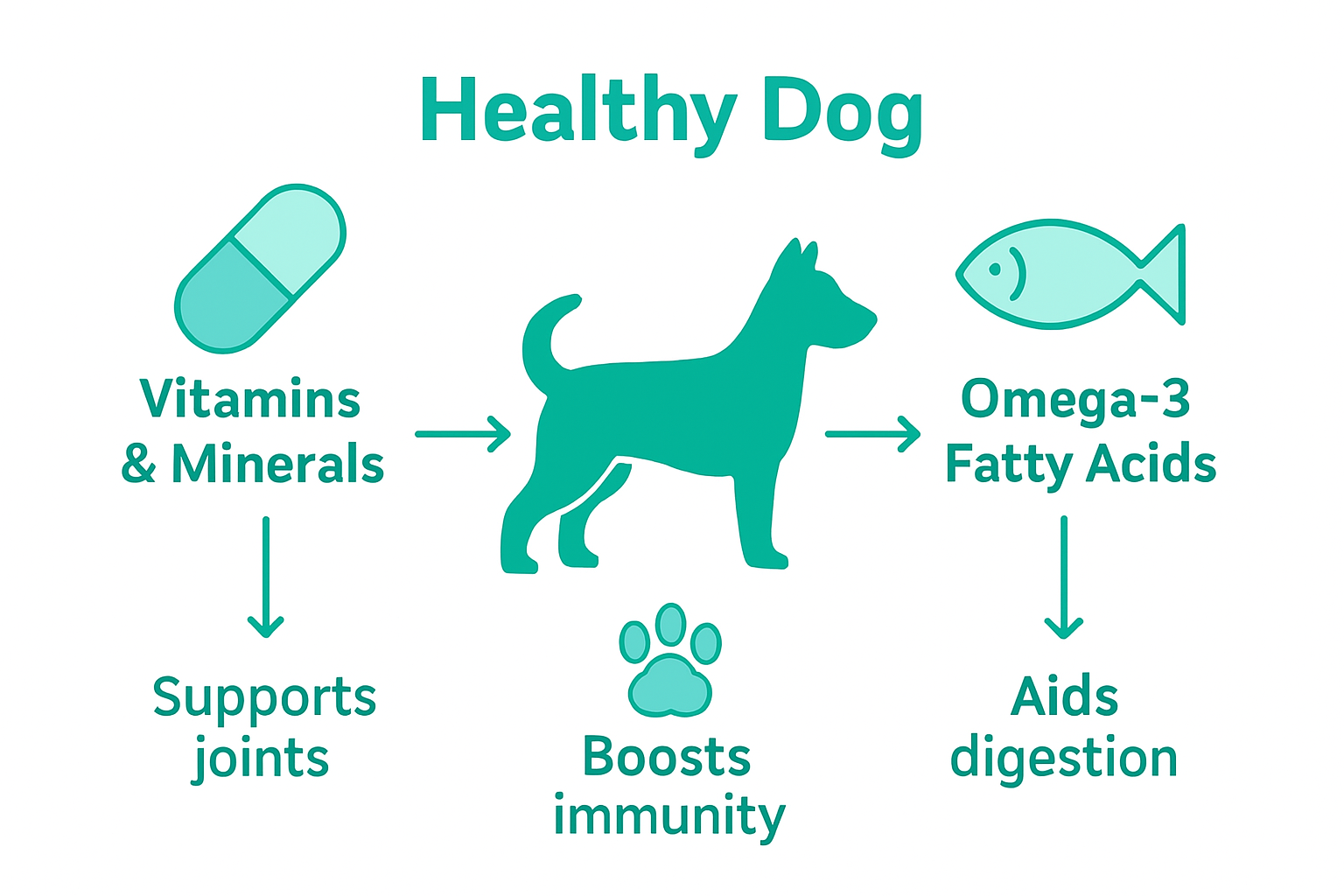
The key considerations when selecting homemade dog food supplements include understanding your dog’s unique nutritional needs, age, breed, activity level, and any existing health conditions. Supplements can support various aspects of canine wellness, such as joint health, digestive function, immune system strength, and coat condition. Professional veterinary guidance is crucial in determining the most appropriate supplementation strategy, ensuring that any additions to your dog’s diet are safe, effective, and tailored to their individual requirements.

Types Of Supplements Suitable For Dogs
Dogs require various nutritional supplements to support their overall health and address specific physiological needs. According to nutrition experts, key supplement categories include essential vitamins, minerals, amino acids, and specialised compounds that can enhance a dog’s dietary profile beyond standard nutrition.
The most common types of dog supplements encompass several critical nutritional groups. These include:
- Multivitamin supplements: Providing comprehensive nutritional support
- Omega-3 fatty acid supplements: Supporting skin, coat, and joint health
- Probiotic supplements: Enhancing digestive system function
- Joint health supplements: Containing glucosamine and chondroitin for mobility
- Mineral supplements: Addressing potential nutritional deficiencies
When considering homemade dog food supplementation, veterinary guidance becomes crucial. Each dog’s specific requirements vary based on age, breed, activity level, and existing health conditions. Professional nutritionists recommend tailoring supplement choices to individual canine needs, ensuring that additional nutritional support complements the dog’s primary diet without causing imbalances or potential health risks.
Essential Nutrients And Their Functions
Canine nutrition demands a complex balance of essential nutrients that support multiple physiological functions. Scientific research has consistently demonstrated that dogs require specific nutritional components to maintain optimal health, with each nutrient playing a crucial role in their overall well-being.
The most critical essential nutrients for dogs include:
- Proteins: Building blocks for muscle development and tissue repair
- Calcium and Phosphorus: Essential for bone and dental health
- Omega-3 Fatty Acids: Supporting skin, coat, and cognitive function
- Vitamins A, D, E, and K: Crucial for immune system and metabolic processes
- Trace Minerals: Including zinc, copper, and selenium for enzyme function
Professional veterinary nutritionists emphasise that homemade dog diets often struggle to provide a comprehensive nutrient profile. While our premium dog food is carefully formulated to include these essential nutrients, supplementation might be necessary for homemade meals to ensure complete nutritional coverage. Individual factors such as age, breed, activity level, and specific health conditions can significantly influence a dog’s unique nutritional requirements, making personalised dietary planning essential for maintaining optimal canine health.
Risks And Safety Precautions For Owners
Preparing homemade dog food supplements requires careful attention to potential health risks and safety considerations. Food safety regulations emphasise the critical importance of maintaining strict hygiene and nutritional standards to protect both canine and human health.
Key safety precautions for dog food supplement preparation include:
- Bacterial contamination risks: Avoid cross-contamination during food preparation
- Precise nutritional balancing: Prevent potential nutrient deficiencies or overdosing
- Quality ingredient sourcing: Use only fresh, high-grade supplements from reputable suppliers
- Individual dog assessment: Consider breed, age, and specific health conditions
- Veterinary consultation: Obtain professional guidance before introducing new supplements
Owners must be particularly vigilant about potential health hazards. Improper supplement preparation can lead to significant risks, including bacterial infections and nutritional imbalances. Our premium dog food is carefully formulated to provide comprehensive nutrition, but for those choosing homemade supplements, professional veterinary advice becomes paramount. Careful monitoring, precise measurement, and understanding individual canine nutritional needs are essential to ensuring the safety and effectiveness of any supplementation strategy.
Legal Guidance And Vet Approval Requirements
Dog owners must navigate a complex landscape of legal and regulatory requirements when preparing homemade food supplements. Food supplement regulations mandate strict compliance with safety standards and professional oversight to ensure canine nutritional health and legal conformity.
Key legal and veterinary approval considerations include:
- Regulatory Compliance: Adherence to food safety legislation
- Professional Certification: Veterinary endorsement of supplement formulations
- Ingredient Traceability: Documentation of supplement ingredient sources
- Health Documentation: Maintaining detailed records of canine nutritional interventions
- Liability Protection: Understanding legal responsibilities in supplement preparation
Veterinary professionals play a critical role in guiding supplement selection and ensuring regulatory compliance. Our premium dog food is carefully formulated to meet all legal requirements, but homemade supplement producers must remain vigilant. Comprehensive consultation with qualified veterinary nutritionists, meticulous record-keeping, and strict adherence to food safety protocols are essential for responsible supplement preparation that protects both canine health and owner legal standing.
Enhance Your Dog’s Health With Expertly Crafted Nutrition
Homemade dog food supplements can be challenging to balance correctly, especially when you want to ensure your dog receives all essential nutrients without risking deficiencies or overdosing. If you are concerned about providing precise, safe, and effective supplementation tailored to your dog’s unique needs, our range of premium, grain-free dog foods offers a nutritious foundation backed by science. These carefully prepared recipes support vital aspects like joint health, digestion, and coat condition, reducing the need for complicated supplementation.
Explore our Dry Dog Food | Grain-Free & Science-Backed Kibble – Ultimate Pet Foods to find expertly balanced options designed for diverse breeds and life stages. For puppies requiring specialised care, consider trying our Grain Free Puppy Food – Optimal Health & Nutrition. Complement their meals with our Dog Treats - Healthy & Natural with Functional Benefits – Ultimate Pet Foods for added nutritional support. Take the next step towards confident canine nutrition by visiting https://ultimatepetfoods.co.uk and discover solutions that remove guesswork while prioritising your dog’s health and wellbeing.
Frequently Asked Questions
What are homemade dog food supplements?
Homemade dog food supplements are specialised nutritional products that enhance the dietary profile of freshly prepared meals for dogs. They provide concentrated sources of essential nutrients that may be missing from a dog’s standard diet.
What types of supplements are suitable for dogs?
Common types of dog supplements include multivitamins, omega-3 fatty acids, probiotics, joint health supplements, and mineral supplements. Each type supports different aspects of canine wellness, such as skin health, digestive function, and mobility.
Why is veterinary guidance important when choosing supplements for homemade dog food?
Veterinary guidance is crucial as each dog’s nutritional needs vary based on age, breed, activity level, and health conditions. A professional can help tailor supplement choices to ensure they complement the dog’s diet and prevent potential imbalances or health risks.
What are the risks of preparing homemade dog food supplements?
Risks include bacterial contamination, nutritional imbalances, and the use of low-quality ingredients. It is vital to maintain strict hygiene, precise nutritional balancing, and to consult with a vet before introducing any new supplements.
Recommended
- How to Boost Dog Immunity Naturally for Optimal Health
- Understanding Holistic Dog Nutrition for Healthier Pets – Ultimate Pet Foods
- Understanding Dog Food for Joint Health: A Comprehensive Guide – Ultimate Pet Foods
- Homemade Dog Treat Recipes: Easy, Healthy, and Natural Ideas – Ultimate Pet Foods
- 10 Essential Tips for Healthy Eating Habits - LeanAndFit