
Does Dog Food Expire? Shelf Life and Safety Risks
Most british dog owners never realize how quickly their pet’s food can lose its nutritional value. Proper dog food expiry knowledge matters because expired food may jeopardize your dog’s health long before the printed date fades. Understanding the real difference between dry kibble and wet food, spotting early spoilage, and mastering smart storage lets you deliver safer, fresher nutrition while avoiding unnecessary risks to your furry friend.
Table of Contents
- Dog Food Expiry: What It Really Means
- Types of Dog Food and Expiry Differences
- How Expiry Dates Are Determined
- Recognising Signs of Spoiled Dog Food
- Health Risks of Feeding Expired Dog Food
- Best Storage Practices for Longevity
Key Takeaways
| Point | Details |
|---|---|
| Shelf Life Awareness | Unopened dry dog food lasts 12-18 months, while opened packages should be consumed within 4-6 weeks for kibbles and 48 hours for wet food. |
| Signs of Spoilage | Regularly inspect dog food for unusual odours, colour changes, and visible mould to prevent feeding expired products. |
| Proper Storage Techniques | Store dog food in cool, dry areas within airtight containers to prolong shelf life and maintain nutritional quality. |
| Understanding Expiry Dates | Expiry dates reflect peak nutritional quality, and responsible pet owners should observe food for spoilage indicators regardless of the date. |
Dog Food Expiry: What It Really Means
Understanding dog food expiry involves more than simply checking a date stamp. Shelf life represents the period during which dog food maintains its nutritional integrity and safety. According to pet nutrition research, unopened dry dog food typically remains good for 12-18 months from its manufacture date, with the ‘best by’ date indicating peak nutritional value and freshness.
The expiration process differs significantly between dry kibble and wet food varieties. Dry kibble generally has a longer shelf life due to lower moisture content, which prevents bacterial growth. Wet food, conversely, has a much shorter usable period once opened and requires refrigeration. Our freshly prepared kibble, gentle cooked at 82°C, locks in nutrients and helps preserve food quality, ensuring your dog receives optimal nutrition even as time passes.
Recognising signs of food degradation is crucial for your dog’s health. Watch for warning indicators such as unusual odours, discoloration, visible mould, clumping, or rancid smell. These suggest the food has passed its safe consumption window. Always store dog food in cool, dry environments, preferably in sealed containers away from direct sunlight. Proper storage techniques can significantly extend your dog food’s usable lifespan and maintain its nutritional quality.
Ultimately, expiration isn’t just about a printed date. It’s about preserving the food’s nutritional value, preventing potential health risks, and ensuring your canine companion receives fresh, high-quality nutrition. Regular inspection, proper storage, and understanding shelf life fundamentals will help you make informed decisions about your dog’s dietary needs.
Types of Dog Food and Expiry Differences
Different types of dog food exhibit distinct shelf life characteristics that significantly impact their nutritional preservation and safety. Research indicates that unopened dry dog food can remain good for 12-18 months, while opened packages have a much shorter usable period. Dry kibble and wet food have dramatically different storage requirements and expiration timelines that every responsible pet owner should understand.
Dog food varieties present unique preservation challenges. Dry kibble typically maintains nutritional integrity longer due to its low moisture content, which inhibits bacterial growth. Wet food, by contrast, is far more perishable and requires immediate refrigeration. Our premium kibble, gentle cooked at 82°C, provides an innovative solution by locking in nutrients and extending natural freshness. When opened, dry dog food should be consumed within 4-6 weeks, whereas wet food must be used within 48 hours of opening to prevent potential bacterial contamination.
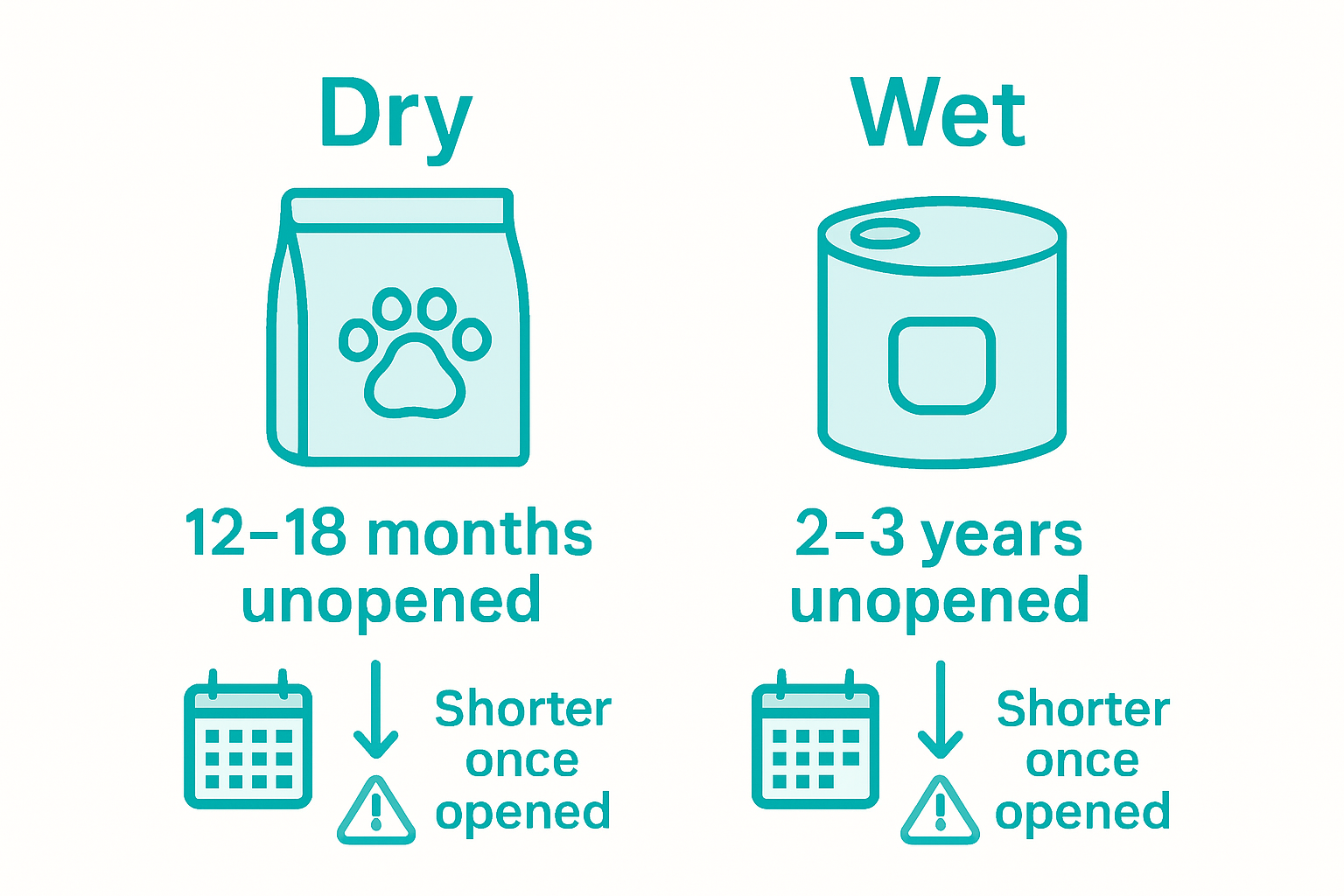
Storage conditions play a crucial role in extending dog food’s shelf life. Proper storage techniques can significantly impact food quality and safety. Always store dog food in cool, dry environments, using airtight containers that protect against moisture and pest intrusion. Direct sunlight, high temperatures, and humid conditions can accelerate food degradation, potentially compromising nutritional value and introducing health risks. Pay close attention to packaging seals, avoid cross-contamination, and monitor food for signs of spoilage such as unusual odours, discolouration, or visible mould.
Understanding the nuanced differences between food types helps pet owners make informed nutritional choices. While dry kibble offers longer preservation, wet food provides enhanced palatability and moisture content. The key is balanced selection, proper storage, and regular inspection to ensure your canine companion receives fresh, high-quality nutrition that supports their health and wellbeing.
How Expiry Dates Are Determined
Expiry dates represent a complex scientific process involving multiple critical factors beyond simple calendar calculations. Research reveals that the ‘best by’ date on dog food packaging indicates the period of peak nutritional quality, not an absolute cut-off point for consumption. Manufacturers meticulously evaluate ingredient stability, preservation techniques, and potential degradation to establish these crucial timelines.
The determination of expiry dates involves comprehensive testing of multiple variables. Protein composition, fat content, moisture levels, and preservative effectiveness all play significant roles in calculating nutritional longevity. Our premium dog food formulations undergo rigorous scientific analysis to ensure optimal nutrient retention. Manufacturers conduct accelerated aging studies, simulating environmental conditions to predict how ingredients will break down over time, helping them establish precise recommended consumption windows.
External environmental factors substantially influence food preservation and expiry calculations. Temperature, humidity, packaging integrity, and exposure to light can dramatically accelerate or decelerate nutritional degradation. Professional food scientists use sophisticated testing protocols that expose dog food samples to various conditions, tracking chemical changes, nutritional value reduction, and potential bacterial growth. These comprehensive assessments help create conservative estimates that prioritise canine health and nutritional integrity.
Ultimately, expiry dates serve as guidance rather than absolute rules. Responsible pet owners should combine manufacturer recommendations with personal observation, checking for signs of spoilage such as unusual odours, colour changes, or textural modifications. Our commitment to using gentle cooking processes at 82°C and selecting high-quality, human-grade ingredients ensures that our dog food maintains exceptional nutritional standards throughout its recommended consumption period.
Recognising Signs of Spoiled Dog Food
Research indicates that identifying spoiled dog food is crucial for preventing potential health risks to your canine companion. Sensory examination plays a pivotal role in determining food safety, with multiple warning signs that responsible pet owners should vigilantly monitor. Rancid odours, unusual colour changes, and textural modifications serve as critical indicators that dog food may have degraded beyond safe consumption levels.
Dry kibble presents specific spoilage characteristics that require careful inspection. Potential signs of deterioration include clumping, unusual moisture, visible mould growth, and the presence of insects. Understanding dog foods to avoid becomes essential when assessing nutritional safety. Our premium kibble, gentle cooked at 82°C, incorporates advanced preservation techniques that minimise these risks, but external storage conditions remain paramount in maintaining food integrity.
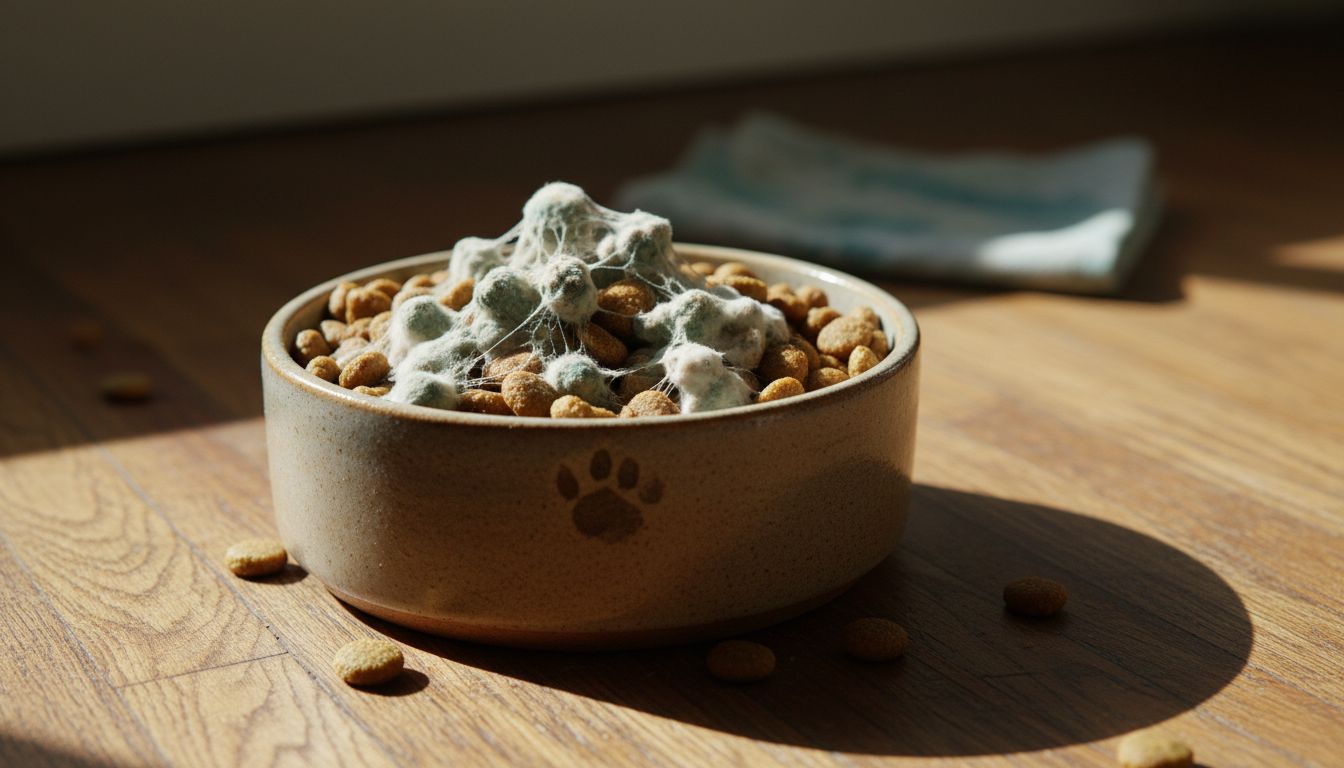
Beyond visual and olfactory assessments, pet owners should consider environmental factors that accelerate food degradation. Exposure to heat, humidity, and direct sunlight can rapidly compromise nutritional quality and safety. Always store dog food in cool, dry environments using airtight containers. Pay particular attention to sealed packaging, checking for signs of damage, bulging, or unexpected compromise. If any doubt exists about the food’s condition, the golden rule remains simple: when in uncertainty, discard the food to protect your dog’s health.
Responsible dog nutrition requires constant vigilance. Watch for your dog’s behavioural changes when introducing food, such as reluctance to eat, digestive issues, or unusual reactions. Our commitment to using high-quality, human-grade ingredients ensures that our dog food maintains exceptional standards, but personal inspection remains an irreplaceable component of responsible pet care.
Health Risks of Feeding Expired Dog Food
Research confirms that feeding expired dog food can introduce significant health risks to your canine companion. Bacterial contamination represents the most immediate danger, with spoiled food potentially harbouring harmful microorganisms that can cause severe digestive complications. Expired dog food undergoes chemical changes that compromise its nutritional integrity, potentially leading to malnutrition and weakened immune system responses.
The potential health consequences extend beyond simple digestive discomfort. Dog food ingredients to avoid become even more critical when considering expired products. Rancid fats can produce toxic compounds called lipid peroxides, which may cause cellular damage and inflammatory responses. Protein degradation occurs as food ages, reducing the nutritional value and potentially creating harmful breakdown products that strain your dog’s metabolic systems.
Dogs with pre-existing health conditions face heightened risks from consuming expired food. Puppies, senior dogs, and those with compromised immune systems are particularly vulnerable to potential foodborne illnesses. Symptoms of food-related health issues can range from mild digestive upset to more severe conditions like pancreatitis, kidney stress, and systemic infections. Our premium kibble, gentle cooked at 82°C, incorporates advanced preservation techniques that minimise these risks, but vigilant monitoring remains crucial for responsible pet nutrition.
Responsible pet ownership demands proactive approaches to food safety. Watch for signs of potential food-related illness, including persistent vomiting, diarrhoea, lethargy, or sudden changes in appetite. Our commitment to using high-quality, human-grade ingredients ensures exceptional nutritional standards, but personal vigilance remains an irreplaceable aspect of maintaining your dog’s health and wellbeing.
Best Storage Practices for Longevity
Prolonging dog food freshness requires strategic storage techniques that protect nutritional integrity and prevent bacterial contamination. Container selection plays a crucial role in maintaining food quality, with dog food storage solutions offering specialised protection against environmental degradation. Optimal storage involves selecting airtight containers made from food-grade materials that shield kibble from moisture, oxygen, and temperature fluctuations.
Environmental factors significantly impact dog food preservation. Temperature and humidity represent critical considerations, with ideal storage conditions involving cool, dry spaces away from direct sunlight. Extreme temperatures can accelerate nutrient breakdown and promote bacterial growth. Our premium kibble, gentle cooked at 82°C, incorporates advanced preservation techniques, but proper storage remains essential for maintaining its exceptional nutritional profile. Avoid storing dog food in garages, near heating sources, or in areas with substantial temperature variations.
Practical storage strategies extend beyond container selection. Implement a first-in, first-out approach, rotating food stock to ensure consistent freshness. Always keep original packaging inside storage containers to maintain tracking information and batch details. Seal containers tightly after each use, minimising air exposure. Clean storage containers regularly to prevent residual oil accumulation and potential rancidity. Pay particular attention to measuring cups and scoops, washing them thoroughly to prevent cross-contamination and bacterial growth.
Responsible pet nutrition demands vigilant storage practices. Monitor food for signs of degradation, checking regularly for unusual odours, colour changes, or textural modifications. Our commitment to using high-quality, human-grade ingredients ensures superior nutritional standards, but personal attention remains crucial in maintaining your dog’s dietary health. By implementing these comprehensive storage techniques, you can significantly extend your dog food’s longevity and preserve its critical nutritional value.
Ensure Your Dog’s Food Is Always Fresh and Nutritious
Feeding your dog expired or poorly stored food can threaten their health and wellbeing. The article highlights the risks of rancid fats, bacterial contamination, and nutrient loss that come with expired dog food. Your dog deserves better. Discover our range of premium, natural options like Dry Dog Food | Grain-Free & Science-Backed Kibble – Ultimate Pet Foods designed to maintain optimal nutrition thanks to gentle cooking and quality ingredients.
Make the switch today to foods formulated for freshness and lasting quality. Explore our selection of Chicken Dog Food : Healthy & Natural | Ultimate Pet Foods or delve into our full offer at Ultimate Pet Foods to find tailored nutrition solutions that help keep your dog safe from the dangers of expired food. Act now and give your canine companion the fresh, wholesome diet they deserve.
Frequently Asked Questions
Does dog food expire after the ‘best by’ date?
The ‘best by’ date on dog food indicates peak nutritional quality rather than a hard expiry. While the food may still be safe to consume shortly after this date, its nutritional value may begin to decline.
How long does dry dog food last compared to wet dog food?
Unopened dry dog food typically lasts 12-18 months, while opened dry kibble should be consumed within 4-6 weeks. Wet dog food, however, must be used within 48 hours after opening to prevent spoilage.
What are the signs that dog food has gone bad?
Signs of spoiled dog food include unusual odours, colour changes, clumping, visible mould, or any presence of bugs. If you notice any of these indicators, it’s best to discard the food.
What are the health risks of feeding expired dog food?
Feeding expired dog food can lead to bacterial contamination, which may cause digestive issues. Additionally, rancid fats and degraded proteins in expired food can lead to more severe health problems, especially in vulnerable dogs.
Recommended
- Understanding Dog Foods to Avoid for Optimal Health – Ultimate Pet Foods
- How to Store Dog Food Naturally for Freshness and Safety – Ultimate Pet Foods
- 7 Key Insights on Dog Food Recalls 2025 Every Owner Should Know – Ultimate Pet Foods
- Complete Guide to Dog Food Storage Containers
- Reviewing Expiry Dates: Best Practices for 2025 in Canada - Probe IT