
Is Gluten Bad for Dogs? Facts Every Owner Needs
Choosing the right diet for your dog can feel confusing, especially when digestive upsets or unexplained itchiness become a frequent concern. Many pet owners across the United Kingdom are now questioning whether grains and gluten play a role in their dog’s well-being. Understanding the difference between grain-free and gluten-free diets empowers you to make choices that genuinely support your dog’s health, especially if your companion suffers from sensitivities or breed-related conditions.
Table of Contents
- Defining Gluten in Dog Nutrition
- Gluten Sensitivity and Allergies in Dogs
- Symptoms and Breeds Prone to Gluten Issues
- Veterinary Diagnosis and Treatment Approaches
- Grain-Free and Gluten-Free Diets Compared
- Choosing the Best Food for Sensitive Dogs
Key Takeaways
| Point | Details |
|---|---|
| Understanding Gluten | Gluten is a complex protein found in grains like wheat, rye, and barley, which serves as a binding agent in dog foods. Awareness of its effects can help in managing dogs’ dietary needs and sensitivities. |
| Breed-Specific Sensitivities | Certain breeds such as Border Terriers and Irish Setters are more prone to gluten sensitivity, exhibiting varying symptoms that necessitate veterinary assessment. |
| Diagnosis and Treatment | Effective diagnosis requires comprehensive veterinary evaluation, including antibody tests and elimination diet trials. A gluten-free diet can significantly improve symptoms for affected dogs. |
| Grain-Free vs Gluten-Free | Grain-free diets eliminate all grains, whereas gluten-free diets only remove gluten-containing grains. Consult a veterinary nutritionist to determine the most appropriate dietary choice for individual dogs. |
Defining Gluten in Dog Nutrition
Gluten is a complex protein found in many grains that plays a significant role in dog nutrition and potential dietary sensitivities. Protein composition in grains reveals gluten is primarily composed of two main protein groups: gliadin and glutenin, which are naturally present in wheat, rye, barley, and spelt.
Understanding gluten’s molecular structure helps dog owners comprehend its potential impacts on canine health. Here are key characteristics of gluten in dog nutrition:
- Primarily found in wheat-based products
- Serves as a protein and binding agent in many dog foods
- Can trigger sensitivity in certain dog breeds
- Contributes to food texture and ingredient cohesion
Some dog breeds demonstrate more pronounced reactions to gluten. Breed-specific gluten sensitivities have been observed, with notable examples including digestive disorders in Irish Setters and neurological symptoms in Border Terriers. These breed-specific responses highlight the importance of understanding individual dog nutritional needs.
Gluten’s role in dog food extends beyond mere protein content. Manufacturers often use gluten to help maintain food shape, provide structural integrity, and enhance nutritional profiles. However, for dogs with specific sensitivities, alternative protein sources might be more appropriate.
Pro tip: Consult with your veterinarian to determine whether your specific dog breed might benefit from a gluten-free diet based on individual health requirements.
Gluten Sensitivity and Allergies in Dogs
Understanding gluten sensitivity in dogs requires careful examination of the complex relationship between dietary proteins and canine immune responses. Food allergy diagnostic approaches reveal that food allergies and intolerances are often misunderstood by pet owners.
Key characteristics of gluten sensitivity in dogs include:
- Rare but potentially significant immune response
- Varying symptoms across different dog breeds
- Potential digestive and neurological manifestations
- Requires professional veterinary diagnosis
Research indicates that gluten sensitivity is not a uniform condition. Canine gluten sensitivity testing demonstrates that approximately 39% of tested dogs showed potential sensitivity, with specific breeds like French Bulldogs, German Shepherds, and Labrador Retrievers being more susceptible.
Breed-specific reactions can manifest through various symptoms, including digestive disturbances, skin conditions, and neurological signs. Unlike human celiac disease, canine gluten sensitivity presents a more nuanced clinical picture that requires individualised veterinary assessment.

Pet owners should be cautious about self-diagnosing gluten allergies, as many symptoms can overlap with environmental allergies or other dietary sensitivities. Professional testing and comprehensive dietary history are crucial for accurate diagnosis.
Pro tip: Always consult a veterinary professional for comprehensive allergy testing rather than relying on internet research or anecdotal evidence.
Symptoms and Breeds Prone to Gluten Issues
Gluten sensitivity in dogs presents a complex clinical picture with breed-specific manifestations that require careful veterinary investigation. Canine gluten-sensitive disorders reveal distinct patterns of symptoms across different dog breeds.
Key breeds demonstrating gluten-related health issues include:
- Border Terriers: neurological movement disorders
- Irish Setters: digestive system complications
- German Shepherds: potential immune system responses
- Labrador Retrievers: intermittent digestive sensitivities
Neurological symptoms in Border Terriers can be particularly challenging, with conditions like epileptoid cramping syndrome causing involuntary movements triggered by stress. These manifestations often include dystonia and chorea, which can significantly impact a dog’s quality of life.
Border Terrier health research indicates that gluten-sensitive dogs may experience a range of symptoms beyond traditional digestive issues. Irish Setters, for instance, typically develop chronic diarrhea, weight loss, and growth retardation around six months of age, highlighting the importance of early dietary intervention.
Clinical observations suggest that symptoms can vary widely, making professional diagnosis crucial. Pet owners should be vigilant about tracking persistent health changes and consult veterinary professionals for comprehensive assessment.
Here’s a summary of how gluten sensitivity presents in key dog breeds:
| Dog Breed | Main Symptoms | Age of Onset | Notable Diagnostic Feature |
|---|---|---|---|
| Border Terrier | Neurological movement issues | Any age | Epileptoid cramping syndrome signs |
| Irish Setter | Chronic diarrhoea, weight loss | Around 6 months | Stunted growth, prolonged digestive disturbances |
| German Shepherd | Immune system involvement | Varies | Increased likelihood of recurrent allergies |
| Labrador Retriever | Intermittent digestive upset | Varies | Periodic gastrointestinal discomfort |
Pro tip: Document your dog’s specific symptoms meticulously, including frequency, duration, and potential triggers, to help veterinarians develop an accurate diagnostic approach.
Veterinary Diagnosis and Treatment Approaches
Diagnosing gluten sensitivity in dogs requires a comprehensive and systematic approach that goes beyond simple observation. Diagnostic strategies for gastrointestinal disorders involve multiple clinical investigation techniques to rule out alternative causes and confirm potential gluten-related issues.
Key diagnostic approaches include:
- Comprehensive medical history assessment
- Detailed clinical examination
- Antibody testing
- Elimination diet trials
- Potential intestinal biopsies
- Serological antibody level monitoring
Veterinary diagnostic protocols typically involve a multi-step process to eliminate other potential health conditions. Blood tests can detect specific antibodies like anti-transglutaminase and anti-gliadin, which provide crucial insights into potential gluten sensitivity.
Border Terrier gluten sensitivity research demonstrates that treatment primarily focuses on implementing a strict gluten-free diet. This approach has shown significant improvements in symptom management, with careful monitoring of clinical signs and antibody levels to track progress.
Successful treatment requires ongoing collaboration between pet owners and veterinary professionals, ensuring comprehensive management of potential gluten-related health challenges.
Pro tip: Maintain a detailed symptom journal to help your veterinarian track potential dietary sensitivities and response to treatment interventions.
Grain-Free and Gluten-Free Diets Compared
Pet owners navigating dietary choices for dogs often encounter confusion between grain-free and gluten-free nutritional approaches. Understanding grain-free diets requires distinguishing between these two distinct dietary strategies that are frequently misunderstood.
Key differences between grain-free and gluten-free diets include:
- Grain-free diets eliminate all grains completely
- Gluten-free diets remove only gluten-containing grains
- Grain-free diets often use alternative carbohydrate sources
- Gluten-free diets may still contain non-gluten grains
- Nutritional balance varies between both approaches
- Individual dog’s health needs determine dietary suitability
A grain-free diet typically replaces traditional grains with alternative carbohydrate sources like sweet potatoes, peas, or legumes. In contrast, a gluten-free diet focuses specifically on removing wheat, barley, rye, and related proteins while potentially retaining other grain types.
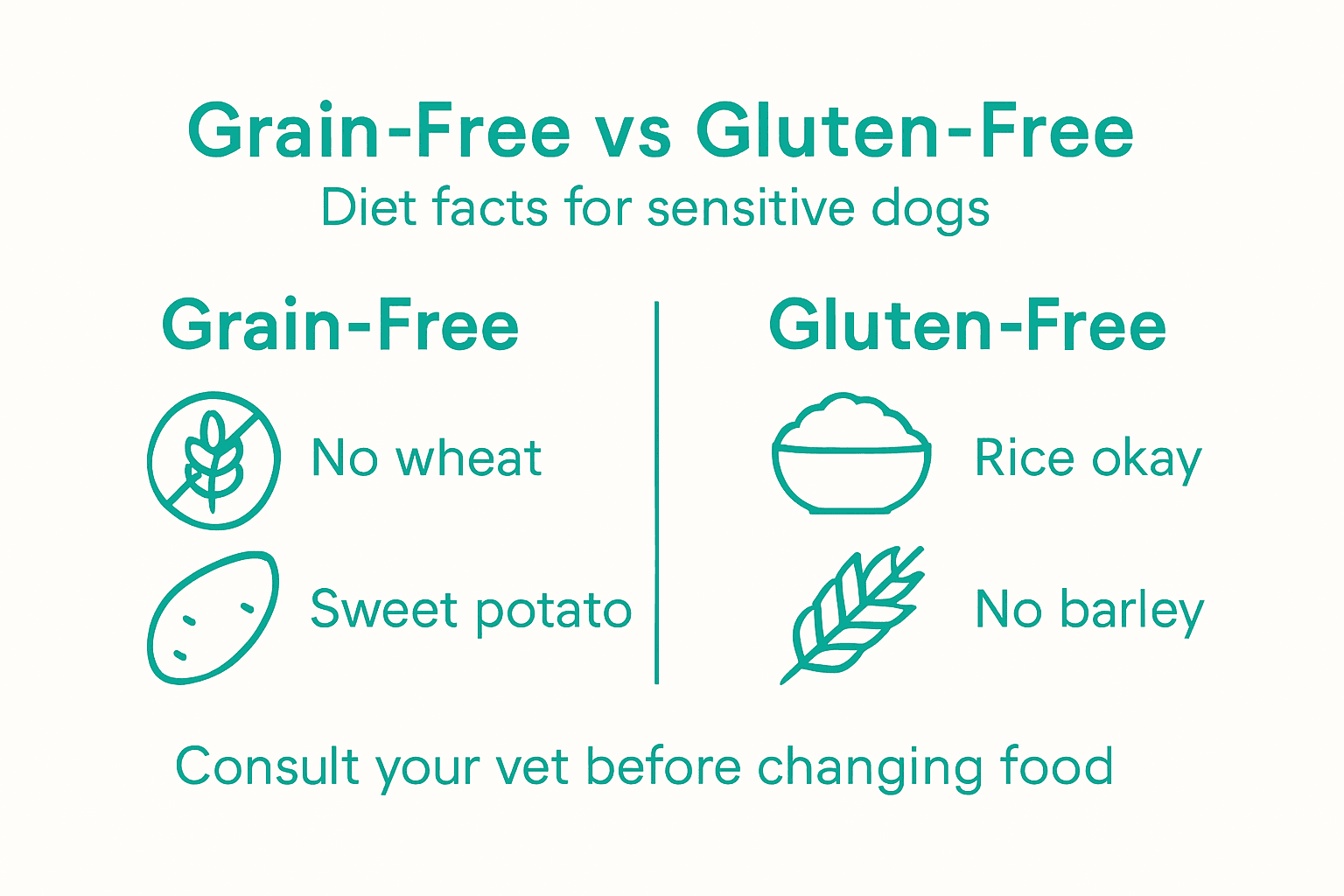
Nutritional considerations are paramount when selecting either dietary approach. Some dogs may benefit from grain-free diets, particularly those with specific sensitivities, while others might require a more nuanced gluten-specific elimination strategy. Professional veterinary guidance remains crucial in making these dietary decisions.
Below is a comparison of grain-free and gluten-free diets for dogs:
| Aspect | Grain-Free Diet | Gluten-Free Diet |
|---|---|---|
| Grain Inclusion | All grains excluded | Only gluten grains excluded |
| Main Carbohydrates | Sweet potatoes, legumes, peas | Rice, oats, maize, potato |
| Suitable for | Non-grain allergies, sensitivities | Dogs intolerant to gluten |
| Key Nutritional Risk | Possible lack of some vitamins | Risk of imbalance if not tailored |
Pro tip: Consult with a veterinary nutritionist to determine the most appropriate dietary approach tailored to your individual dog’s specific health requirements and nutritional needs.
Choosing the Best Food for Sensitive Dogs
Understanding dog food for sensitive dogs requires a comprehensive approach to dietary management that considers individual health requirements. Selecting the right nutrition involves careful assessment of a dog’s specific sensitivities and nutritional needs.
Key considerations for choosing food for sensitive dogs include:
- Identifying specific allergen triggers
- Consulting veterinary nutritional experts
- Selecting limited ingredient diets
- Monitoring digestive and overall health responses
- Gradually introducing new food sources
- Prioritising high-quality protein sources
Dietary elimination strategies play a crucial role in managing food sensitivities. Diet management for dogs emphasises the importance of systematic approach to identifying and addressing potential nutritional challenges.
Professional veterinary guidance remains essential in navigating complex dietary requirements. Some dogs may require specialised diets that eliminate specific proteins or carbohydrates, while others might benefit from hydrolysed protein formulations designed to reduce allergenic potential.
Pro tip: Keep a detailed food and symptom diary to help your veterinarian precisely identify and manage your dog’s dietary sensitivities.
Discover the Perfect Grain-Free Nutrition for Your Dog’s Unique Needs
If you have concerns about gluten sensitivity or specific dietary challenges highlighted in the article “Is Gluten Bad for Dogs? Facts Every Owner Needs” it is essential to find dog food tailored to your pet’s health. Many dogs experience gluten-related issues such as digestive upset or neurological symptoms and require careful selection of their daily nutrition to support overall wellbeing. Choosing a trusted, natural, and grain-free option can reduce risk and provide peace of mind.

Explore our complete range of natural, grain-free dog foods designed to meet sensitive dietary requirements and promote optimal health. Whether you are caring for a young pup or a senior dog, our Try Our Dry Puppy Puppy Food - Optimal Health & Nutrition and Blends for our Senior Dogs offer thoughtfully crafted recipes free from gluten-containing grains. Act now to support your dog’s unique nutritional needs with trusted products from Ultimate Pet Foods. Take the first step towards better health today.
Frequently Asked Questions
Is gluten harmful to all dogs?
Gluten is not inherently harmful to all dogs; however, certain breeds may have sensitivities or allergies to gluten that could lead to health issues. It’s important to consult a veterinarian if you suspect your dog has a gluten sensitivity.
What are the symptoms of gluten sensitivity in dogs?
Symptoms of gluten sensitivity in dogs can vary but may include gastrointestinal disturbances, skin conditions, and neurological symptoms. Key breed-specific symptoms have been noted, particularly in breeds like Border Terriers and Irish Setters.
How can I determine if my dog is gluten sensitive?
To determine if your dog is gluten sensitive, consult with a veterinarian for a comprehensive evaluation, which may involve an elimination diet, antibody testing, and a detailed medical history.
What should I feed my dog if it has gluten sensitivity?
If your dog has gluten sensitivity, consider feeding a gluten-free diet that excludes gluten-containing grains like wheat, barley, and rye. Work with your veterinarian to determine the best dietary options tailored to your dog’s specific needs.
Recommended
- What Ingredients to Avoid in Dog Food for Healthier Pups – Ultimate Pet Foods
- 7 Expert Tips for Choosing Allergen Free Dog Foods
- Are Grains Bad for Dogs? Key Impacts Explained
- Understanding Dog Foods to Avoid for Optimal Health – Ultimate Pet Foods
- Understanding Types of Dogs and Breeds for Everyone – FunLifeNow