
Grain Allergies in Dogs – Recognising Signs and Solutions
Many british dog owners are surprised to learn that only about 1% of skin diseases in dogs are actually caused by food allergies. Despite this low figure, grain sensitivities can lead to persistent itching, digestive troubles, and recurring infections that disrupt everyday life. Recognizing the unique challenges facing british pets, this guide offers clear insight into grain allergies, explains the signs to watch for, and highlights practical solutions for keeping your four-legged companion comfortable and healthy.
Table of Contents
- What Are Grain Allergies in Dogs?
- Symptoms and Diagnosis of Grain Allergies
- Breeds and Risk Factors for Sensitivities
- Grain-Free Diet Options and Benefits
- Common Pitfalls and Safer Alternatives
Key Takeaways
| Point | Details |
|---|---|
| Grain Allergies in Dogs | Dogs can have adverse reactions to certain grains, commonly manifesting as skin irritations, gastrointestinal issues, and chronic inflammation. |
| Symptoms and Diagnosis | Symptoms vary and may include intense itching, ear infections, and digestive disturbances; diagnosis often involves a controlled elimination diet. |
| Breeds and Risk Factors | Certain breeds like German Shepherds and Retrievers may be more susceptible to grain allergies due to genetic predispositions and individual factors. |
| Dietary Considerations | Grain-free diets may not be universally beneficial, and professional guidance is essential to avoid potential nutritional imbalances and health risks. |
What Are Grain Allergies in Dogs?
Grain allergies in dogs represent a specific type of adverse food reaction where the immune system mistakenly identifies certain grain proteins as harmful, triggering an inflammatory response. Unlike general food sensitivities, these allergic reactions involve a complex immunological mechanism that can manifest through various clinical symptoms. Food allergies in pets occur when the immune system overreacts to specific food ingredients, with grains being potential triggers for some canines.
While not as prevalent as protein-based allergies, grain allergies can cause significant discomfort for dogs. Wheat, barley, and rice are common grain sources that might provoke immune responses in sensitive animals. Scientific research suggests that diagnosed food allergies represent a small percentage of overall canine health issues, with approximately 1% of skin diseases in dogs linked to food-related allergic reactions.
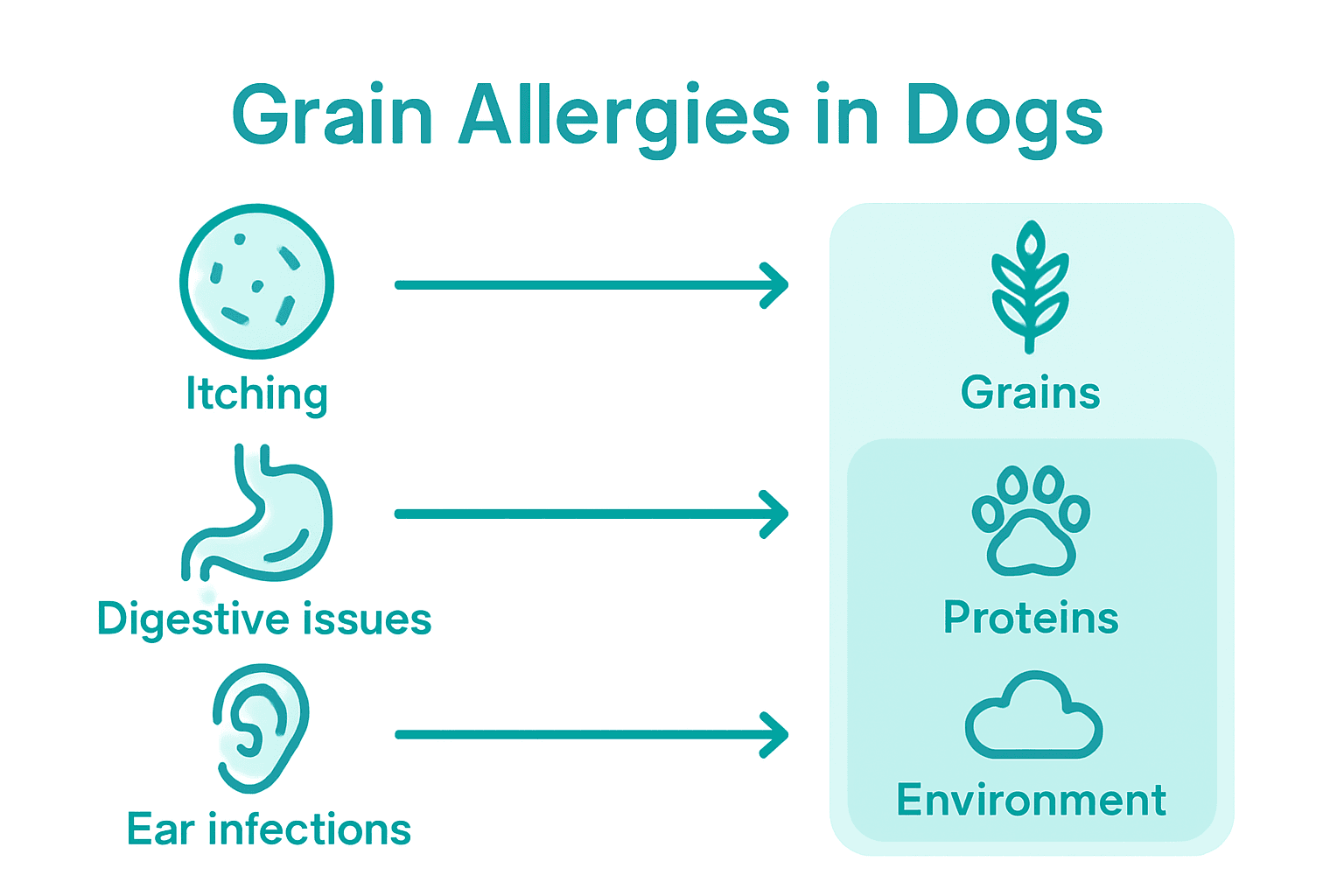
The mechanisms behind grain allergies involve the dog’s immune system misidentifying specific grain proteins as threats. When a dog with a grain allergy consumes these ingredients, their body initiates an immune response, producing antibodies that cause inflammation. This process can lead to multiple symptoms, including skin irritations, gastrointestinal disturbances, and chronic inflammatory conditions. Key indicators might include persistent itching, recurring ear infections, digestive problems, and unexplained skin rashes.
Pro Tip - Allergy Detection: Maintain a detailed food diary tracking your dog’s diet and any adverse reactions, which can help veterinarians more accurately diagnose potential grain-related sensitivities and develop targeted nutritional strategies.
Symptoms and Diagnosis of Grain Allergies
Grain allergies in dogs present a complex array of symptoms that can significantly impact their overall health and quality of life. Common signs include intense itching, particularly around sensitive areas such as paws, ears, groin, and armpits, which often leads to red, inflamed skin and potential hair loss. These dermatological manifestations are frequently accompanied by digestive disturbances, creating a multi-system allergic response that requires careful veterinary investigation.
The diagnostic process for grain allergies involves a comprehensive and methodical approach. Veterinary professionals typically begin with a detailed medical history and physical examination, followed by targeted diagnostic strategies. The most common diagnostic technique involves conducting an elimination diet to systematically identify the specific grain triggering the allergic response. During this process, dogs are placed on a strictly controlled diet featuring novel protein sources and alternative carbohydrate ingredients, allowing veterinarians to observe and document any changes in clinical symptoms.
Beyond skin and digestive issues, grain allergies can manifest through various less obvious symptoms. These might include recurring ear infections, respiratory challenges like occasional coughing or sneezing, and unexplained changes in energy levels or mood. Some dogs may experience chronic gastrointestinal problems, including persistent diarrhoea, excessive gas, and intermittent vomiting. These varied symptoms underscore the importance of comprehensive veterinary assessment and individualised diagnostic approaches.
Pro Tip - Symptom Tracking: Create a detailed symptom journal documenting your dog’s diet, environmental factors, and specific allergic reactions, which will provide veterinarians with crucial insights for accurate diagnosis and targeted treatment strategies.
Below is a comparison of common grain allergy symptoms and their possible alternative causes in dogs, assisting in distinguishing true grain allergies from other issues:
| Symptom | Possible Cause Other Than Grains | Distinguishing Feature |
|---|---|---|
| Itchy skin | Environmental allergens | Worse seasonally, not food-related |
| Ear infections | Yeast or bacterial overgrowth | Persistent despite diet change |
| Digestive disturbances | Parasites or bacterial imbalance | Accompanied by acute illness signs |
| Hair loss | Flea allergy or hormonal disorder | Limited to specific body regions |
Breeds and Risk Factors for Sensitivities
Dog breed predispositions to grain allergies represent a nuanced and complex aspect of canine health. While specific breed-related data remains limited, certain genetic factors can influence a dog’s likelihood of developing food sensitivities, highlighting the importance of individualised nutritional approaches. Breed susceptibility varies widely, with some genetic lines demonstrating increased vulnerability to inflammatory responses triggered by specific dietary components.

Interestingly, environmental factors and individual genetic predispositions play significant roles in the development of food allergies, rather than breed alone being a definitive predictor. Certain breeds known for potentially higher sensitivities include German Shepherds, Retrievers, Soft-Coated Wheaten Terriers, and Boxers. These breeds may exhibit more pronounced immune system reactions to dietary proteins and grains, making them more likely to develop allergic responses.
Beyond breed-specific considerations, individual dogs can develop grain sensitivities at any life stage. Factors such as early dietary exposure, immune system development, and environmental stressors contribute to allergy susceptibility. Veterinary nutritionists emphasise that while some breeds might demonstrate higher predispositions, careful observation and personalised dietary management remain crucial for preventing and managing potential allergic reactions.
Pro Tip - Breed Monitoring: Conduct regular veterinary check-ups and maintain a detailed health journal to track potential dietary sensitivities, enabling early detection and proactive nutritional interventions for your dog’s specific genetic profile.
Grain-Free Diet Options and Benefits
Grain-free pet food alternatives have emerged as a significant nutritional option for dogs with specific dietary requirements. Alternative carbohydrate sources play a crucial role in these diets, replacing traditional grains with innovative ingredients like pulses, legumes, and root vegetables. These alternatives provide essential energy sources while potentially minimising inflammatory responses associated with grain consumption, offering a comprehensive nutritional approach for sensitive dogs.
The composition of grain-free diets typically involves substituting conventional grains such as wheat, corn, and rice with nutrient-dense alternatives like chickpeas, lentils, sweet potatoes, and other complex carbohydrate sources. While grain-free diets have gained popularity, veterinary nutritionists emphasise the importance of consulting professional guidance before making significant dietary changes. Each dog’s nutritional needs vary, and a balanced approach considering individual health requirements remains paramount.
Nutritional diversity represents a key advantage of grain-free diets. By incorporating alternative protein sources and carbohydrate ingredients, these diets can potentially support improved digestive health, enhanced nutrient absorption, and reduced inflammatory responses. Pet owners should focus on high-quality, carefully formulated grain-free options that provide comprehensive nutritional profiles, ensuring their dogs receive balanced and appropriate dietary support throughout different life stages.
Here is a summary of alternative carbohydrate sources often used in grain-free dog diets and their key nutritional benefits:
| Alternative Ingredient | Example Benefit | Common Grain Replaced |
|---|---|---|
| Sweet potato | High in fibre, vitamin A | Wheat, rice |
| Chickpeas | Plant protein and iron | Barley, corn |
| Lentils | Slow-release carbohydrates | Rice, wheat |
| Peas | Source of B vitamins | Oats, corn |
Pro Tip - Dietary Transition: Introduce any new diet gradually, mixing the new grain-free food with existing nutrition over 7-10 days to minimise digestive disruption and allow your dog’s system to adapt smoothly.
Common Pitfalls and Safer Alternatives
A widespread misconception in canine nutrition involves assuming grain-free diets are universally beneficial for dogs with allergies, when scientific evidence suggests a more nuanced reality. Dietary assumptions can lead well-intentioned pet owners to make potentially harmful nutritional choices without understanding the complex underlying mechanisms of canine food sensitivities. Most dogs actually experience allergic reactions to meat proteins rather than grains, challenging the prevalent narrative surrounding grain elimination.
The potential risks of inappropriately implemented grain-free diets extend beyond simple nutritional misunderstandings. Veterinary research has demonstrated a concerning correlation between prolonged grain-free feeding and increased risks of heart disease, specifically Dilated Cardiomyopathy. This underscores the critical importance of professional dietary guidance, as eliminating entire food groups without comprehensive understanding can lead to significant health complications. Nutritional balance requires sophisticated approaches that consider individual dog’s unique metabolic requirements, genetic predispositions, and specific health conditions.
Navigating food sensitivities demands a strategic and informed approach. Instead of implementing blanket dietary restrictions, pet owners should focus on identifying specific ingredient triggers through systematic veterinary assessment. This might involve controlled elimination diets, comprehensive allergy testing, and gradual reintroduction of carefully selected nutritional components. High-quality, scientifically formulated dog foods that offer targeted nutritional support can provide safer alternatives to extreme dietary modifications.
Pro Tip - Nutrition Strategy: Collaborate closely with a veterinary nutritionist to develop a personalised dietary plan that addresses your dog’s specific sensitivities while maintaining optimal nutritional balance and supporting long-term health.
Support Your Dog’s Health With Grain-Free Nutrition
Managing grain allergies in dogs means recognising the signs and making thoughtful nutritional choices that ease discomfort and promote long-term wellbeing. If your dog experiences itchy skin, digestive troubles or recurring ear infections due to grain sensitivities, choosing natural, hypoallergenic food tailored to their needs is essential. Grain-free diets focussing on alternative carbohydrate sources can reduce inflammatory responses and support your dog’s digestion, skin, and overall vitality.

Discover our carefully crafted Small Breed Grain Free Dog Food | Freshly Prepared & Natural – Ultimate Pet Foods selection designed for sensitive dogs. Each recipe is made from fresh ingredients to help relieve allergy symptoms and restore balance. Visit Ultimate Pet Foods today and take the first step towards personalised, allergy-friendly nutrition that your dog deserves. Act now to provide your beloved companion with the comfort and health benefits of a truly natural diet.
Frequently Asked Questions
What are the common symptoms of grain allergies in dogs?
Common symptoms include intense itching, skin irritations, recurring ear infections, and digestive disturbances such as diarrhoea and vomiting. These can significantly impact your dog’s quality of life.
How can I diagnose if my dog has a grain allergy?
Diagnosis typically involves a veterinary professional conducting a detailed medical history, physical examination, and implementing an elimination diet to identify specific grain triggers through careful monitoring of symptoms and dietary changes.
Are certain dog breeds more prone to grain allergies?
Yes, some breeds, such as German Shepherds and Retrievers, may exhibit a higher susceptibility to grain allergies due to genetic factors. Individual dogs can develop sensitivities at any age, so monitoring is essential.
What should I consider when transitioning my dog to a grain-free diet?
Introduce any new grain-free diet gradually over 7-10 days, mixing it with your dog’s existing food to minimise digestive disruptions. Consult with a veterinary nutritionist to ensure the new diet meets your dog’s nutritional needs.