
Feeding a Diabetic Dog – Healthier Lives Naturally
More than 30 percent of British households own a dog, yet few realize how common diabetes has become among our canine companions. This chronic condition can affect any breed, age, or size, and if left unmanaged, it can threaten your pet’s quality of life. By understanding the signs of diabetes in dogs and knowing how nutrition choices can help, you can give your British pup a better chance at long-term wellness and happiness.
Table of Contents
- Understanding Diabetes In Dogs
- Key Principles For Diabetic Dog Diets
- Grain-Free And Natural Food Benefits
- Safe Treats And Foods To Include
- Risks And Foods To Avoid With Diabetes
Key Takeaways
| Point | Details |
|---|---|
| Understanding Diabetes | Canine diabetes is a chronic condition requiring dietary management, medication, and veterinary oversight. Symptoms include increased thirst, frequent urination, and sudden weight loss. |
| Dietary Management | A balanced diet featuring low-fat, high-fibre, and complex carbohydrates is crucial for stabilising blood glucose levels in diabetic dogs. Consistent feeding schedules alongside insulin administration are essential. |
| Safe Treats and Foods | Treats should be low-glycemic and protein-rich, such as boiled chicken and steamed vegetables, to avoid blood sugar spikes. Portion control is vital for managing overall caloric intake. |
| Foods to Avoid | High-carbohydrate, sugary, and processed foods can disrupt insulin sensitivity and exacerbate diabetes. Owners must avoid refined sugars, sugary fruits, and high-fat meats. |
Understanding Diabetes in Dogs
Diabetes in dogs is a complex metabolic disorder that affects their ability to regulate blood glucose effectively. Canine diabetes mellitus occurs when a dog’s pancreas cannot produce sufficient insulin or when the body becomes resistant to insulin’s effects, leading to abnormal sugar metabolism. This chronic condition requires careful management through diet, medication, and consistent veterinary monitoring.
The primary types of diabetes in dogs include Type 1 diabetes (insulin-dependent) and Type 2 diabetes (insulin-resistant), with Type 1 being more common in canines. Understanding holistic dog nutrition plays a crucial role in managing this condition. Dogs with diabetes often experience symptoms such as:
- Increased thirst and frequent urination
- Sudden weight loss despite normal eating
- Decreased energy levels
- Recurring infections
- Vision changes
Genetic predisposition, obesity, age, and underlying health conditions can contribute to diabetes development. Certain breeds like Samoyeds, Miniature Schnauzers, and Poodles have higher risks. Regular veterinary check-ups and maintaining a balanced, nutrient-rich diet are essential for managing canine diabetes and supporting your dog’s overall health and wellbeing.
Key Principles for Diabetic Dog Diets
Diabetic dogs require carefully designed nutrition strategies that help stabilise blood glucose levels and support overall metabolic health. Dog food for specific health conditions plays a critical role in managing canine diabetes effectively. The primary goal of a diabetic dog diet is to provide consistent, balanced nutrition that minimises blood sugar fluctuations while maintaining optimal body weight and supporting immune function.
Nutritional management involves several key principles recommended by veterinary nutrition experts. Consistent feeding schedules are paramount, with meals timed precisely to coincide with insulin administration. Dogs should receive measured portions at the same times each day, which helps regulate insulin response and prevent dangerous glucose spikes. High-quality protein sources are essential, as they provide steady energy without causing rapid blood sugar changes. Complex carbohydrates with low glycemic indexes help maintain stable blood glucose levels.
The recommended dietary approach for diabetic dogs typically includes:
- Low-fat, high-fibre food formulations
- Moderate protein content from easily digestible sources
- Minimal simple carbohydrates
- Controlled portion sizes
- Balanced mineral and vitamin content
Specialised diets can significantly improve diabetic dog management. Freshly prepared meals with gentle cooking techniques help preserve nutritional integrity while providing easily digestible nutrients. Regular monitoring of weight, blood glucose levels, and overall health remains crucial in developing an effective nutritional strategy for diabetic dogs.
Grain-Free and Natural Food Benefits
For diabetic dogs, selecting an appropriate diet is crucial, and understanding natural dog food ingredients can significantly impact their health management. Grain-free diets offer numerous potential benefits, particularly for dogs with specific metabolic challenges like diabetes, by providing more protein-rich, easily digestible nutrition without unnecessary carbohydrate complications.

Natural food options typically feature whole, unprocessed ingredients that support stable blood sugar levels and provide comprehensive nutritional support. High-quality protein sources like freshly prepared meats serve as primary nutritional components, offering essential amino acids without causing rapid glucose fluctuations. These diets often incorporate nutrient-dense ingredients such as sweet potatoes, lean proteins, and vegetables that provide sustained energy and support overall metabolic function.
Key advantages of grain-free and natural diets for diabetic dogs include:
- Reduced glycemic impact
- Higher protein content
- Enhanced nutrient absorption
- Fewer inflammatory responses
- Improved digestive health
- Better weight management
Carefully selected natural ingredients can help regulate insulin sensitivity and provide a more balanced nutritional profile. Gentle cooking techniques preserve nutritional integrity, ensuring that diabetic dogs receive optimal nourishment without compromising their delicate metabolic balance. Regular veterinary consultation remains essential to tailor dietary strategies to individual dog’s specific health requirements and diabetes management needs.
Safe Treats and Foods to Include
Managing a diabetic dog’s diet requires careful selection of treats and supplementary foods that support stable blood glucose levels. Homemade dog treat recipes offer an excellent opportunity to control ingredient quality and nutritional content. Low-glycemic treats are crucial for preventing sudden blood sugar spikes and maintaining consistent metabolic balance.
Protein-rich, whole food options provide the best nutritional support for diabetic dogs. Lean meats like chicken, turkey, and fish serve as excellent protein sources that help regulate blood sugar and provide sustained energy. Vegetables such as green beans, carrots, and pumpkin offer low-calorie, nutrient-dense alternatives to traditional high-carbohydrate treats. These options not only support metabolic health but also contribute to maintaining a healthy weight, which is essential for diabetes management.
Recommended safe treats for diabetic dogs include:
- Small pieces of boiled chicken
- Steamed green beans
- Bite-sized carrot segments
- Plain, low-fat cottage cheese
- Small amounts of pumpkin puree
- Lean fish pieces
- Cooked egg whites
Portion control remains critical when offering treats to diabetic dogs. Owners should consult with their veterinarian to determine appropriate treat quantities that align with their dog’s specific insulin regimen and overall nutritional needs. Carefully selected, natural treats can provide both nutritional benefits and moments of joy for diabetic dogs, supporting their health and happiness through mindful nutrition.
Risks and Foods to Avoid With Diabetes
Managing a diabetic dog’s diet requires understanding potential nutritional risks. Understanding dog foods to avoid becomes critical in preventing dangerous blood glucose fluctuations. Dietary triggers can significantly compromise a diabetic dog’s metabolic stability, potentially leading to severe health complications.
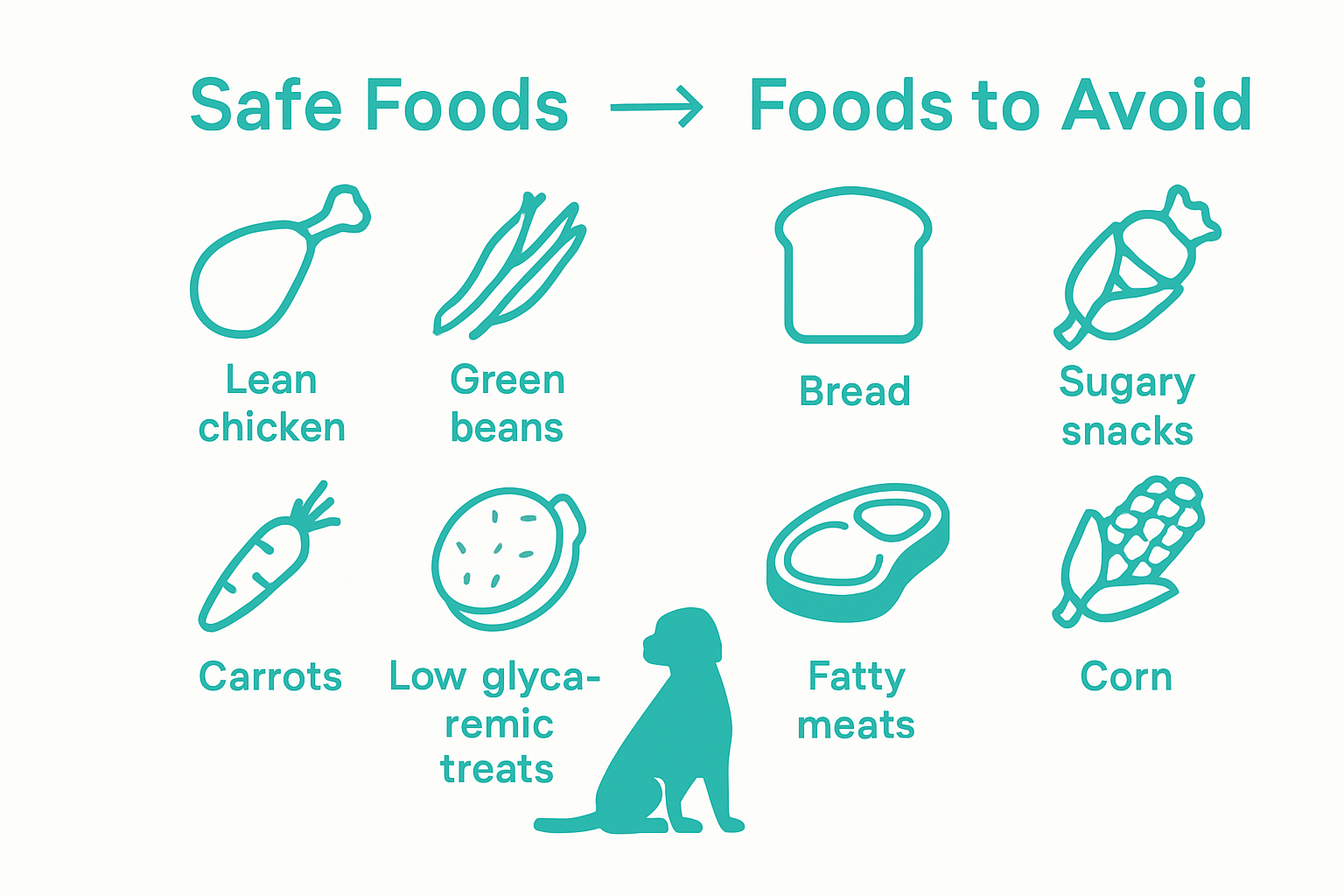
Certain foods pose substantial risks for diabetic dogs by causing rapid blood sugar spikes or introducing inflammatory responses. High-carbohydrate ingredients, sugary treats, and processed foods can disrupt insulin sensitivity and metabolic balance. Fatty meats, dairy products with high lactose content, and grains with high glycemic indexes are particularly problematic. Owners must be vigilant about avoiding foods that can exacerbate diabetes symptoms and potentially trigger more severe health challenges.
Foods and substances to strictly avoid include:
- Refined sugar and sweet treats
- Processed human foods
- White rice and wheat flour
- High-fat meat cuts
- Bread and pastries
- Sugary fruits like grapes
- Chocolate and caffeine
- Artificial preservatives
- Corn syrup and molasses
- Excessive dairy products
Consistent dietary management requires careful monitoring and proactive nutrition strategies. Understanding individual dog’s specific metabolic responses and working closely with veterinary nutritionists can help develop personalised dietary plans that minimise risks and support long-term health. Regular blood glucose testing and professional guidance remain essential in navigating the complex nutritional landscape of canine diabetes.
Support Your Diabetic Dog with Natural, Grain-Free Nutrition
Managing diabetes in dogs requires more than just medication it demands a diet that stabilises blood sugar and supports overall well-being. The challenges of feeding a diabetic dog include finding foods that are low in simple carbohydrates, rich in high-quality protein, and free from harmful additives. At Ultimate Pet Foods, our collections provide carefully crafted, grain-free blends made from fresh, natural ingredients designed to support metabolic balance and promote a healthier life for your dog.

Take control of your diabetic dog’s nutrition today with meals that align perfectly with veterinary guidance and the principles outlined for diabetic dog diets. Visit Ultimate Pet Foods now and explore our specialised blends including options that cater perfectly to older dogs on insulin under our Blends for our Senior Dogs category. Act now to give your dog the natural, balanced nutrition they deserve while benefiting from our current Discount 15% Offer for Our Sample Customers. Your dog’s health and happiness starts with the right food.
Frequently Asked Questions
What are the main symptoms of diabetes in dogs?
Diabetes in dogs commonly presents symptoms such as increased thirst and frequent urination, sudden weight loss despite normal eating, decreased energy levels, recurring infections, and changes in vision.
How should I modify my dog’s diet to manage their diabetes?
To manage a diabetic dog’s diet, provide consistent feeding schedules with measured portions, high-quality protein sources, low-fat, high-fibre food formulations, and minimal simple carbohydrates. Regular veterinary consultations are vital for tailoring individual dietary needs.
Can I give my diabetic dog treats?
Yes, you can give treats to diabetic dogs, but they must be low-glycemic and made from safe ingredients. Good options include small pieces of boiled chicken, steamed green beans, and bite-sized carrot segments. Portion control is crucial, so consult your veterinarian for recommendations.
What foods should I avoid for my diabetic dog?
Foods to avoid for diabetic dogs include refined sugars, processed human foods, high-fat meats, grains with high glycemic indexes, sugary fruits, chocolate, and excessive dairy products, as these can cause rapid blood sugar spikes and worsen their condition.
Recommended
- 7 Expert Tips for Choosing Healthy Food for Small Dogs
- Dog Food for Pancreatitis: Complete Expert Guide
- Understanding Life Stage Dog Food: Nutrition by Age – Ultimate Pet Foods
- Can Dogs Eat Bananas? | Healthy Treats Guide – Ultimate Pet Foods
- What Are Diabetic Shoes? Complete Expert Overview – YDA UK