
Dog Safe Herbs and Spices: Natural Nutrition Boost

Over 60 percent of british dog owners now choose natural, grain-free diets as part of their pet care routine. With this growing focus on holistic nutrition, many are searching for ways to safely enhance meals with herbs and spices. Learning which choices are safe and truly beneficial helps british pet lovers make informed decisions, giving dogs a nutritious boost while following UK safety standards.
Table of Contents
- Dog Safe Herbs And Spices Defined
- Popular Dog-Friendly Herbs And Spices
- Health Benefits And Nutritional Roles
- Safe Usage And Dosing Guidelines
- Risks, Toxic Seasonings, And What To Avoid
- Vet Advice And UK Safety Standards
Key Takeaways
| Point | Details |
|---|---|
| Understanding Safe Herbs | Not all herbs for human consumption are safe for dogs; consult a veterinarian before introduction. |
| Health Benefits | Herbs can provide significant nutritional support, aiding digestion, reducing inflammation, and promoting overall health. |
| Toxic Ingredients | Avoid toxic herbs such as garlic and onion, which can cause severe health issues in dogs, including anaemia. |
| Consulting Professionals | Regular veterinary consultations are crucial for developing a personalised herbal supplementation strategy for your dog’s health. |
Dog safe herbs and spices defined
Herbs and spices are not just flavourful additions to human cuisine but can also offer significant nutritional benefits for dogs when used appropriately. Understanding which herbs and spices are safe and beneficial requires careful consideration of their properties, potential interactions, and the individual dog’s health status.
Under UK regulatory frameworks, herbs are classified based on their functional properties, with specific guidelines determining their medicinal or nutritional status. Veterinary substance classifications provide critical insights into which herbs can be safely incorporated into a dog’s diet. Some herbs are considered purely nutritional, while others might be classified as medicinal substances with potential therapeutic effects.
The key considerations for determining dog-safe herbs include assessing potential toxicity, understanding appropriate dosage, and recognising individual canine sensitivities. Not all herbs that are safe for humans are automatically safe for dogs, which is why consulting veterinary professionals and conducting thorough research is crucial. Common safe herbs for dogs include parsley, basil, ginger, and turmeric, each offering unique nutritional advantages such as anti-inflammatory properties, digestive support, and antioxidant benefits.
Pro tip: Always introduce new herbs gradually and in small quantities, monitoring your dog for any adverse reactions or digestive changes.
Popular dog-friendly herbs and spices
Dogs can benefit from a carefully selected range of herbs and spices that provide nutritional support and potential health advantages. When introduced correctly, these natural ingredients can enhance a dog’s diet with minimal risk, offering flavour and functional benefits beyond standard nutrition.
The UK culinary herb guidelines highlight several herbs that are generally considered safe for canine consumption. Rosemary, for instance, contains antioxidants that may support cognitive function, while ginger can aid digestion and reduce inflammation. Parsley offers natural breath freshening properties and provides essential vitamins, and turmeric has potent anti-inflammatory characteristics that could benefit dogs with joint discomfort.
The following table provides a concise comparison of commonly used dog-safe herbs and their main nutritional roles:
| Herb | Key Nutrient/Compound | Primary Benefit | Typical Use in Diet |
|---|---|---|---|
| Parsley | Vitamins A, C, K | Freshens breath, diuretic | Finely chopped as garnish |
| Basil | Antioxidants, Vitamin K | Supports immune system | Mixed into meals lightly |
| Ginger | Gingerol, B vitamins | Aids digestion, anti-nausea | Small grated amounts |
| Turmeric | Curcumin | Anti-inflammatory support | Stirred into wet food |
| Rosemary | Carnosic acid | Antioxidant, cognitive aid | Sprinkled dry or fresh |
However, not all herbs are universally safe. Some potentially toxic herbs include garlic, onion, and chives, which can damage red blood cells and cause anaemia in dogs. Quantity and preparation method are crucial considerations. Fresh or dried herbs in small, controlled amounts are typically safer than essential oils or concentrated extracts, which can be significantly more potent and potentially harmful. Consulting with a veterinary nutritionist can provide personalised guidance on incorporating herbs into your dog’s diet safely.
Pro tip: Start with tiny quantities of any new herb and observe your dog closely for potential allergic reactions or digestive changes.
Health benefits and nutritional roles
Herbs and spices offer more than just flavour enhancement, providing significant nutritional support for dogs through their complex biochemical profiles. These natural ingredients contain powerful compounds that can contribute to overall canine health, supporting various physiological functions and potentially addressing specific nutritional needs.
Animal nutrition research demonstrates that certain herbs can play crucial roles in supporting a dog’s immune system, reducing inflammation, and promoting cellular health. Specific herbs like turmeric contain curcumin, a potent anti-inflammatory compound that may help manage chronic inflammation. Ginger supports digestive health by reducing nausea and improving gut motility, while parsley offers natural diuretic properties and can help support kidney function.
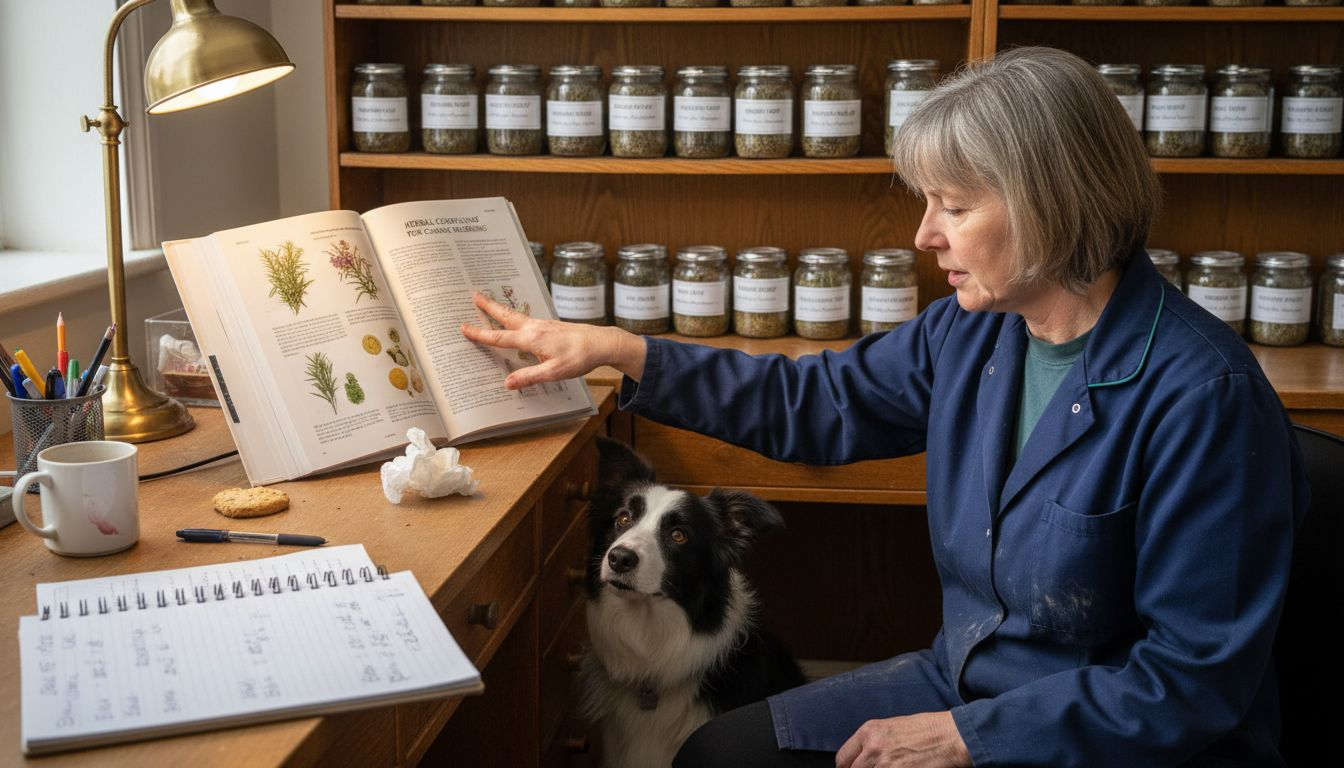
The nutritional benefits extend beyond immediate health support. Antioxidant-rich herbs such as rosemary can help combat oxidative stress, potentially supporting cognitive function and reducing age-related cellular damage. Thyme contains thymol, which has antimicrobial properties that might support the dog’s natural defence mechanisms. However, it’s essential to understand that these herbs should complement, not replace, a balanced diet, and their effectiveness can vary depending on the individual dog’s health status and metabolism.
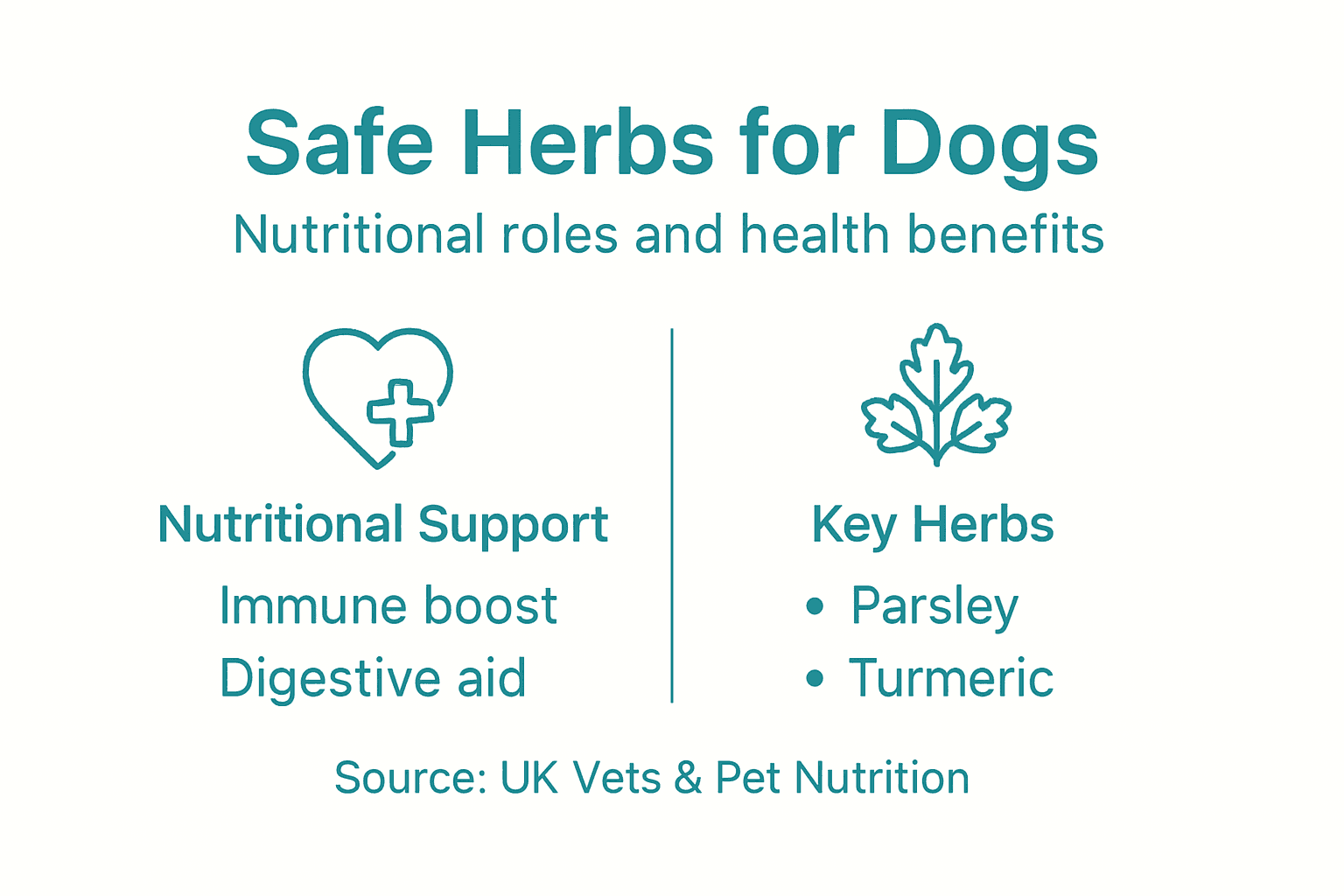
Pro tip: Consult with a veterinary nutritionist to develop a personalised herbal supplementation strategy tailored to your dog’s specific health requirements and nutritional needs.
Safe usage and dosing guidelines
Herbal supplementation for dogs requires meticulous attention to dosage, preparation, and individual health considerations. Understanding the nuanced approach to herbal administration is crucial to ensuring safety and maximising potential nutritional benefits while minimising potential risks.
Veterinary dosing research emphasises that herb dosages must be precisely calculated based on a dog’s weight, age, breed, and overall health status. Generally, smaller breeds require significantly less herbal supplementation compared to larger dogs. A standard guideline suggests starting with minimal quantities, typically 1/8 to 1/4 teaspoon of dried herbs per 4.5 kilograms of body weight, though individual herb potency can vary dramatically.
Critical safety considerations include avoiding concentrated essential oils, which can be toxic to dogs, and never substituting herbal supplements for professional veterinary treatment. Some herbs interact negatively with medications, potentially causing unexpected side effects. Fresh or dried herbs are typically safer than extract forms, and organic, human-grade herbs without pesticide contamination are recommended. Always introduce new herbs gradually, monitoring for any adverse reactions such as digestive upset, allergic responses, or changes in behaviour.
Pro tip: Keep a detailed journal documenting each herbal supplement’s introduction, tracking your dog’s response and consulting your veterinarian about any unusual symptoms or reactions.
Risks, toxic seasonings, and what to avoid
Not all herbs and seasonings are safe for canine consumption, and dog owners must be vigilant about potential toxic ingredients that could harm their pets. Understanding which substances pose significant health risks is crucial for maintaining a dog’s wellbeing and preventing potentially life-threatening complications.
Toxic food warnings highlight several dangerous herbs and seasonings that should never be included in a dog’s diet. Garlic and onions, which belong to the Allium family, are particularly harmful and can cause oxidative damage to red blood cells, potentially leading to anaemia. Nutmeg contains myristicin, a compound that can cause neurological issues, tremors, and seizures in dogs. Other dangerous seasonings include chives, leeks, and concentrated essential oils, which can be toxic even in small quantities.
Beyond specific herbs, certain preparation methods and concentrations can transform otherwise harmless ingredients into potential hazards. Dried or powdered forms of herbs can be more potent and dangerous compared to fresh versions. Salt and certain spice blends containing multiple ingredients can also pose risks, potentially causing electrolyte imbalances or digestive distress. Xylitol, a common sweetener in some herbal preparations, is extremely toxic to dogs and can cause rapid insulin release, leading to hypoglycemia and potential liver failure.
This reference table highlights high-risk seasonings and their associated dangers for dogs:
| Ingredient | Toxic Compound | Main Risk to Dogs | Severity of Exposure |
|---|---|---|---|
| Garlic | Thiosulphate | Damages red blood cells | Severe, even small amounts |
| Onion | N-propyl disulfide | Causes anaemia | Severe, cumulative effect |
| Nutmeg | Myristicin | Neurological symptoms | Very severe, low dose toxic |
| Chives | Thiosulphate | Digestive and blood issues | Moderate to severe |
| Xylitol | Xylitol | Hypoglycaemia, liver failure | Life-threatening |
Pro tip: Always consult with a veterinarian before introducing any new herbs or seasonings to your dog’s diet, and keep a comprehensive list of toxic substances readily available in your home.
Vet advice and UK safety standards
Navigating the landscape of herbal supplements for dogs requires a comprehensive understanding of veterinary guidelines and regulatory frameworks specific to the United Kingdom. Professional veterinary oversight is crucial in ensuring the safe and appropriate use of natural nutritional boosters for canine health.
UK veterinary product regulations establish rigorous standards for herbal supplements, emphasising the importance of evidence-based recommendations and precise dosage guidelines. Veterinary professionals are trained to evaluate individual dog health profiles, considering factors such as breed, age, existing medical conditions, and potential interactions with current medications before recommending herbal interventions.
The Royal Veterinary College advocates for a measured approach to herbal supplementation, recommending comprehensive health assessments and ongoing monitoring. Key considerations include verifying the source and quality of herbal ingredients, understanding potential contraindications, and recognising that what works for one dog may not be suitable for another. Veterinarians emphasise the importance of using human-grade, organic herbs from reputable sources, and warn against self-prescribing or relying on internet advice without professional consultation.
Pro tip: Schedule an annual consultation with your veterinarian to review your dog’s nutritional needs and discuss any potential herbal supplementation strategies tailored to their specific health requirements.
Boost Your Dog’s Health Naturally with Safe Herbs and Premium Nutrition
Introducing dog-safe herbs and spices into your pet’s diet can be transformative but navigating safe choices and correct dosages can feel overwhelming. You want the best for your dog — natural nutritional support without risking toxicity or digestive upset. This article highlights how herbs like turmeric, parsley, and ginger offer incredible benefits when used wisely and paired with a balanced diet tailored specifically to your dog’s needs.

Experience peace of mind today by exploring our range of Dry Dog Food | Grain-Free & Science-Backed Kibble designed with natural, fresh ingredients to complement herbal nutrition safely. For smaller breeds sensitive to dosing, try our Small Breed Grain Free Dog Food | Freshly Prepared & Natural which is crafted for delicate digestive systems. Turn to Dog Treats - Healthy & Natural with Functional Benefits if you want to reward your dog with treats that support their health naturally.
Visit Ultimate Pet Foods now to give your dog the perfect blend of science-backed nutrition and nature’s best herbs safely. Make the change today for a healthier, happier companion with expert-approved nutrition and natural dietary support.
Frequently Asked Questions
What herbs and spices are safe for dogs?
Common safe herbs for dogs include parsley, basil, ginger, and turmeric. These herbs offer various nutritional benefits such as anti-inflammatory properties, digestive support, and antioxidant effects.
How should I introduce herbs to my dog’s diet?
Introduce new herbs gradually and in small quantities. Monitor your dog for any adverse reactions or digestive changes to ensure they react positively to the new additions.
What are the signs that a herb might be harmful to my dog?
Signs of a harmful reaction can include digestive upset, allergic reactions, changes in behaviour, or any unusual symptoms. If you notice these, consult your veterinarian promptly.
Can herbs replace my dog’s regular diet?
No, herbs should complement a balanced diet and not replace it. They can provide additional nutritional support but should always be introduced with consideration for your dog’s overall health and dietary needs.


