
Cold Pressed Dog Food: Benefits for Canine Health
Most british pet owners want the best for their dogs, yet many are unaware that the way food is processed can make a huge difference in nutrition. With over 60 percent of dog foods in the United Kingdom still made using high heat, essential nutrients may be lost before your dog ever takes a bite. Learning about cold pressed dog food helps british families choose options that keep more goodness locked in, supporting better vitality and easier digestion for their beloved pets.
Table of Contents
- What Is Cold Pressed Dog Food?
- How Cold Pressing Preserves Nutrients
- Comparing Cold Pressed and Extruded Kibble
- Suitability for Sensitive or Allergic Dogs
- Feeding Tips and Common Pitfalls
Key Takeaways
| Point | Details |
|---|---|
| Nutritional Integrity | Cold pressed dog food retains more nutrients and enzymes by using lower processing temperatures. |
| Digestibility | This food option is more easily digestible, potentially supporting better gut health in dogs. |
| Ingredient Quality | It is essential to select high-quality, whole food sources to maximise nutritional benefits. |
| Transitioning | Gradual introduction over 7 to 14 days is recommended to prevent digestive upset. |
What Is Cold Pressed Dog Food?
Cold pressed dog food represents an innovative nutritional approach that preserves more natural ingredients through a gentle processing method. Unlike traditional high-temperature kibble manufacturing, cold pressing involves combining ground ingredients and compressing them at significantly lower temperatures, typically between 45 to 80°C, which helps maintain the nutritional integrity of each component.
This unique production technique ensures that proteins, vitamins, and minerals remain closer to their original state, creating a more nutrient-dense food option for canines. The process involves mixing carefully selected ingredients and applying minimal heat, which means the final pellets closely resemble the original raw components. By avoiding extreme temperatures, cold pressed dog food can retain more of the natural enzymes, amino acids, and beneficial compounds that might otherwise be degraded during traditional extrusion.
The manufacturing approach distinguishes itself through its emphasis on preserving ingredient quality. Ground meats, vegetables, and other nutritional elements are gently pressed into compact pellets without the intense steam and high-pressure techniques used in conventional kibble production. This method results in a food that not only maintains more of its original nutritional profile but also tends to be more digestible for dogs, potentially supporting better gut health and nutrient absorption.
Pro Tip: When transitioning to cold pressed dog food, introduce the new diet gradually over 7-10 days to allow your dog’s digestive system to adjust, mixing increasing proportions of the new food with their current diet.
How Cold Pressing Preserves Nutrients
Cold pressing stands as a revolutionary nutritional processing method that protects the fundamental nutritional value of ingredients through minimal heat exposure. Unlike traditional high-temperature cooking techniques, this method carefully maintains the molecular structure of proteins, vitamins, and minerals, ensuring that dogs receive maximum nutritional benefit from each bite of food.
The preservation mechanism is rooted in temperature control. By limiting heat to between 45 and 80°C, cold pressing prevents the breakdown of delicate nutrients that typically occur during extreme thermal processing. This gentle approach allows secondary plant compounds from ingredients like herbs and berries to remain intact, providing dogs with powerful antioxidants that combat cellular aging and support overall health. These plant-based compounds play a crucial role in neutralising free radicals and supporting the dog’s natural defence mechanisms.
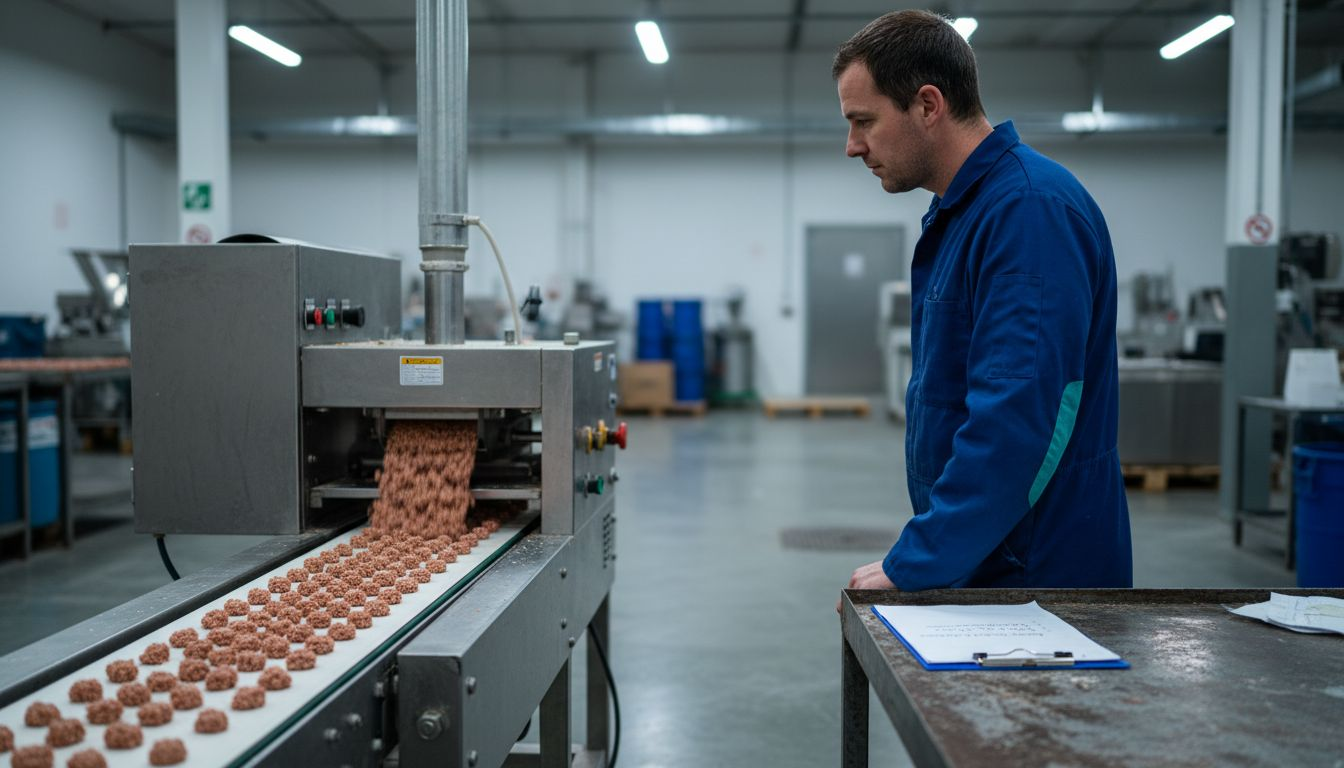
Moreover, the cold pressing technique maintains the structural integrity of amino acids and enzymatic compounds. Proteins remain less denatured compared to conventional kibble production, which means the body can more efficiently absorb and utilise these essential building blocks. The result is a more bioavailable food that supports muscle development, immune function, and metabolic processes with greater effectiveness.
Pro Tip: When selecting cold pressed dog food, examine the ingredient list carefully to ensure high-quality, whole food sources are used, as the preservation method works best with premium, minimally processed ingredients.
Comparing Cold Pressed and Extruded Kibble
Dog food processing methods significantly impact nutritional quality, with cold pressed and extruded kibble representing two distinctly different approaches to canine nutrition. Understanding the fundamental differences between these production techniques reveals why many pet owners are increasingly interested in alternative manufacturing processes that better preserve nutritional integrity.
Extruded kibble, the traditional method, involves subjecting ingredients to extremely high temperatures and intense pressure, typically around 150-200°C. This process creates uniform pellets but can potentially degrade heat-sensitive nutrients, destroy beneficial enzymes, and reduce the bioavailability of proteins. In contrast, cold pressed dog food operates at substantially lower temperatures between 45-80°C, maintaining more of the ingredients’ original nutritional profile. The lower temperature ensures that proteins remain less denatured, vitamins stay more intact, and essential amino acids are better preserved.
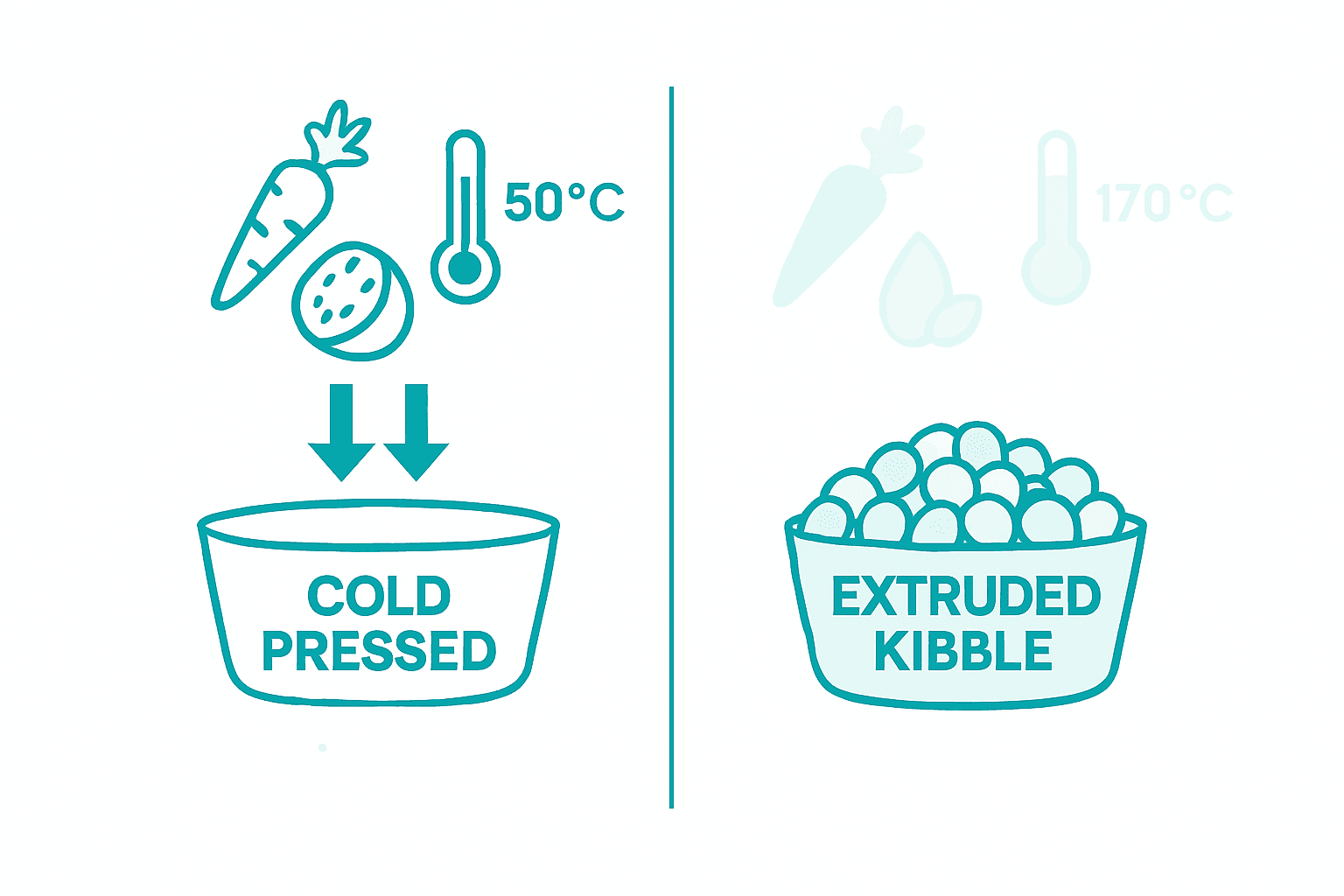
The manufacturing differences extend beyond temperature. Extruded kibble often requires additional preservatives and synthetic additives to maintain shelf stability, whereas cold pressed foods can rely more on natural preservation methods due to their gentler processing. This means cold pressed options typically feature cleaner ingredient lists with fewer artificial components. The texture also differs significantly - cold pressed kibble tends to be denser and more closely resembles the original ingredient composition, potentially making it more appealing and digestible for dogs.
Here’s a concise comparison of cold pressed dog food and extruded kibble:
| Aspect | Cold Pressed Dog Food | Extruded Kibble |
|---|---|---|
| Processing Temperature | 45–80°C, gentle heat | 150–200°C, intense heat |
| Nutrient Preservation | Higher retention of vitamins | Significant losses possible |
| Ingredient Integrity | Natural structure maintained | Proteins more denatured |
| Preservatives Needed | Fewer, relies on process | Often requires synthetics |
| Digestibility | More easily digested | Can be harder to digest |
| Allergen Risk | Lower, fewer fillers | Higher due to additives |
Pro Tip: When comparing dog food options, examine the ingredient list and processing method carefully, prioritising foods that maintain nutritional integrity through minimal processing and high-quality, whole food ingredients.
Suitability for Sensitive or Allergic Dogs
Understanding the best nutrition for dogs with food sensitivities requires careful consideration of ingredient composition and processing methods. Cold pressed dog food emerges as an exceptional option for canines struggling with dietary intolerances, offering a gentle nutritional approach that minimises potential allergenic triggers and supports digestive health.
The hypoallergenic properties of cold pressed dog food stem from its unique manufacturing process and ingredient selection. Unlike traditional kibble, these foods are typically wheat-free, gluten-free, and often exclude common allergens like potato and artificial additives. The gentle processing method helps maintain the integrity of protein sources, reducing the likelihood of triggering inflammatory responses in dogs with sensitive digestive systems. This makes cold pressed options particularly beneficial for breeds prone to food allergies or dogs with chronic digestive complications.
Additionally, cold pressed dog food allows for more precise ingredient control, enabling pet owners to select recipes with limited protein sources or novel proteins that minimise allergic reactions. The lower processing temperatures help preserve the natural structure of proteins, potentially reducing the chance of protein molecules becoming denatured and triggering immune responses. For dogs with known sensitivities, this means a higher probability of digestive comfort and reduced inflammatory responses, making cold pressed nutrition a strategic choice for managing dietary challenges.
Pro Tip: When introducing cold pressed food to a dog with sensitivities, transition gradually over 10-14 days, monitoring your dog’s response and consulting with a veterinarian to ensure optimal digestive adaptation.
Feeding Tips and Common Pitfalls
Successful dog nutrition requires strategic feeding approaches that consider both the unique characteristics of cold pressed dog food and individual canine needs. The delicate nature of this food type demands careful handling and thoughtful introduction to ensure optimal digestive health and nutritional absorption.
One critical consideration is avoiding the common mistake of mixing cold pressed food with traditional extruded kibble. These different food types have distinct digestion rates and processing mechanisms, which can potentially cause digestive disruption and nutrient absorption challenges. Dietary consistency is key when feeding cold pressed dog food, meaning pet owners should commit to a single high-quality food type and carefully monitor their dog’s response. This approach helps maintain stable nutrient intake and prevents potential gastrointestinal complications that can arise from inconsistent feeding strategies.
Ingredient quality remains paramount when selecting cold pressed dog food. Discerning pet owners should scrutinise ingredient lists, prioritising whole food sources and avoiding products laden with unnecessary fillers, artificial preservatives, or low-quality protein sources. The manufacturing process might be gentle, but the underlying ingredient quality determines the ultimate nutritional value. Dogs with specific health requirements or sensitivities may require even more meticulous ingredient selection, potentially necessitating consultation with a veterinary nutritionist to identify the most appropriate cold pressed food formulation.
Consider these key factors when selecting and feeding cold pressed dog food:
| Key Factor | Why It Matters | Guidance for Owners |
|---|---|---|
| Ingredient Quality | Directs nutritional value | Choose whole food sources |
| Transition Speed | Prevents digestive upset | Gradually switch over 10 days |
| Food Consistency | Ensures stable digestion | Do not mix with regular kibble |
| Allergen Content | Reduces sensitivity reactions | Select formulations free of common triggers |
Pro Tip: When transitioning to cold pressed dog food, implement a gradual introduction over 10-14 days, slowly increasing the proportion of new food while decreasing the previous diet to minimise digestive stress and allow your dog’s system to adapt comfortably.
Discover the Power of Cold Pressed Nutrition for Your Dog
If you want to overcome challenges like food sensitivities or nutrient loss caused by traditional kibble, cold pressed dog food offers a natural and gentle solution. This innovative approach preserves vital proteins, vitamins and minerals, supporting your dog’s digestion and overall wellbeing. By choosing cold pressed options, you ensure your dog absorbs more essential nutrients while reducing exposure to common allergens and artificial additives.
Explore our premium range of Dry Dog Food | Grain-Free & Science-Backed Kibble – Ultimate Pet Foods, crafted to maintain ingredient integrity through minimal processing. Whether you are introducing new nutrition for a sensitive dog or seeking clean, whole food recipes, our collection provides scientifically-backed options that prioritise health and digestibility. Take the first step towards enhanced canine vitality today at https://ultimatepetfoods.co.uk. Make the switch and watch your dog thrive with every bite.
Frequently Asked Questions
What is cold pressed dog food?
Cold pressed dog food is a type of pet food that is made by gently combining ground ingredients and compressing them at lower temperatures (between 45 to 80°C), preserving the nutritional integrity of the components. This method maintains more natural vitamins, minerals, and beneficial compounds compared to traditional kibble.
How does cold pressing preserve nutrients in dog food?
Cold pressing uses minimal heat to avoid the breakdown of sensitive nutrients. This technique helps maintain the molecular structure of proteins, vitamins, and minerals, allowing dogs to benefit from a more bioavailable nutrient profile, which supports better digestion and overall health.
What are the main differences between cold pressed dog food and extruded kibble?
Cold pressed dog food is processed at significantly lower temperatures (45-80°C), preserving nutrients better, while extruded kibble is made at higher temperatures (150-200°C), which can lead to nutrient loss. Additionally, cold pressed foods typically require fewer preservatives than extruded options, making them more natural and potentially easier to digest.
Is cold pressed dog food suitable for dogs with food sensitivities?
Yes, cold pressed dog food is often considered a good choice for dogs with food sensitivities, as it typically contains fewer common allergens and is less processed. The careful selection of ingredients and the gentle processing method help minimise potential allergenic reactions and support digestive health.