
Can Dogs Eat Eggs? Nutrition, Safety, and Risks
Every health-conscious dog owner in the United Kingdom faces tough choices when it comes to safe, nutritious treats. With so much advice about grain-free diets and what counts as a healthy protein, the question of whether eggs belong in your dog’s bowl becomes important. This guide shines a light on the core facts and frequent misconceptions, showing why cooked eggs can provide valuable nutrients but also what risks you should watch for before adding them to your dog’s diet.
Table of Contents
- Can Dogs Eat Eggs? Core Facts And Misconceptions
- Egg Types And Nutritional Benefits For Dogs
- Cooked Vs. Raw Eggs: Safety And UK Standards
- Including Eggs In Grain-Free And Hypoallergenic Diets
- Allergies, Risks And Common Mistakes With Eggs
- Safe Egg Serving Methods And Portion Guidance
Key Takeaways
| Point | Details |
|---|---|
| Nutritional Benefits of Eggs | Eggs are a rich source of protein, vitamins, and minerals that can support a dog’s overall health when cooked properly. |
| Preparation is Essential | Raw eggs can pose health risks, so always cook eggs thoroughly to eliminate potential dangers such as Salmonella. |
| Moderation is Key | Eggs should not exceed 10% of a dog’s daily caloric intake to maintain balanced nutrition. |
| Gradual Introduction | Introduce eggs slowly into your dog’s diet while monitoring for any adverse reactions or allergies. |
Can dogs eat eggs? Core facts and misconceptions
Eggs are a nutritious and potentially beneficial food for dogs when prepared correctly. Dog nutrition experts recommend understanding the proper way to incorporate eggs into your pet’s diet to ensure safety and health benefits.
Understanding egg nutrition for dogs involves recognising both potential advantages and risks. Eggs are packed with valuable nutrients that can support your dog’s overall health:
- High-quality protein essential for muscle development
- Amino acids that support metabolic functions
- Vitamins A, B12, and D for immune system health
- Minerals like selenium and riboflavin for cellular function
However, preparation is critical. Raw eggs pose significant risks, including potential Salmonella exposure and biotin deficiency. Cooking eggs thoroughly eliminates these dangers. Recommended preparation methods include:
- Plain boiled eggs
- Scrambled eggs without added oils or seasonings
- Thoroughly cooked egg whites and yolks
Moderation is key: eggs should constitute no more than 10% of a dog’s daily caloric intake.
Potential risks exist for dogs with specific health conditions. Dogs with pancreatitis, obesity, or cholesterol issues should consume eggs sparingly, if at all. Always consult your veterinarian before introducing new foods into your dog’s diet.
Pro tip: Start with small egg portions and monitor your dog for any adverse reactions, gradually increasing serving size if no issues arise.
Egg types and nutritional benefits for dogs
When considering eggs as a nutritional supplement for dogs, understanding the different types and their unique benefits becomes crucial. Protein sources for dogs reveal eggs as an exceptional dietary addition for canine nutrition.
Different egg types offer varying nutritional profiles for dogs, each with distinct advantages:
- Chicken eggs: Most common, rich in protein and easily digestible
- Quail eggs: Smaller, more concentrated nutrient profile
- Duck eggs: Higher fat content, additional vitamin boost
- Organic eggs: Potentially lower chemical exposure
The nutritional composition of eggs makes them a powerhouse of canine health support. Key nutritional benefits include:
Here is a comparison of common egg types and their unique nutritional benefits for dogs:
| Egg Type | Nutritional Highlights | Ideal For |
|---|---|---|
| Chicken | Balanced protein, easy digestion | Most dogs, general supplementation |
| Quail | Nutrient dense, small size | Small breeds, portion control |
| Duck | Higher fat, extra vitamins | Dogs needing higher caloric intake |
| Organic | Lower chemical exposure | Dogs with sensitivities |
- Complete protein with essential amino acids
- Vitamins A, B12, and D for metabolic function3. Minerals like selenium and riboflavin
- Omega-3 fatty acids for coat and skin health
Eggs should be viewed as a nutritional supplement, not a primary food source for dogs.
Cooking methods significantly impact egg nutrition and safety. Raw eggs can introduce bacterial risks, while properly cooked eggs provide maximum nutritional benefits. Recommended preparation involves gentle cooking without added seasonings or oils.
Pro tip: Introduce eggs gradually into your dog’s diet, starting with small portions and monitoring for any digestive reactions.
Cooked vs. raw eggs: safety and UK standards
Understanding the differences between cooked and raw eggs is crucial for ensuring your dog’s health and nutritional safety. UK food safety standards highlight significant risks associated with feeding raw eggs to dogs.
The primary concerns with raw eggs involve potential health hazards that can compromise your dog’s well-being:
- Salmonella contamination risk in uncooked eggs
- Biotin deficiency caused by raw egg white proteins
- Digestive system challenges from unprocessed egg proteins
- Bacterial exposure not eliminated by cooking
Cooked eggs offer several critical advantages over their raw counterparts:
- Elimination of harmful bacterial risks
- Deactivation of protein-binding compounds
- Enhanced nutrient digestibility
- Improved protein absorption
UK veterinary guidelines consistently recommend thoroughly cooking eggs before feeding them to dogs.
Cooking methods matter significantly when preparing eggs for canine consumption. Gentle boiling or scrambling without additional oils or seasonings provides the safest approach. Avoid adding salt, pepper, or other ingredients that might harm your dog’s digestive system.

Pro tip: Always consult with your veterinarian about appropriate egg preparation and portion sizes specific to your dog’s individual nutritional needs.
Including eggs in grain-free and hypoallergenic diets
For dogs with dietary sensitivities, understanding how to incorporate eggs safely is crucial. Hypoallergenic dog diets require careful consideration of protein sources and potential allergens.
Eggs can be an excellent protein source for dogs with specific dietary requirements, particularly in grain-free nutrition plans:
- Highly digestible protein with minimal allergenic potential
- Complete amino acid profile supporting muscle health
- Low carbohydrate content ideal for grain-free diets
- Natural nutrient density without artificial additives
Dogs with food sensitivities often benefit from carefully introduced egg proteins:
- Start with small, cooked egg portions
- Monitor for any allergic reactions
- Introduce as a supplemental protein source
- Consult with a veterinary nutritionist
Eggs should comprise no more than 10% of a dog’s total dietary intake in hypoallergenic meal plans.
When integrating eggs into grain-free diets, preparation method becomes critical. Thoroughly cooked eggs eliminate potential bacterial risks while maintaining nutritional integrity. Boiled or scrambled eggs without additional seasonings provide the safest option for dogs with sensitive digestive systems.
Pro tip: Conduct a careful elimination diet trial when introducing eggs, documenting any changes in your dog’s digestive health or overall well-being.
Allergies, risks and common mistakes with eggs
Dog owners must be vigilant about potential egg-related health complications. Allergen-free dog food strategies highlight the importance of understanding individual dietary sensitivities.
Egg allergies, though relatively uncommon, can manifest through various symptoms:
- Skin irritations and excessive itching
- Digestive system disruptions
- Gastrointestinal inflammation
- Sudden onset of vomiting or diarrhoea
Common mistakes when introducing eggs to a dog’s diet include:
- Feeding uncooked or improperly prepared eggs
- Overlooking potential allergic reactions
- Using seasoned or oil-laden cooking methods
- Providing excessive egg portions
Egg allergies affect approximately 0.5-1% of dogs, making careful introduction crucial.
Preventing egg-related health issues requires meticulous preparation and observation. Always introduce eggs gradually, starting with minimal quantities and monitoring your dog’s response. Unseasoned, plain cooked eggs provide the safest nutritional approach for most canines.
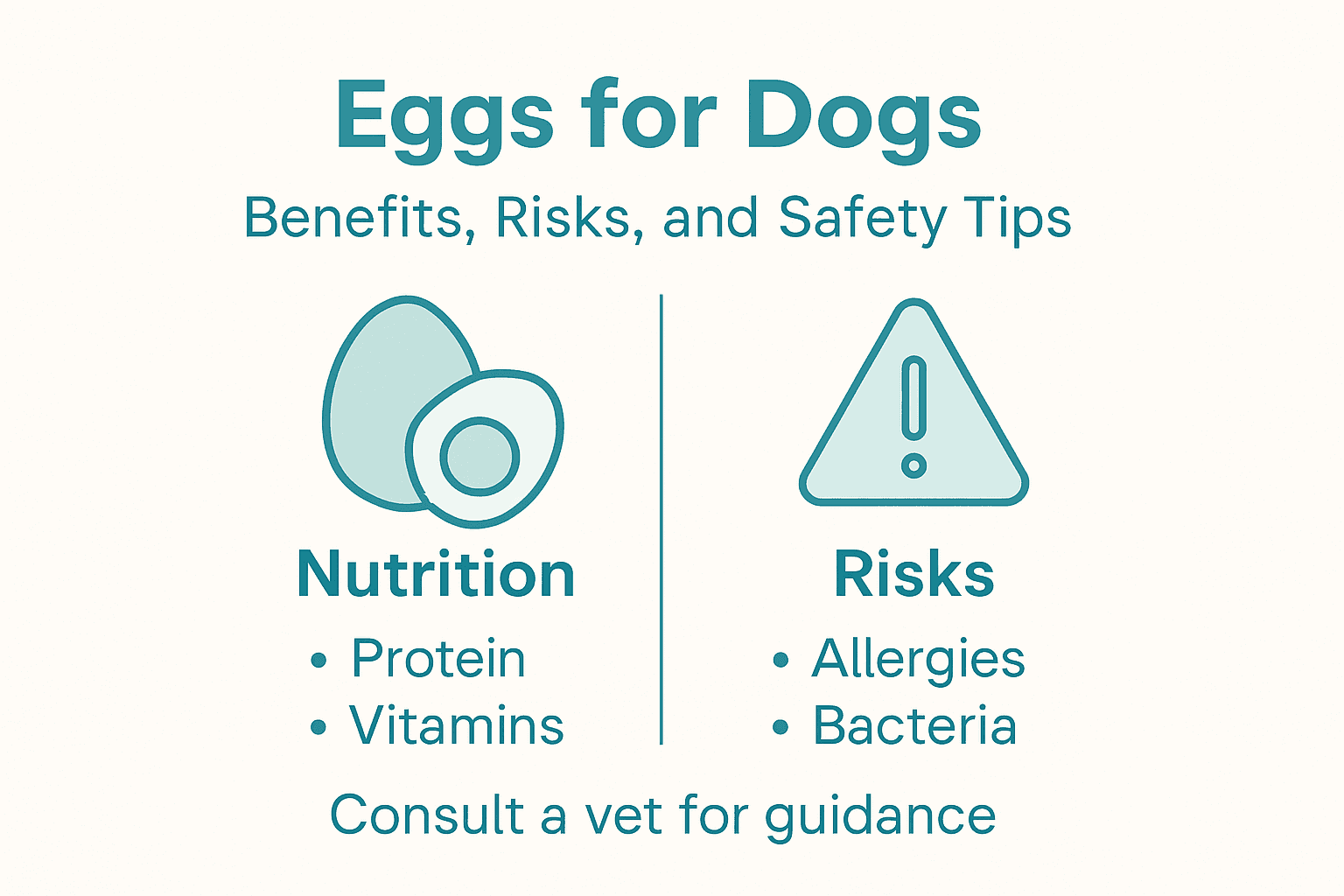
Pro tip: Keep a detailed food diary when introducing eggs, documenting any physical or behavioural changes to help identify potential sensitivities.
Safe egg serving methods and portion guidance
Understanding proper egg serving techniques is crucial for maintaining your dog’s health and nutrition. Dog food serving sizes provide essential context for incorporating eggs into your pet’s diet safely.
Egg portion guidelines vary significantly based on your dog’s size and individual nutritional needs:
For safe feeding, refer to this egg portion guidance by dog size:
| Dog Size | Suggested Weekly Portion | Key Consideration |
|---|---|---|
| Small (≤10kg) | 1/4 to 1/2 egg | Adjust for calorie limits |
| Medium (10-25kg) | 1/2 to 1 egg | Monitor digestion changes |
| Large (25kg+) | Up to 1 egg per day | Divide across meals for balance |
| Overweight | Consult veterinarian | May need reduction or omission |
- Small dogs: 1/4 to 1/2 egg per week
- Medium dogs: 1/2 to 1 whole egg per week
- Large dogs: Up to 1 egg per day
- Overweight dogs: Consult veterinarian before adding eggs
Proper egg preparation involves several critical steps:
- Always cook eggs thoroughly
- Remove all seasonings and oils
- Cool eggs before serving
- Cut into manageable pieces
Eggs should represent no more than 10% of a dog’s total daily caloric intake.
Cooking methods matter significantly when preparing eggs for dogs. Boiling or scrambling without additional ingredients provides the safest approach. Avoid frying, as added oils can cause digestive complications and unnecessary weight gain.
Pro tip: Weigh your eggs and track portion sizes meticulously to prevent accidental overfeeding and maintain precise nutritional balance.
Enhance Your Dog’s Nutrition Safely with Tailored Grain-Free Diets
Feeding eggs to your dog can be a great way to add high-quality protein and essential nutrients but knowing how much and how to prepare them is vital to avoid risks like Salmonella or allergies. If you want to support your dog’s health with natural, balanced meals that complement occasional egg servings, explore our carefully crafted blends made to suit all life stages and sensitivities. Our grain-free recipes focus on digestibility and complete nutrition, helping you manage your dog’s dietary needs with confidence.

Discover our full range in the collections section or find the perfect formula for your growing pup at Try Our Dry Puppy Puppy Food - Optimal Health & Nutrition. For senior dogs requiring gentle nutrition, check out Blends for our Senior Dogs. Visit Ultimate Pet Foods today to choose premium, natural options that ensure your dog gets the safest and healthiest support possible when supplementing with eggs or other proteins.
Frequently Asked Questions
Can dogs eat eggs safely?
Yes, dogs can eat eggs safely when they are thoroughly cooked. Raw eggs pose risks, such as Salmonella and biotin deficiency.
What types of eggs are best for dogs?
Chicken eggs are the most common and easily digestible for dogs. Quail and duck eggs also provide benefits but should be given in moderation. Organic eggs may have lower chemical exposure.
How should I prepare eggs for my dog?
Eggs should be boiled or scrambled without added oils or seasonings. Cooking eliminates harmful bacteria and improves nutrient digestibility.
How many eggs can I safely feed my dog?
The portion varies by dog size: small dogs can have 1/4 to 1/2 egg weekly, medium dogs can have 1/2 to 1 egg weekly, and large dogs can have up to 1 egg daily. Eggs should not exceed 10% of your dog’s total daily caloric intake.