

Can Dogs Be Vegan? Health and Legal Impacts UK

Most british dog owners navigating plant-based diets face conflicting advice and persistent myths. Over 80 percent of UK pet owners worry about getting the nutrition right for dogs with health sensitivities. Understanding veganism for dogs is crucial, especially when common beliefs clash with evolving science. This guide breaks down key misconceptions, highlights real nutritional requirements, and helps you make informed choices for your dog’s well-being.
Table of Contents
- Dog Veganism Defined and Key Myths
- Nutritional Requirements for Vegan Dogs
- UK Veterinary Policy and Legal Responsibilities
- Health Risks and Monitoring Considerations
- Commercial Vegan Foods Versus Homemade Diets
Key Takeaways
| Point | Details |
|---|---|
| Nutritional Planning is Crucial | A vegan diet for dogs requires meticulous planning to ensure complete protein and nutrient profiles. |
| Veterinary Guidance is Essential | Consulting a veterinary nutritionist before transitioning to a vegan diet is recommended to address individual health needs. |
| Health Monitoring is Key | Regular health assessments and blood tests are vital to track nutrient absorption and overall well-being during dietary transitions. |
| Commercial Foods Offer Safety | Commercial vegan dog foods are typically formulated with greater nutritional consistency compared to homemade diets, reducing risks of deficiencies. |
Dog Veganism Defined and Key Myths
Veganism for dogs represents a complex dietary approach that challenges traditional pet nutrition paradigms. Unlike human veganism, canine plant-based diets require meticulous nutritional planning to ensure complete protein profiles and essential nutrient delivery. Public perceptions about vegan dog diets remain varied and often misunderstood, with many people viewing such dietary choices through the lens of personal ethical commitments rather than scientific nutritional requirements.
Contrary to popular belief, dogs are omnivores with digestive systems capable of processing both animal and plant-based proteins. However, this biological flexibility does not automatically mean all vegan diets are suitable. Nutritional completeness is the critical factor, requiring carefully formulated meals that provide all essential amino acids, vitamins, and minerals. Scientific studies on vegan dog diets reveal mixed results, with some indicating potential health benefits while others highlight significant nutritional challenges.
Key myths surrounding dog veganism include assumptions that plant-based diets are inherently healthier or more ethical. In reality, nutritional balance trumps dietary ideology. Professional veterinary guidance is essential when considering a vegan diet, as individual dogs have unique metabolic needs. Factors such as age, breed, activity level, and existing health conditions significantly influence dietary requirements. Owners must conduct thorough research and consult veterinary nutritionists to develop appropriate plant-based meal plans.
Pro tip: Consult a veterinary nutritionist specialising in alternative diets before transitioning your dog to a vegan diet, and ensure regular health monitoring to verify nutritional adequacy and overall wellness.
Nutritional Requirements for Vegan Dogs
Feeding dogs a vegan diet requires extraordinary nutritional precision and expert planning. Research from the University of Nottingham reveals that vegan dog foods can provide comparable nutrition to meat-based diets, provided they are meticulously formulated. Unlike human vegan diets, canine plant-based nutrition demands comprehensive protein profiles and strategic nutrient supplementation to meet complex metabolic requirements.
The critical challenge lies in achieving complete nutritional balance. Dogs require specific amino acids, vitamins, and minerals that traditionally come from animal proteins. Systematic reviews indicate that commercial vegan dog foods are preferable to homemade alternatives, as they undergo rigorous nutritional testing to ensure dietary completeness. Key nutrients such as taurine, methionine, vitamin B12, and essential amino acids must be carefully incorporated through targeted supplementation or precise ingredient selection.
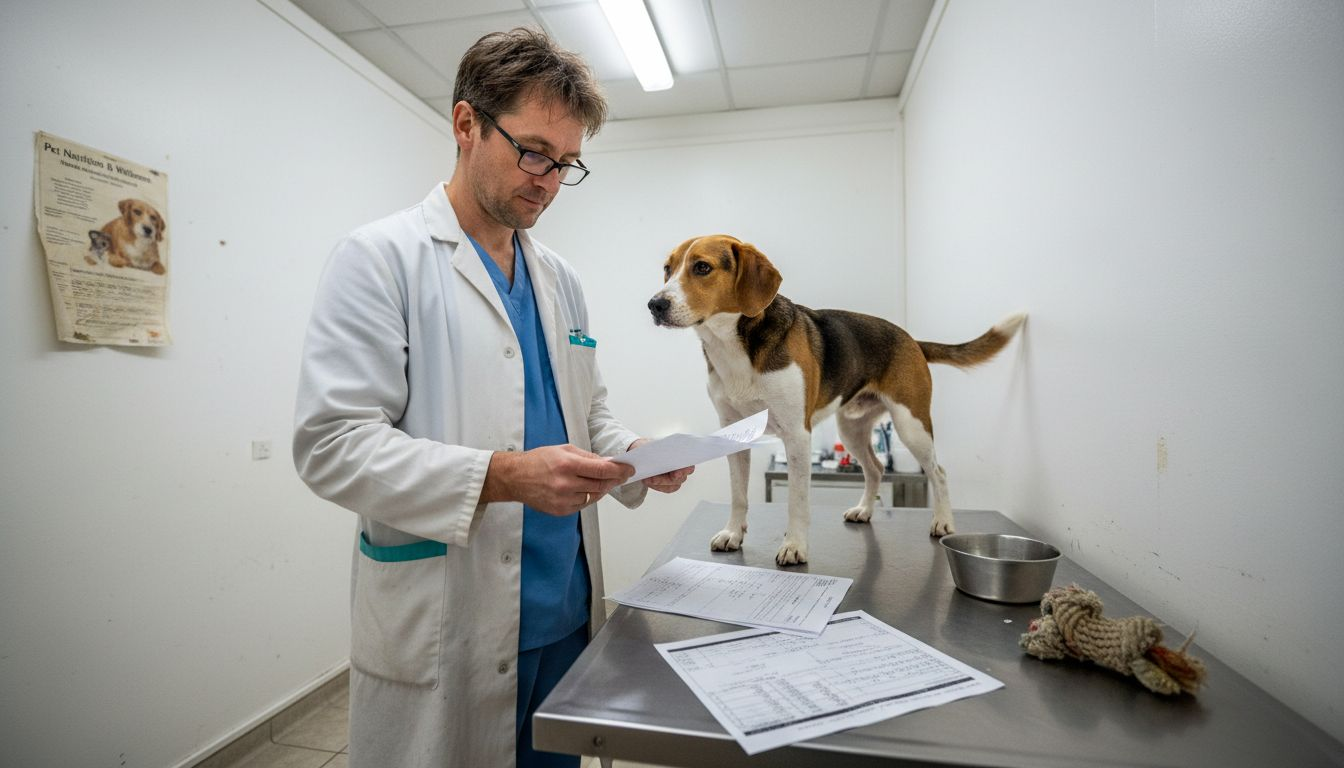
Nutritional monitoring becomes paramount when transitioning dogs to plant-based diets. Veterinary nutritionists recommend comprehensive blood panels and regular health assessments to track nutrient absorption, protein utilisation, and overall physiological responses. Complete protein sources like legumes, quinoa, and specialised plant-based protein isolates can provide essential amino acid profiles when strategically combined. Age, breed, activity level, and individual metabolic differences significantly influence nutritional requirements, necessitating personalised dietary approaches.
Below is a summary of key nutrients requiring special attention in vegan dog diets:
| Nutrient | Role in Health | Plant-Based Sources | Supplementation Required? |
|---|---|---|---|
| Taurine | Supports heart and muscles | Limited in plants, some legumes | Yes, usually necessary |
| Vitamin B12 | Aids nervous system function | None naturally in plants | Yes, always needed |
| Methionine | Essential for protein synthesis | Legumes, quinoa, soybeans | Often recommended |
| Zinc | Immune and skin health | Nuts, seeds, whole grains | Sometimes necessary |
Pro tip: Work closely with a veterinary nutritionist specialising in alternative diets to develop a comprehensive, scientifically validated vegan nutrition plan tailored specifically to your dog’s unique metabolic needs.
UK Veterinary Policy and Legal Responsibilities
The British Veterinary Association’s landmark policy shift signifies a progressive approach to canine dietary choices, marking a significant moment in veterinary guidance for UK pet owners. In July 2024, the BVA officially ended its previous opposition to vegan dog diets, acknowledging that plant-based nutrition can be viable when nutritional requirements are comprehensively met. This policy transformation reflects growing awareness of diverse dietary approaches and the importance of scientific evidence in animal nutrition.
Veterinary professionals now bear a critical legal responsibility to provide impartial, evidence-based dietary advice. The BVA’s policy document emphasises that veterinarians must prioritise animal welfare by offering comprehensive nutritional guidance, considering individual animal needs rather than promoting a single dietary ideology. This approach requires veterinarians to assess each dog’s specific health requirements, potential nutritional deficiencies, and metabolic characteristics before recommending or supporting alternative diet plans.
Legal considerations surrounding vegan dog diets extend beyond mere nutritional recommendations. Pet owners must understand that while veterinary professionals can provide guidance, the ultimate responsibility for maintaining an animal’s health lies with the owner. This includes ensuring regular health monitoring, conducting periodic blood tests, and working collaboratively with veterinary nutritionists to develop scientifically validated dietary plans. The evolving regulatory landscape emphasises informed consent, transparent communication, and a commitment to the animal’s physiological well-being.
Pro tip: Request a comprehensive nutritional assessment and blood panel from your veterinarian before transitioning your dog to a vegan diet, ensuring a methodical and scientifically supported approach to dietary change.
Health Risks and Monitoring Considerations
Veterinary experts highlight critical monitoring requirements for dogs transitioning to plant-based diets, recognising the complex nutritional challenges inherent in alternative feeding strategies. The primary concern centres on potential nutrient deficiency risks that can emerge when traditional animal protein sources are eliminated. Dogs possess unique metabolic requirements that demand precise nutritional engineering, making vegan diet transitions particularly nuanced and requiring comprehensive professional oversight.
Key health monitoring parameters include regular blood panel assessments targeting essential markers such as protein levels, amino acid profiles, vitamin B12 concentration, and overall metabolic function. Veterinary professionals recommend comprehensive diagnostic testing every three to six months during dietary transition, focusing on detecting early signs of potential nutritional imbalances. Critical indicators include changes in muscle mass, coat condition, energy levels, and digestive efficiency. Blood tests should specifically examine taurine levels, vitamin D absorption, zinc metabolism, and potential inflammatory markers that might signal dietary stress.
Nutritional supplementation becomes paramount in managing potential health risks associated with vegan dog diets. Synthetic nutrient additives must be carefully selected and dosed, considering individual dog characteristics such as breed, age, weight, and existing health conditions. Potential risks include reduced muscle protein synthesis, compromised immune function, and potential neurological impacts from inadequate amino acid profiles. Owners must work closely with veterinary nutritionists to develop personalised dietary strategies that comprehensively address these potential metabolic challenges, ensuring ongoing health and vitality.
Pro tip: Maintain a detailed health journal documenting your dog’s weight, energy levels, coat condition, and digestive performance when transitioning to a vegan diet, providing your veterinarian with comprehensive insight during monitoring consultations.
Commercial Vegan Foods Versus Homemade Diets
UK pet food advisory sources emphasise significant risks associated with homemade vegetarian and vegan dog diets, highlighting the complex nutritional challenges inherent in self-prepared meal plans. Nutritional precision becomes paramount when transitioning dogs to plant-based nutrition, with commercially produced vegan dog foods offering substantially more reliable nutrient profiles compared to owner-developed recipes. The primary distinction lies in scientific formulation, quality control, and comprehensive nutritional testing that commercial manufacturers undertake.
Commercial vegan dog foods undergo rigorous testing to ensure complete nutritional adequacy, addressing critical dietary requirements through carefully balanced ingredient combinations. The British Veterinary Association recommends commercial complete diets as a safer alternative to homemade preparations, emphasising the risks of ‘recipe drift’ and potential nutrient imbalances in home-prepared meals. Veterinary nutritionists warn that well-intentioned owners might inadvertently create diets lacking essential amino acids, vitamins, and minerals crucial for canine health.
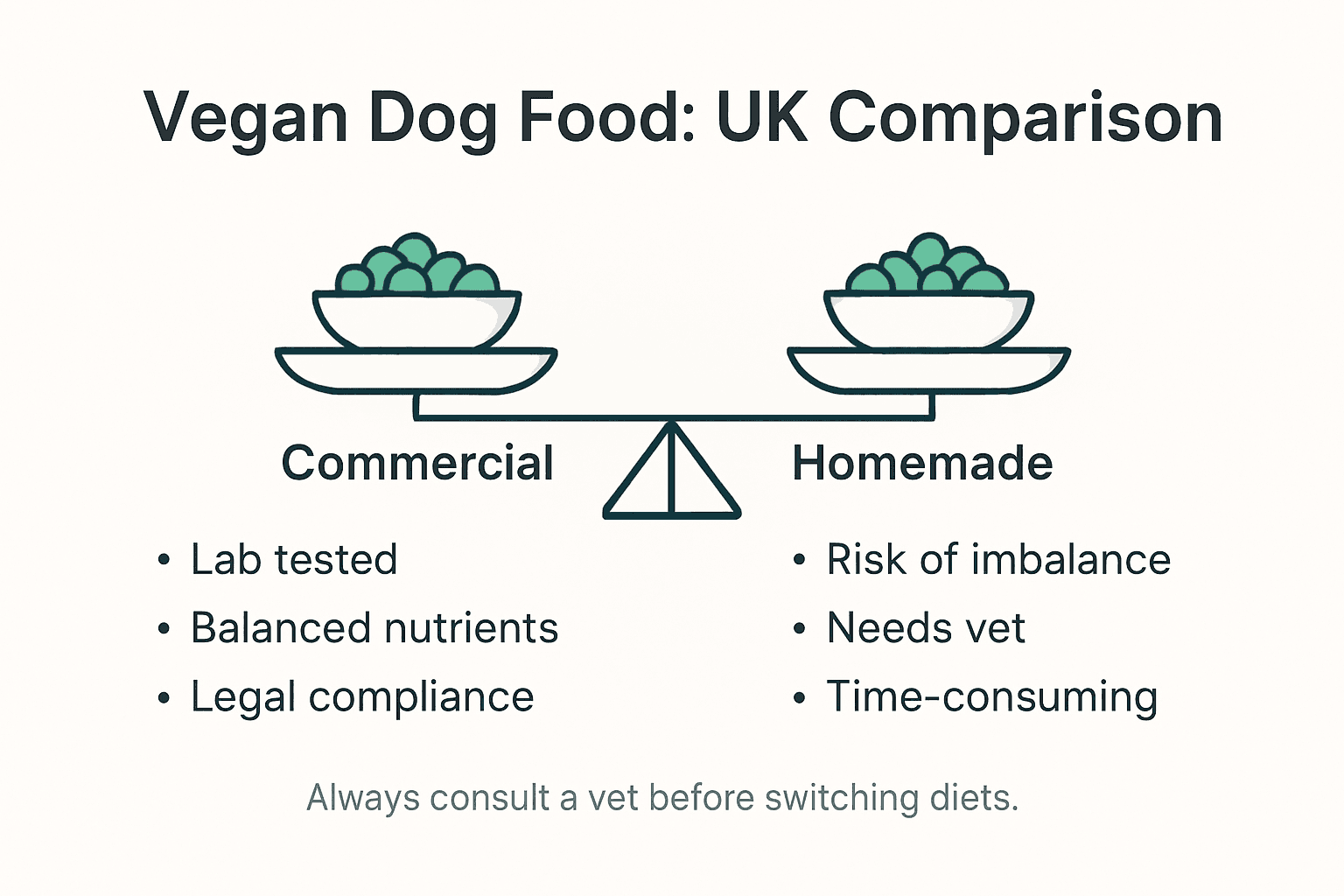
Key considerations when evaluating commercial versus homemade vegan dog diets include professional formulation, bioavailability of nutrients, and long-term health monitoring. Homemade diets require extensive nutritional knowledge, precise supplementation, and regular veterinary consultation to mitigate potential health risks. Commercial vegan dog foods are typically developed with input from veterinary nutritionists, incorporating synthetic nutrients and carefully selected plant-based protein sources to create comprehensive nutritional profiles that meet dogs’ complex metabolic needs.
Here is a comparison of commercial vegan dog food and homemade vegan diets for dogs:
| Aspect | Commercial Vegan Foods | Homemade Vegan Diets |
|---|---|---|
| Nutritional Testing | Extensive laboratory analysis | Minimal or variable testing |
| Formulation Oversight | By veterinary nutritionists | By owners, often lacking expertise |
| Nutrient Completeness | Typically guaranteed on label | Requires precise, informed balancing |
| Safety and Regulation | Subject to pet food standards | Not regulated, risk of errors |
| Monitoring Demands | Recommended regular check-ups | Essential frequent vet consultations |
Pro tip: Request a comprehensive nutrient analysis from commercial vegan dog food manufacturers and compare their formulation credentials with veterinary nutritionist recommendations before making dietary transitions.
Support Your Dog’s Unique Nutritional Needs with Tailored, Natural Food Solutions
Navigating the challenges of vegan diets for dogs requires meticulous attention to nutritional completeness and health monitoring. Whether you are exploring plant-based feeding or simply want to ensure your dog’s meals support their specific metabolic requirements, choosing scientifically formulated, natural dog food can make all the difference. Our premium grain-free options are crafted with fresh ingredients to help maintain muscle health, coat condition, and overall vitality across all life stages.
Discover how you can provide balanced nutrition without compromise by exploring our collections. If your dog is younger or entering a new stage of life, try our Dry Puppy Food range designed to support optimal growth with tailored nutrition. For older dogs, our Blends for Senior Dogs offer specialised support to meet changing health needs. Visit https://ultimatepetfoods.co.uk today to embrace a natural, carefully formulated approach that honours your dog’s health and your ethical choices.
Frequently Asked Questions
Can dogs thrive on a vegan diet?
Yes, dogs can thrive on a vegan diet if it is carefully formulated to meet their nutritional needs. It is crucial to ensure the diet is nutritionally complete and balanced, including all essential amino acids, vitamins, and minerals.
What nutrients should I monitor when feeding my dog a vegan diet?
Key nutrients to monitor include taurine, vitamin B12, methionine, and zinc, as these are critical to your dog’s health and may require supplementation when following a vegan diet.
What are the risks of homemade vegan dog diets?
Homemade vegan diets can pose significant risks, including nutrient deficiencies, unless they are meticulously planned with expert guidance. Unlike commercial vegan foods, homemade diets may lack essential vitamins and minerals necessary for your dog’s health.
What legal responsibilities do veterinarians have regarding vegan diets for dogs?
Veterinarians have a legal responsibility to provide impartial, evidence-based dietary advice tailored to the individual dog’s needs. They must assess the dog’s specific health requirements and nutritional needs, especially when discussing alternative diets like veganism.


