

Advantages of fresh ingredients for dogs in 2026
Choosing the right diet for your dog can feel overwhelming when you’re surrounded by countless options promising optimal health. You want natural, premium nutrition that supports longevity and wellbeing, but how do you know which approach truly delivers? Fresh ingredient diets are gaining significant attention in 2026, backed by compelling scientific evidence showing measurable improvements in hydration, metabolism, and overall vitality. This article explores the key advantages of fresh ingredients for dogs, helping you make informed decisions about your pet’s nutrition based on current research and practical insights.
Table of Contents
- Criteria For Evaluating Fresh Ingredients In Dog Food
- Top Advantages Of Fresh Ingredients For Dogs
- How Fresh Ingredients Support Dogs With Specific Health Needs
- Comparing Fresh Ingredients With Traditional Kibble Diets
- Discover Our Premium Grain-Free Fresh Dog Food Range
- Frequently Asked Questions
Key takeaways
| Point | Details |
|---|---|
| Superior hydration | Fresh food diets provide significantly higher water intake compared to kibble, supporting kidney and urinary health |
| Enhanced metabolism | Fresh ingredients reduce harmful compounds and improve fat and protein metabolism, particularly benefiting senior dogs |
| Better nutrient absorption | Digestibility rates of 80-90% ensure your dog receives maximum nutritional value from every meal |
| Allergy management | Grain-free fresh diets eliminate common allergens whilst reducing inflammation and improving skin and coat condition |
| Healthier gut microbiome | Fresh food promotes beneficial bacterial balance, supporting digestion and immune function |
Criteria for evaluating fresh ingredients in dog food
When assessing fresh ingredient options for your dog, you need a clear framework that goes beyond marketing claims. The quality of fresh ingredients directly impacts how well your dog absorbs nutrients, maintains hydration, and manages inflammation throughout their life.
Digestibility stands as the most critical factor. Fresh food diets achieve digestibility rates of 80-90% compared to kibble’s 70-80%, meaning your dog extracts more nutrition from smaller portions. This higher bioavailability translates to better energy levels and reduced waste production.
Hydration levels differ dramatically between diet types. Research shows that fresh food increases total daily water consumption substantially, supporting kidney function and preventing urinary issues. Unlike dry kibble that requires dogs to compensate by drinking more water separately, fresh ingredients provide moisture naturally integrated into meals.
Metabolic effects become increasingly important as dogs age. Fresh diets influence how your dog processes fats and proteins, affecting inflammation markers and cellular health. These metabolic shifts can slow ageing processes and maintain vitality in senior dogs.
For dogs with sensitivities, evaluating grain content and potential allergens is essential. Many fresh diets eliminate common triggers whilst providing complete nutrition through carefully selected proteins and vegetables. Understanding the benefits of fresh dog food helps you match ingredients to your dog’s specific health requirements.
Consider these key evaluation criteria:
- Ingredient sourcing and freshness guarantees from suppliers
- Complete nutritional profiles meeting FEDIAF or AAFCO standards
- Absence of artificial preservatives, colours, and fillers
- Appropriate protein sources for your dog’s life stage and activity level
- Clear labelling of all components without vague terms like meat derivatives
Top advantages of fresh ingredients for dogs
Fresh ingredients deliver measurable health improvements that extend beyond basic nutrition. The science behind these benefits reveals why more dog owners are transitioning away from processed alternatives in 2026.
Hydration represents one of the most significant advantages. Studies demonstrate that dogs consuming fresh food had 88g higher total daily water consumption and exceeded minimum water requirements by 141%. This enhanced hydration supports kidney function, maintains healthy urinary pH levels, and improves nutrient transport throughout the body. You’ll notice your dog drinking less water separately because their meals provide adequate moisture naturally.
Metabolic improvements offer profound benefits, especially for older dogs. Research confirms that fresh food diets reduce harmful advanced glycation end products whilst improving fat and protein metabolism. These changes reduce systemic inflammation, a key factor in age-related conditions like arthritis and cognitive decline. Your senior dog maintains better energy efficiency and experiences slower cellular ageing.

Antioxidant support from fresh ingredients strengthens immune function and protects against oxidative stress. Unlike processed foods where heat destroys delicate compounds, fresh ingredients provide higher levels of natural antioxidants and phytonutrients. These molecules neutralise free radicals, supporting cellular repair and reducing cancer risk.
Urinary health improvements stem from the combination of better hydration and balanced mineral content. Fresh diets naturally regulate urinary pH without synthetic additives, reducing the formation of crystals and stones. This advantage proves particularly valuable for breeds prone to urinary issues.
Key advantages at a glance:
- Reduced fecal volume due to superior nutrient absorption
- Improved coat shine and skin health from essential fatty acids
- Better weight management through natural satiety signals
- Enhanced dental health from varied textures and natural enzymes
- Stronger immune response supported by diverse nutrients
Pro Tip: When comparing fresh dog food vs kibble, observe your dog’s energy levels and coat condition over 4-6 weeks rather than expecting overnight changes, as metabolic adaptations take time to become visible.
How fresh ingredients support dogs with specific health needs
Dogs with allergies, sensitivities, or age-related conditions require tailored nutrition that addresses their unique challenges. Fresh, grain-free diets offer targeted solutions that processed foods cannot match.
Grain elimination proves transformative for sensitive dogs. Common allergens like wheat, corn, and soy trigger inflammatory responses affecting skin, digestion, and overall comfort. Studies show that grain-free fresh diets reduce inflammation and improve skin and coat health in dogs with sensitivities. You’ll observe reduced scratching, fewer hot spots, and a glossier coat within weeks of switching.
Inflammation reduction extends beyond skin improvements. Fresh ingredients contain natural anti-inflammatory compounds that processed foods lose during manufacturing. This benefit supports dogs with joint issues, digestive sensitivities, and chronic conditions requiring ongoing management.
Senior dogs experience particularly dramatic improvements. Clinical trials reveal that senior dogs on fresh diets undergo meaningful metabolic changes supporting healthy ageing. These shifts include better glucose regulation, improved fat metabolism, and reduced markers of cellular stress. Your older dog maintains muscle mass more effectively and shows improved cognitive function.
Weight management becomes easier with fresh ingredients because natural satiety signals work properly. Unlike kibble’s concentrated calories and rapid consumption, fresh food’s higher moisture content and varied textures promote slower eating and better portion control. Dogs feel satisfied on fewer calories, making weight loss achievable without constant hunger.
Specific health applications:
- Pancreatitis management through controlled fat content and easy digestibility
- Kidney support via balanced protein levels and enhanced hydration
- Digestive issues addressed through simplified ingredient lists and natural fibres
- Skin conditions improved by eliminating common triggers and providing omega fatty acids
Consult with a veterinary nutritionist when addressing serious health conditions. They can help you select appropriate senior dog food recipes or formulate custom diets matching your dog’s specific requirements whilst ensuring complete nutrition.
Comparing fresh ingredients with traditional kibble diets
Understanding the concrete differences between fresh and kibble diets helps you make evidence-based decisions rather than relying on marketing claims or anecdotal experiences.
Hydration and metabolic profiles show the starkest contrasts. Research demonstrates that dogs fed fresh diets showed higher hydration, healthier gut microbiomes, and improved nutrient absorption compared to kibble. These improvements translate to measurable health outcomes including better kidney function and reduced disease markers.
Gut microbiome composition differs significantly between diet types. Fresh food promotes beneficial bacterial species that support digestion, nutrient synthesis, and immune function. Kibble-fed dogs often show imbalanced microbiomes with higher levels of potentially harmful bacteria, affecting everything from stool quality to systemic inflammation.
Fecal output provides a visible indicator of digestibility. Studies reveal that fresh diets resulted in up to 66% less fecal output because dogs absorb more nutrients rather than excreting undigested material. This reduction means fewer garden clean-ups and confirms superior nutrient utilisation.
Mycotoxin exposure presents a serious concern with kibble. Research found that 75% of kibble samples contained mycotoxins whilst fresh diets showed zero contamination. These fungal toxins accumulate during grain storage and processing, potentially causing liver damage and immune suppression over time.
| Factor | Fresh ingredients | Traditional kibble |
|---|---|---|
| Digestibility | 80-90% nutrient absorption | 70-80% nutrient absorption |
| Moisture content | 60-80% natural hydration | 8-10% requires separate water |
| Processing impact | Minimal heat, preserves nutrients | High heat destroys enzymes and vitamins |
| Fecal volume | 34-66% less waste produced | Higher waste due to fillers |
| Mycotoxin risk | Zero contamination in studies | 75% of samples contaminated |
| Metabolic markers | Improved fat/protein metabolism | Higher inflammation markers |
Key comparison points:
- Fresh food maintains natural enzyme activity supporting digestion
- Kibble requires synthetic vitamin supplementation after processing
- Fresh diets offer ingredient transparency and traceability
- Kibble provides convenience and longer shelf stability
- Fresh food costs more initially but may reduce veterinary expenses
Pro Tip: When evaluating fresh dog food vs kibble options, calculate cost per day based on your dog’s actual feeding amounts rather than package price, as fresh food’s higher digestibility means smaller portions deliver complete nutrition.
Discover our premium grain-free fresh dog food range
Now that you understand the science-backed advantages of fresh ingredients, you’re ready to explore options that deliver these benefits to your dog. Ultimate Pet Foods specialises in natural, grain-free fresh dog food formulated specifically for health-conscious owners who refuse to compromise on quality.
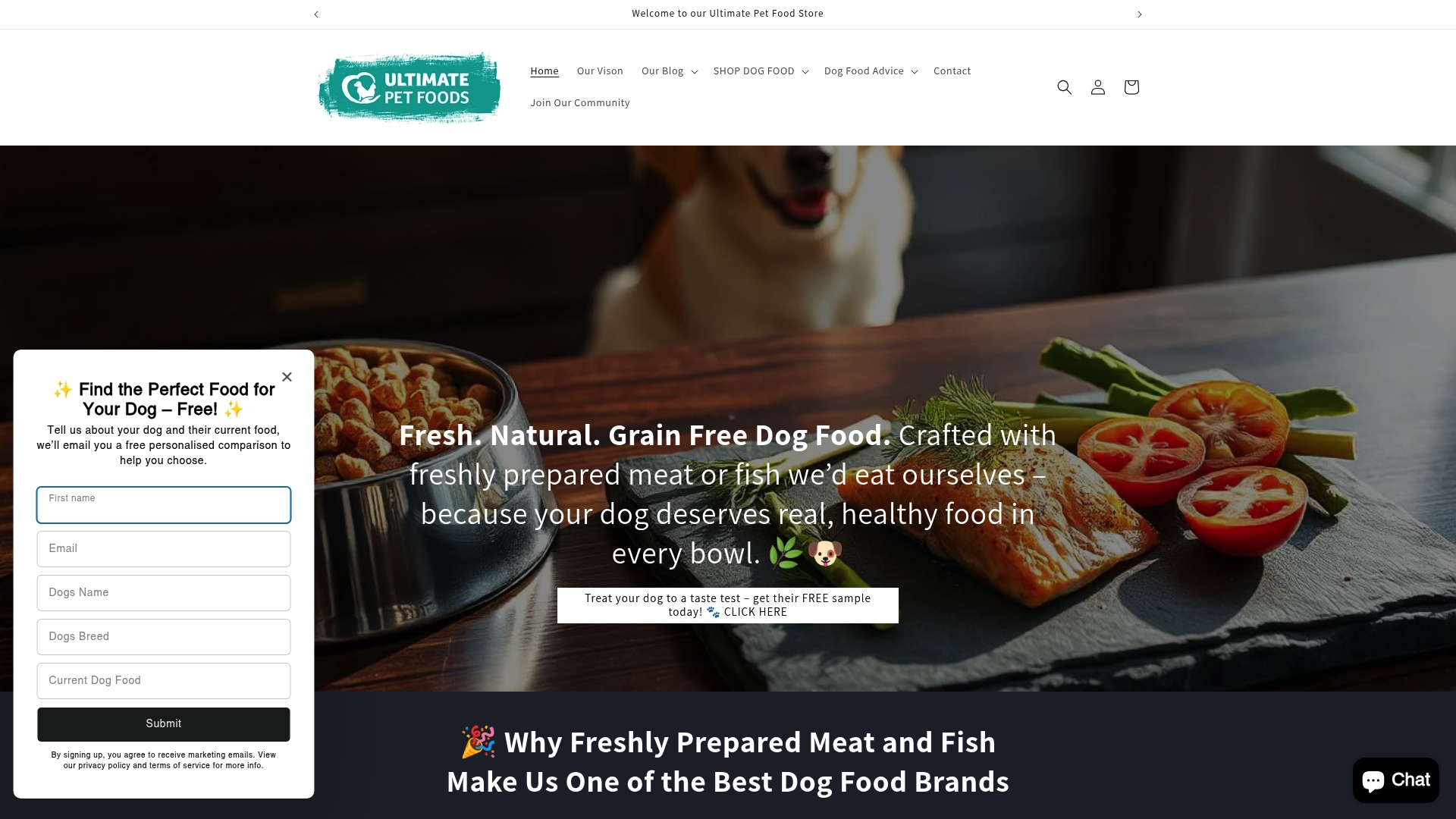
Our grain-free range addresses the key benefits discussed throughout this article. Each recipe supports optimal hydration through high moisture content, promotes healthy metabolism with carefully balanced proteins and fats, and eliminates common allergens affecting sensitive dogs. We source fresh ingredients from trusted suppliers and formulate recipes meeting complete nutritional standards for all life stages.
Whether you’re managing a senior dog’s changing needs or supporting a young dog’s development, our product range offers tailored solutions. Explore the grain-free diet benefits for dogs and discover how premium nutrition transforms health outcomes. Our grain-free dog food ingredients guide provides transparency about every component, whilst our fresh dog food comparison helps you understand what sets our formulations apart from alternatives.
Frequently asked questions
How quickly will I notice improvements after switching to fresh ingredients?
Most dogs show initial changes within 2-3 weeks, including improved coat shine and energy levels. Metabolic improvements and gut microbiome rebalancing take 4-8 weeks to become fully established. Senior dogs may require 8-12 weeks to demonstrate complete metabolic adaptation.
Can fresh ingredient diets meet all my dog’s nutritional requirements?
Properly formulated fresh diets provide complete and balanced nutrition meeting FEDIAF or AAFCO standards. Choose recipes specifically labelled as complete rather than complementary, and verify they’re appropriate for your dog’s life stage. Homemade fresh diets require careful formulation with veterinary guidance to avoid deficiencies.
Are fresh ingredients suitable for dogs with grain allergies?
Grain-free fresh diets eliminate wheat, corn, soy, and other common grain allergens whilst providing complete nutrition through alternative carbohydrate sources. These formulations particularly benefit dogs with confirmed grain sensitivities, reducing inflammation and improving skin and digestive health within weeks.
How should I transition my dog from kibble to fresh food?
Gradually introduce fresh food over 7-10 days, starting with 25% fresh food mixed with 75% kibble. Increase the fresh portion by 25% every 2-3 days whilst monitoring stool consistency. Some dogs adapt immediately, whilst others need slower transitions to avoid digestive upset.
Do fresh ingredients require special storage or handling?
Fresh dog food requires refrigeration and typically lasts 3-5 days once opened. Many brands offer frozen options with longer storage times. Thaw portions in the refrigerator overnight and serve at room temperature. Proper handling prevents bacterial growth and maintains nutritional quality.
How do I verify fresh dog food quality and safety?
Look for products manufactured in facilities following human food safety standards, with batch testing for pathogens and nutritional content. Reputable brands provide transparency about sourcing, processing methods, and quality control measures. Third-party certifications and published feeding trial results indicate commitment to safety and efficacy.