
Real meat dog food for sensitive UK dogs in 2026
Choosing the right dog food can feel overwhelming when labels list various meat types, from fresh chicken to meat meals and animal derivatives. Understanding what ‘real meat’ truly means helps UK dog owners make informed decisions, especially for pets with sensitivities. This guide clarifies nutritional differences, UK safety regulations, and health benefits to help you select the best food for your dog’s unique needs.
Table of Contents
- What Is Real Meat In Dog Food?
- Understanding UK Regulations On Meat And Animal By-Products
- Comparing Real Meat, Meat Meals And Animal Derivatives
- Health Benefits Of Real Meat For Sensitive And Allergic Dogs
- Common Misconceptions About Meat Ingredients In Dog Food
- How To Choose The Right Real Meat Dog Food For Your Dog
- Nutritional Impact Of Real Meat Content Percentages
- Explore Premium Grain-Free Dog Food Options With Real Meat
- Frequently Asked Questions
Key takeaways
| Point | Details |
|---|---|
| Real meat definition | Fresh muscle meat from named animals like chicken, beef, or salmon, containing 18-25% protein and essential amino acids. |
| UK safety standards | UK Animal By-Products Regulations permit only Category 3 low-risk materials in pet food, ensuring strict safety and quality controls. |
| Health advantages | Real meat improves digestion, reduces allergic reactions, and enhances skin and coat health in sensitive dogs. |
| Meat meal differences | Meat meals provide concentrated protein (65%+) through rendering but differ in processing and nutrient availability compared to fresh meat. |
| Selection criteria | Choose foods with named meat sources and minimum 60% real meat content for optimal nutrition in sensitive dogs. |
What is real meat in dog food?
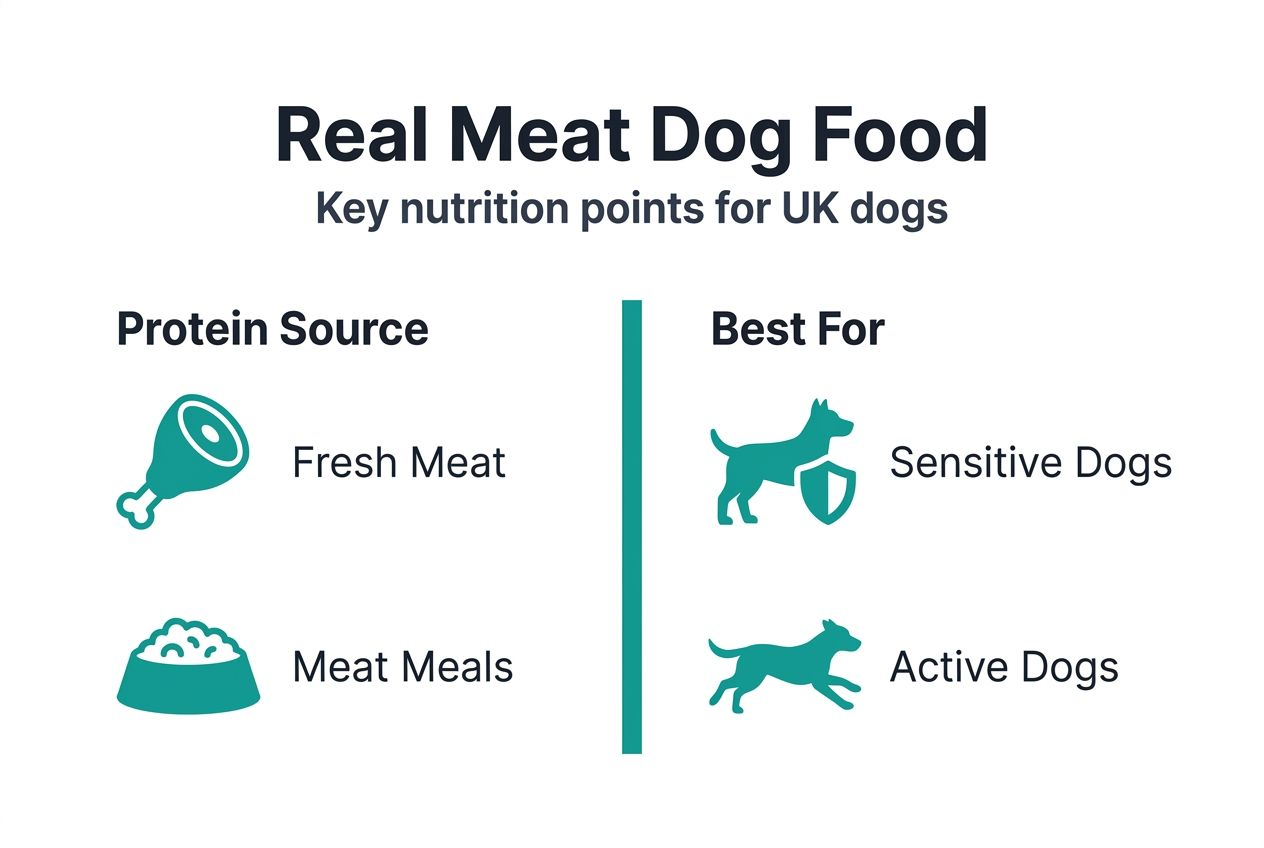
Real meat refers to fresh muscle meat from named animals like chicken, beef, lamb, or fish. This ingredient typically contains about 70% moisture and delivers 18 to 25% protein in its natural state. The balanced amino acid profile in fresh meat supports muscle development, immune function, and overall vitality in dogs.
Premium UK dog food brands favour real meat because it offers superior digestibility compared to heavily processed alternatives. Your dog’s digestive system evolved to break down whole animal proteins efficiently. Fresh meat retains natural enzymes and nutrients that processing can diminish or destroy.
The key nutritional benefits of real meat include:
- Complete essential amino acids for muscle repair and growth
- Natural vitamins like B12 and minerals including iron and zinc
- Higher bioavailability meaning your dog absorbs nutrients more effectively
- Better palatability encouraging consistent eating habits
- Lower processing means fewer altered proteins that may trigger sensitivities
Understanding what defines quality meal ingredients helps you compare label claims. Real meat stands at the top of ingredient hierarchies in premium formulations precisely because it delivers nutrition in the form closest to what dogs would consume naturally.
Understanding UK regulations on meat and animal by-products
UK Animal By-Products Regulations (ABPR) establish strict safety standards for all meat ingredients used in pet food. These regulations categorise animal by-products into three risk levels, with only the safest materials permitted in dog food manufacturing.
Category 3 materials represent the lowest risk tier and include parts of slaughtered animals fit for human consumption but not used in human food chains. Muscle meat, organs, and bones from healthy animals inspected by veterinarians fall into this safe category. UK pet food manufacturers face rigorous inspections to verify compliance.
The regulatory framework provides these protections:
- Mandatory veterinary approval of all animal source materials
- Traceability requirements tracking meat from farm to finished product
- Regular facility inspections ensuring hygiene and processing standards
- Exclusion of high-risk materials like brain tissue or spinal cords
- Testing protocols detecting contaminants or unsafe pathogens
This oversight means both fresh meat and properly processed meat meals used in UK dog food meet stringent safety benchmarks. The regulations eliminate unsafe materials whilst allowing nutritious animal proteins and organs that benefit canine health. UK dog owners can trust that approved ingredients undergo thorough vetting before reaching their pets’ bowls.
Comparing real meat, meat meals and animal derivatives
Each meat ingredient type offers distinct nutritional profiles shaped by processing methods. Meat meals contain approximately 65%+ protein in dry matter because rendering removes moisture and concentrates nutrients. Fresh meat provides balanced nutrition but contains significantly more water, resulting in lower protein percentages by weight.
Animal derivatives encompass organs, tissues, and other parts beyond muscle meat. These ingredients supply valuable nutrients like vitamin A from liver or glucosamine from cartilage. Quality varies based on specific parts used and processing standards.
| Ingredient type | Moisture content | Protein concentration | Processing level | Digestibility |
|---|---|---|---|---|
| Real meat | 65-75% | 18-25% as fed | Minimal | High (85-95%) |
| Meat meals | 8-10% | 65-75% dry basis | Extensive rendering | Moderate (70-85%) |
| Animal derivatives | Variable | 15-60% depending on parts | Variable | Variable (60-90%) |
The rendering process for meat meals involves cooking tissues at high temperatures to remove fat and water. This concentration increases protein density but can alter amino acid structures through heat exposure. Some dogs digest fresh meat proteins more easily than rendered alternatives.
Pro Tip: When comparing foods, convert protein percentages to dry matter basis by dividing protein content by total dry matter (100 minus moisture percentage) for accurate comparisons between wet and dry foods.
Key considerations when evaluating these ingredients:
- Named sources (chicken meal vs generic poultry meal) indicate quality control
- First ingredient position matters less than total meat content across all ingredients
- Digestibility coefficients affect actual nutrient absorption regardless of listed percentages
- Fresh meat shrinks during cooking, reducing its contribution to final dry kibble
Understanding these differences helps you interpret what makes real meat advantageous for your dog’s specific needs, particularly when managing sensitivities or allergies.
Health benefits of real meat for sensitive and allergic dogs
Dogs with food sensitivities show marked improvements when switched to high-quality meat diets containing 60-70% real meat. The digestive system processes minimally altered proteins more efficiently, reducing inflammatory responses that manifest as skin issues, digestive upset, or chronic ear infections.
Real meat supports canine health through multiple mechanisms:
- Enhanced digestibility reduces undigested proteins that can trigger immune reactions
- Complete amino acid profiles support gut lining repair and immune function
- Natural omega-3 fatty acids in fish and grass-fed meats reduce inflammation
- Absence of heavily processed proteins lowers allergenic potential
- Better nutrient absorption improves energy levels and coat quality
Veterinary nutritionists observe that dogs consuming real meat-based diets exhibit shinier coats, improved skin condition, and more consistent energy throughout the day. The concentrated nutrition in fresh meat provides building blocks for cellular repair without the digestive strain of plant-based protein isolates or heavily rendered meals.
Dogs with chronic skin conditions often respond within 4 to 8 weeks when transitioned to real meat diets, as reduced allergen exposure allows the immune system to reset and inflammation to subside.
Pro Tip: Introduce new real meat foods gradually over 7 to 10 days, mixing increasing amounts with current food to allow your dog’s digestive enzymes to adjust without causing temporary upset.
The benefits extend beyond allergy management. Active dogs maintain lean muscle mass more effectively on real meat-based nutrition, whilst senior dogs benefit from easily digestible proteins that don’t tax ageing digestive systems. Sensitive dogs particularly thrive when fed single-protein sources of real meat, allowing owners to identify and eliminate specific triggers.

Common misconceptions about meat ingredients in dog food
Many UK dog owners believe meat meals automatically represent inferior nutrition compared to fresh meat. Well-processed meat meals provide concentrated protein and can form part of balanced diets when properly sourced. The quality depends on manufacturing standards rather than the ingredient category itself.
Another widespread myth suggests animal derivatives pose safety risks. UK regulations strictly govern these ingredients, permitting only approved materials from inspected facilities. Derivatives like organ meats deliver nutrients difficult to obtain from muscle meat alone, including vitamin A, iron, and specialised compounds supporting joint and liver health.
Debunking common myths:
- Myth: Fresh meat always beats meat meals nutritionally. Reality: Meat meals offer concentrated protein; quality depends on sourcing and processing standards for both.
- Myth: Animal derivatives indicate low-quality food. Reality: Regulated derivatives provide valuable nutrients; transparency about specific parts matters more than broad category rejection.
- Myth: More protein always means better nutrition. Reality: Digestibility and amino acid balance matter more than raw percentage numbers.
- Myth: Grain-free automatically equals healthier. Reality: Protein source quality impacts health more significantly than grain presence or absence.
Processing methods affect nutrition, but demonising entire ingredient categories oversimplifies complex nutritional science. A food using named chicken meal from a reputable processor may outperform one listing “fresh chicken” first but supplementing heavily with plant proteins.
Transparency separates quality brands from those hiding behind vague terms. Reputable manufacturers specify exact meat sources, processing methods, and nutritional testing results. Marketing claims about “premium” or “natural” mean little without ingredient specificity and third-party verification.
How to choose the right real meat dog food for your dog
Selecting quality real meat dog food requires critical evaluation beyond front-of-pack marketing claims. British dog owners should prioritise specific criteria when comparing products for sensitive or allergic dogs.
-
Verify named meat sources: Look for specific proteins like “British free-range chicken” or “Scottish salmon” rather than vague terms such as “meat and animal derivatives” which obscure actual ingredients.
-
Calculate total meat content: Quality foods for sensitive dogs contain minimum 60% real meat across all meat ingredients, not just the first listed item which may represent only a small percentage.
-
Check regulatory compliance: Ensure products meet UK Animal By-Products Regulations and display appropriate certification from recognised bodies verifying ingredient sourcing and safety testing.
-
Examine protein sources: Single-protein formulas help identify specific allergens; avoid foods mixing multiple meat types when managing sensitivities.
-
Assess grain and filler content: Grain-free options suit many sensitive dogs, but verify that manufacturers replace grains with nutritious vegetables rather than cheap starches.
-
Review nutritional guarantees: Compare crude protein, fat, and moisture levels; premium factors include guaranteed amino acid profiles beyond basic regulatory minimums.
The dry dog food comparison tool helps UK owners evaluate products side by side. This transparency reveals differences in meat quality, protein sources, and nutritional density that marketing materials often obscure.
Reading ingredient lists critically means understanding that items appear in descending weight order. Fresh meat weighs more than dehydrated ingredients due to moisture content, potentially inflating its apparent importance. Calculate dry matter protein to assess true nutritional contribution.
Consider your dog’s specific needs when applying these criteria. Working dogs require different protein levels than sedentary seniors. The real meat guide provides breed and life stage recommendations to refine your selection.
Nutritional impact of real meat content percentages
Protein concentration directly correlates with real meat content, though moisture levels complicate straightforward comparisons. High meat content foods with 24%+ protein from real meat sources support muscle maintenance and energy levels, particularly benefiting active and senior dogs.
Fresh meat’s 70% moisture content means a food listing “70% chicken” contains only about 21% protein when calculated on an as-fed basis. Meat meals’ low moisture yields higher protein percentages from smaller ingredient amounts. Understanding these calculations prevents misleading comparisons.
| Real meat content | Typical protein (as fed) | Protein (dry matter basis) | Best suited for |
|---|---|---|---|
| 40-50% | 18-22% | 20-25% | Sedentary adult dogs, weight management |
| 60-70% | 24-28% | 27-32% | Active adults, sensitive dogs, general maintenance |
| 75-85% | 30-35% | 34-40% | Working dogs, puppies, high-energy breeds |
Balancing protein quantity with digestibility determines actual nutritional value. A food with 30% protein from poorly digestible sources provides less usable nutrition than one with 24% highly bioavailable protein. Digestibility coefficients rarely appear on labels, making ingredient quality assessment crucial.
Key factors affecting nutritional impact:
- Processing temperature and duration alter protein structures and digestibility
- Amino acid profiles vary between meat sources; variety ensures complete nutrition
- Fat content works synergistically with protein for nutrient absorption
- Individual dogs digest proteins differently based on breed, age, and health status
Senior dogs particularly benefit from high-quality protein sources that deliver concentrated nutrition without excess calories. Their reduced activity levels require fewer total calories but maintained protein for muscle preservation.
Active dogs metabolise protein for energy and muscle repair, making both quantity and quality critical. A working collie needs significantly more protein than a sedentary companion breed, though both benefit from real meat’s superior digestibility.
Explore premium grain-free dog food options with real meat
If you’re ready to transition your sensitive dog to a real meat diet, exploring grain-free options with verified high meat content provides an excellent starting point. The benefits of grain-free formulations include reduced allergen exposure and improved digestibility for many dogs with sensitivities.
UK dog owners can access free samples of grain-free foods to test their dog’s response before committing to full bags. This risk-free approach lets you observe improvements in coat quality, energy levels, and digestive comfort over a trial period.
Comparing premium options against supermarket alternatives reveals significant nutritional differences. The detailed comparison tool demonstrates how real meat content, protein sources, and digestibility factors create measurable health outcomes. Investing in quality nutrition often reduces veterinary costs associated with diet-related health issues.
Frequently asked questions
What does ‘real meat’ mean on dog food labels?
Real meat indicates fresh muscle tissue from named animals like chicken, beef, or salmon, not rendered meals or generic by-products. It provides naturally balanced amino acids and higher moisture content than processed alternatives.
Are meat meals safe and nutritious for my dog?
Meat meals approved under UK regulations are safe concentrated protein sources containing 65%+ protein. Quality depends on named sourcing and proper rendering processes that preserve nutritional value.
How much real meat should be in dog food for sensitive dogs?
Sensitive dogs benefit from foods containing minimum 60% real meat content, which improves digestibility and reduces allergic reactions. Higher percentages support better skin and coat health in dogs with dietary sensitivities.
Can I mix real meat dog food with my current brand?
Gradually introduce real meat food over 7 to 10 days by mixing increasing amounts with current food. This transition period allows digestive enzymes to adjust without causing temporary upset.