

Hydration for Dogs – Vital for Healthier Lives

Most british dogs lose up to 70 percent of their body moisture through panting, exercise, and diet, making optimal hydration more than just a simple water bowl routine. For health-conscious dog owners balancing grain-free menus and allergy concerns, hydration plays a crucial role in every aspect of canine well-being. This guide reveals practical hydration strategies designed to help you support your dog’s comfort, vitality, and long-term health in the United Kingdom.
Table of Contents
- Hydration Needs In Dogs Explained
- Signs And Risks Of Dog Dehydration
- Best Water Sources For Canine Health
- Hydration And Grain-Free Dog Diets
- Practical Hydration Tips For Uk Dog Owners
Hydration Needs in Dogs Explained
| Point | Details |
|---|---|
| Importance of Hydration | Adequate hydration is crucial for dogs’ health, influencing nutrient transport and temperature regulation. Daily water intake should be approximately 15-30ml per 0.5kg of body weight, varying by individual factors. |
| Signs of Dehydration | Early signs include lethargy, dry gums, and reduced skin elasticity. Immediate action is needed if significant dehydration is suspected, especially in vulnerable dogs like puppies and seniors. |
| Water Source Selection | Tap water is generally safe for dogs, while filtered water can eliminate contaminants. High-quality hydration depends on the specific needs of the dog and ensuring water bowl cleanliness. |
| Custom Hydration Strategies | Monitor individual hydration needs based on age, weight, and activity level. Various strategies, including flavouring water and using pet fountains, can encourage regular drinking. |
Hydration Needs in Dogs Explained
Hydration represents a fundamental aspect of canine health that extends far beyond simply drinking water. Dogs require consistent fluid intake to support critical physiological functions, with water playing a pivotal role in maintaining their overall wellbeing. Water intake requirements vary significantly based on multiple factors including age, body weight, activity level, and dietary composition.
The body of a dog relies on proper hydration for numerous essential processes. Water facilitates critical functions such as nutrient transportation, temperature regulation, joint lubrication, and cellular maintenance. When dogs do not consume adequate fluids, they become susceptible to dehydration, which can rapidly compromise their health and potentially lead to serious medical complications. A general guideline suggests that dogs should consume approximately 15-30ml of water per 0.5kg of body weight daily, though this can fluctuate based on individual circumstances.
Different factors influence a dog’s hydration needs. Puppies, senior dogs, and canines with certain medical conditions might require more carefully monitored fluid intake. Wet dog foods can contribute additional moisture to their diet, complementing water bowl consumption. Environmental temperature, exercise intensity, and individual metabolism also play significant roles in determining precise hydration requirements. Some dogs may need increased water intake during hot weather or after intense physical activity.
The following table summarises factors influencing how much water a dog needs each day:
| Factor | Impact on Hydration | Examples of Increased Need |
|---|---|---|
| Age | Higher need for pups/seniors | Puppies, elderly, pregnant dogs |
| Activity Level | More exercise, more water | Working, sporting, very active dogs |
| Diet Type | Moisture content varies | Wet food, grain-free, dry kibble |
| Environment | Heat and humidity raise need | Warm weather, long summertime walks |
Pro tip: Place multiple water bowls in easily accessible locations around your home to encourage consistent hydration and monitor your dog’s daily water consumption.
Signs and Risks of Dog Dehydration
Dehydration represents a significant health challenge for dogs, with potentially serious consequences if left unaddressed. Dog dehydration occurs when fluid loss exceeds fluid intake, creating a critical imbalance that can rapidly compromise a dog’s physiological functions. The condition can affect dogs of all ages, but puppies and senior dogs are particularly vulnerable to its dangerous effects.
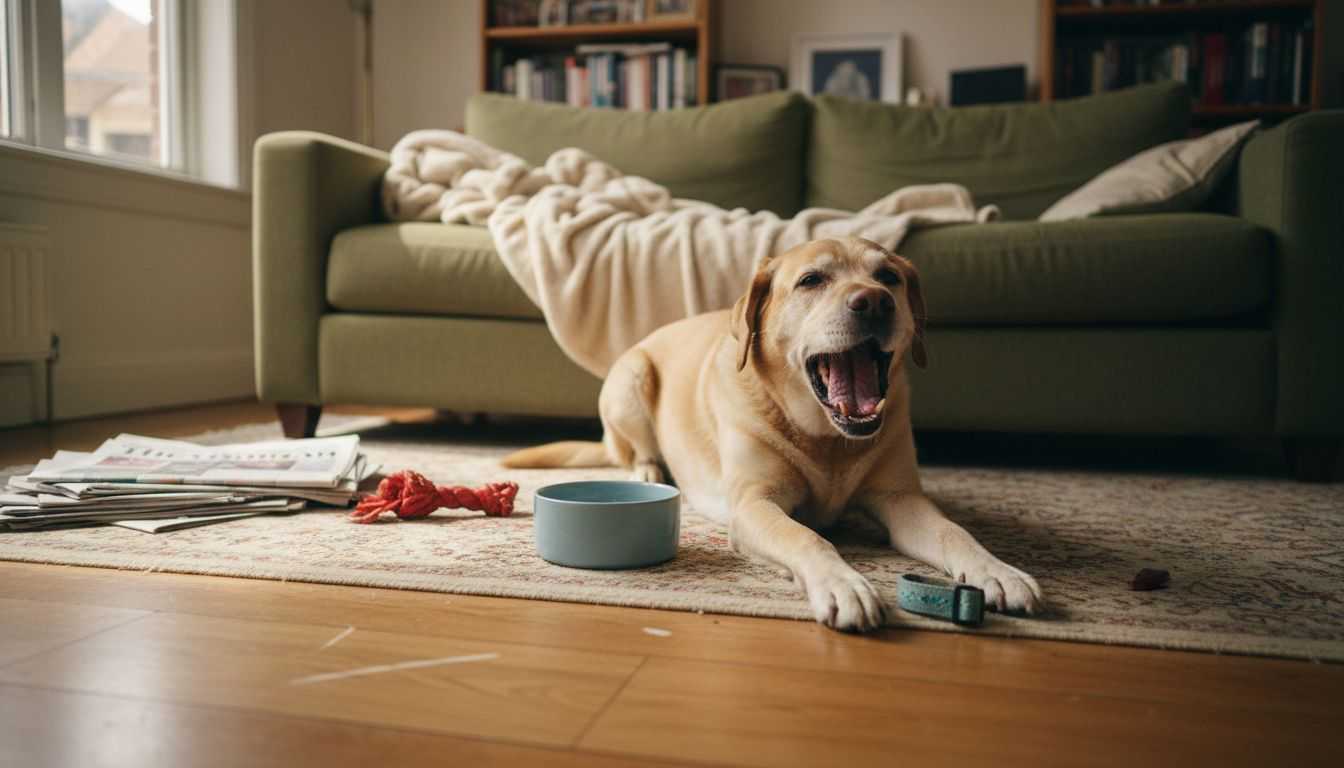
Recognising the early signs of dehydration is crucial for pet owners. Typical indicators include lethargy, dry and sticky gums, decreased skin elasticity, sunken eyes, and reduced urination. When a dog’s skin is gently pinched, it should quickly return to its original position. If the skin remains tented or returns slowly, this suggests significant dehydration. Additional warning signs might include panting, loss of appetite, weakness, and in severe cases, potential organ damage or systemic breakdown.
Multiple factors can trigger dehydration in dogs, ranging from environmental conditions to underlying health issues. Hot weather, intense exercise, insufficient water access, dietary imbalances, vomiting, diarrhoea, and certain medical conditions can all contribute to fluid loss. Dogs with pre-existing health problems, such as diabetes or kidney disease, face higher risks of rapid dehydration. Certain breeds with shorter snouts or those with higher activity levels might also require more careful hydration monitoring.
Pro tip: Keep a dedicated water bowl in multiple locations and regularly check its freshness, ensuring your dog always has easy access to clean, cool water.
Best Water Sources for Canine Health
Ensuring high-quality hydration for dogs involves understanding the various water sources available and their potential benefits and drawbacks. Water type selection is more nuanced than many pet owners realise, with multiple options presenting unique considerations for canine health. In the United Kingdom, tap water remains the most common and generally safe choice, regulated by strict quality standards and containing trace minerals that can support a dog’s nutritional needs.
Filtered water represents an increasingly popular alternative for health-conscious dog owners. This option removes potential contaminants while maintaining essential mineral content, addressing concerns about water quality without sacrificing nutritional value. Hard water, which contains higher mineral concentrations, can actually provide beneficial trace elements for dogs, whereas soft water might taste less appealing and provide fewer nutritional advantages. Bottled mineral water can be used occasionally but is not necessarily superior to properly filtered tap water.
Environmental factors and individual dog requirements should guide water source selection. Some dogs might have specific sensitivities or health conditions that influence their ideal water intake. Natural water sources like rainwater or stream water should be approached with caution, requiring thorough filtration to eliminate potential parasites or bacterial contamination. The water bowl’s cleanliness is equally critical, with regular washing preventing bacterial growth and maintaining water quality.
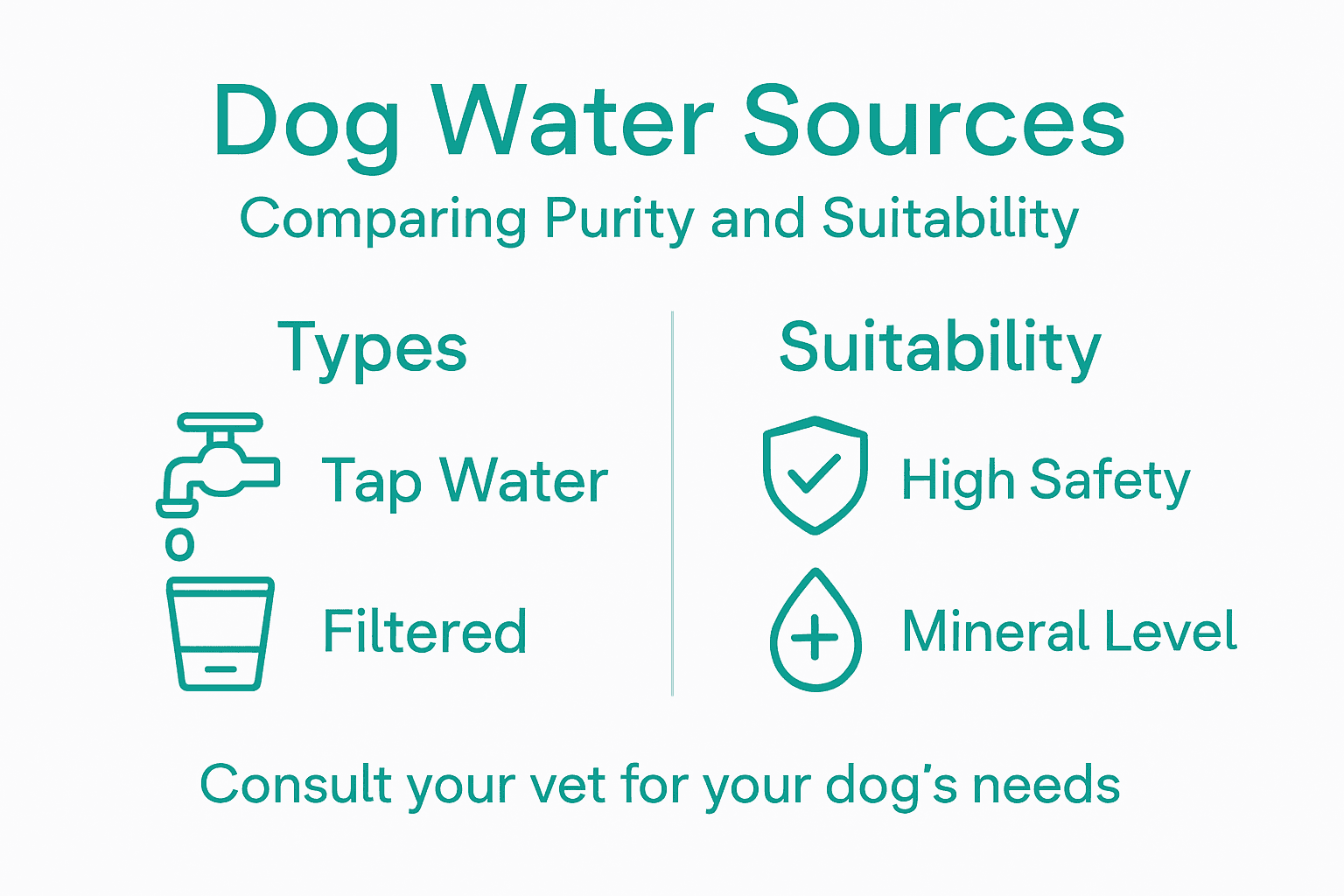
Here’s a quick comparison of common water sources for UK dogs and their unique benefits:
| Water Source | Purity & Safety | Mineral Content | Suitability for Dogs |
|---|---|---|---|
| Tap Water | Regulated, generally safe | Contains trace minerals | Suitable for most healthy dogs |
| Filtered Water | Removes contaminants | Retains necessary minerals | Good for sensitive or ageing dogs |
| Bottled Mineral | Highly purified | Rich in some minerals | Occasional use, not essential |
| Rain/Stream Water | Risk of contamination | Unpredictable | Only after thorough filtration |
Pro tip: Invest in a high-quality water filter and stainless steel water bowl, and clean the container daily to ensure your dog always has access to fresh, clean drinking water.
Hydration and Grain-Free Dog Diets
Grain-free diet considerations reveal a complex relationship between diet composition and canine hydration requirements. While many pet owners believe grain-free diets inherently improve their dog’s digestive health, the reality is more nuanced. Grain-free dog foods typically replace traditional grains with alternative carbohydrate sources like sweet potatoes, peas, and legumes, which can significantly impact a dog’s overall moisture intake and hydration strategies.
The moisture content in grain-free diets varies considerably, potentially affecting a dog’s daily fluid requirements. Alternative carbohydrate sources often have different water retention properties compared to traditional grains, which means pet owners might need to adjust their hydration approach. Some grain-free formulations can be more calorie-dense and require careful water intake monitoring, especially for dogs with specific metabolic needs or active lifestyles.
Nutritional balance remains paramount when selecting grain-free diets. Not all grain-free foods are created equal, with ingredient quality and composition playing crucial roles in supporting optimal hydration and overall health. Dogs with specific allergies or sensitivities might benefit from carefully selected grain-free options, but these should always be chosen under veterinary guidance. The key is understanding that grain-free does not automatically equate to improved nutrition or hydration, and individual dog requirements must be considered.
Pro tip: Consult with your veterinarian to develop a personalised hydration strategy that complements your dog’s specific grain-free dietary needs and individual health profile.
Practical Hydration Tips for UK Dog Owners
Hydration strategies for dogs require a multifaceted approach tailored to individual canine needs. UK dog owners should prioritise consistent and accessible water sources throughout their home, strategically placing multiple water bowls in different areas to encourage regular drinking. This simple strategy ensures dogs always have convenient access to fresh water, reducing the likelihood of dehydration.
Enrichment techniques can significantly improve water intake, particularly for dogs who are reluctant drinkers. Adding flavourful and nutritious options like homemade bone broth to water or food can make hydration more appealing. Pet water fountains with circulating water often attract dogs more effectively than static bowls, mimicking the movement of natural water sources that many dogs find instinctively interesting. During warmer months or after intense exercise, portable water bowls become essential for maintaining hydration during walks and outdoor activities.
Monitoring water consumption requires careful observation of your dog’s drinking habits and physical condition. Warning signs of potential dehydration include lethargy, dry or tacky gums, reduced skin elasticity, and changes in urination patterns. Dogs lose significant moisture through panting, especially during hot weather or after vigorous exercise, making it crucial to replenish fluids promptly. Understanding your dog’s specific hydration needs based on age, weight, activity level, and dietary composition helps create a personalised hydration strategy.
Pro tip: Create a daily hydration log to track your dog’s water intake and note any changes in drinking behaviour or physical condition.
Support Your Dog’s Hydration with Tailored Nutrition
Proper hydration is essential for your dog’s health and vitality. The article emphasises the critical link between hydration and factors such as age, diet type, and activity level. If you notice concerns like reduced water intake or dehydration symptoms it is important to address these alongside a diet that naturally supports hydration and overall wellness. Choosing the right food can complement water intake and help maintain your dog’s optimal health.
At Ultimate Pet Foods, we understand that hydration needs differ across life stages and dietary preferences. Our premium, natural, grain-free dog foods are crafted with fresh ingredients designed to support digestion and promote better moisture balance. Explore our wide collections – Ultimate Pet Foods to discover formulas tailored for all breeds and activity levels. For younger dogs with special hydration needs, try our Dry Puppy Food - Optimal Health & Nutrition that complements their developmental requirements.
Ensure your dog enjoys the benefits of both proper hydration and balanced nutrition. Visit https://ultimatepetfoods.co.uk now to find the perfect food that supports your dog’s healthier, hydrated life. Act today to take a proactive step towards enhanced wellbeing and happiness.
Frequently Asked Questions
How much water should my dog drink daily?
A general guideline suggests that dogs should consume approximately 15-30ml of water per 0.5kg of body weight daily, though this can vary based on age, activity level, and diet.
What are the signs of dehydration in dogs?
Early signs of dehydration include lethargy, dry and sticky gums, decreased skin elasticity, sunken eyes, and reduced urination. It’s important to monitor your dog’s behaviour for these signs regularly.
Does a grain-free diet affect my dog’s hydration needs?
Yes, grain-free diets can impact a dog’s overall moisture intake. Alternative carbohydrate sources may have different water retention properties, which means you may need to adjust your dog’s water consumption accordingly.
What are the best water sources for my dog?
Tap water is generally safe and suitable for most dogs, but filtered water can remove contaminants while retaining essential minerals. It’s also important to ensure the water bowl is cleaned regularly to maintain water quality.
Recommended
- Dog Food for Urinary Health: Complete Guide
- Understanding Holistic Dog Nutrition for Healthier Pets – Ultimate Pet Foods
- 7 Essential Facts About Wet vs Dry Dog Food for Owners
- Holistic Remedies for Dogs – Supporting Natural Health
- Gourde d’eau pour chien, pour la balade - ANTISLURP - My Animal Lovers


